I’m moved to add a bit more to yesterday’s post, though I’m not totally convinced this is merely an addendum to what I previously offered. No matter, this touches on an issue I have dwelt on for many years. In fact, I’ve covered such in several books (see pic below).
Last time I focused on the faith versus science dichotomy, a chasm that goes back at least to Galileo if not much earlier. Yet, that societal tension might well be overly simplistic. For one thing, faith can provide a good deal of emotional comfort as long as it is kept in perspective. That is, don’t push your beliefs on others and don’t substitute your faith for constitutional protections or sensible laws or scientific facts.
On the other hand, science also has an element of faith. We put our trust in those who have mastered the scientific method and technologies that few of us understand. Thus, when scientists announce they have measured the Higgs Boson, a critical sub particle first hypothesized mathematically a number of decades ago, the reality of this discovery remains a matter of trust for us mere mortals. We will never see it, feel it, or have any contact with this ‘thing.’ Yet, some of us share in the excitement of its discovery. After all, a collection of cooperating countries spent billions erecting the hadron collider, a miraculous piece of technology that spans two countries, just to find (among other things) some proof that this mysterious thing exists.
There is another gap beyond faith and reason that deserves mention. There is a chasm between what I call knowledge producers and knowledge consumers. This is another oversimplification that separates scholars (and scientists) who search for mostly new knowledge from those who purportedly employ that knowledge for the betterment (we hope) of society. Naturally, members on both sides of the divide create and use knowledge but apportioning these distinct roles has some face validity.
What separates knowledge producers from users are culturally embedded barriers that hinder communication. Each tribe has different aspirations, goals, language, operating styles and institutional rewards that render collaboration difficult to say the least. My colleague, Karen Bogenscneider, and I called it cultural dissonance.
I’ve written much on this topic (see above publications) so won’t belabor it here. However, during my long career in academia (though I considered myself more of a fake academic), I was most dismayed at how provincial and narrow my colleagues remained. Most remained within the confines of a scholarly prison. The peer reviewed literature was the source of all knowledge, their disciplinary peers remained the only audience worth their time, and publication in select disciplinary journals their only worthwhile products. Given a choice of curing cancer or publishing an article in a top-rated journal, most of my peers would not hesitate to choose the latter.
I would laugh when I came across university propaganda suggesting that faculty would be assessed on research, teaching, and public service. Right! In my experience, teaching only counted at the margins and only if you didn’t put too much effort into it. If you did, you were not a serious scholar. Nor did all research count, only that which found its way into accepted academic journals. And public service, forget about it. Doing good for society was always seen in the negative. Clearly, you were wasting your time tackling social issues no matter what fine language was included in University mission statements.
Aside from restating my age-old gripes about the myopic academic culture, I do have a point to make. We are way too tribal. Some tribes are obvious … the politically left and right, the wealthy versus those struggling, black and white, urban versus rural, the list could go on. Those believing in science versus mere faith/personal experience is another social divide. And within those leaning toward reason, we have the tribe of knowledge producers and consumers. Too many ways of separating us and keeping us apart. At the same time, too few visionary thinkers engaging in lateral thinking to bring us together.
In the end, we need more cultural bridgers of all kinds. We need those who can walk across the divides, who can translate the distinct languages, and who can forge new cross-cultural relationships. The future will be built on cooperation and collaboration. Those who can make that happen will be the heroes of tomorrow.
At the core of the human predicament lies the question of faith … what do we accept as truth and why? With the emergence of Artificial Intelligence (AI) and enhanced digital techniques, not even our senses can be trusted. Science itself has become so. sophisticated that we average humans must exercise trust in those who bring us the latest advancements. Thus, faith is key, even fundamental to how we formulate our world view and, more critically, our moral center.
For eons, truth lay in religious teachings, whether articulated by recognized institutions or cultural lore. One did not have to think, or at least not very hard, to understand the world. Truth merely had to be accepted and embraced even when interpreting truth was clouded in ambiguity and obscurity.
Scholars of the bygone eras attempted to decipher the meanings lying within surprisingly vague and opaque religious teachings. You would think a Supreme Being might be more specific or at least less ambiguous. But no, spiritual teachings unfortunately left much undecided, if not contradictory.
Take the Bible for example, all manner of bad behaviors including butchery, polygamy, infanticide, slavery (and much more) are both condoned and condemned depending on where you look among the thicket of God’s so-called teachings. The various authors wrote parts of the Bible over several centuries as the concept of a Supreme Being evolved. Thus, consistency proved impossible. Earlier versions of a Supreme Being seemed to possess most of our basic human attributes (envy, jealousy, possessiveness) though coupled with an enhanced capacity to shape their desired outcomes.
Confounding the extent to which we can rely upon ancient texts for modern guidance is the reality that they are, in fact, so ancient. As I recall noting elsewhere, the various parts of the Bible were originally put down in Aramaic (or other languages of the time). They subsequently were translated into Greek, later Latin, and then English and other modern languages.
Each translation often occurred in the midst of political disputes regarding whose version of truth should prevail. William Tyndale translated the Bible into English around 1526, about the time the Vatican was first being challenged. This facilitated the Protestant Reformation and helped spread English as a more uniform and national language. Over time, each successive translation introduced ever more deviations from what had been set down in the first instance.
And poor William, he was executed for heresy some 10 years later despite his contributions to the English tongue and in making religious teachings more available to the common man. The point being this … we have no idea whether what we see as God’s word bears any resemblance to what was set down in the first instance. There were too many changes over time and across the myriad of translations. In addition, the selection about which ancient writings were to be included was made by a committee … a committee for crying out loud! Not much of a divinely inspired process.
Up until the early 17th century, we relied upon revealed truth and deductive reasoning from first principles to ascertain truth and understanding. Certain premises were taken as givens, and all flowed from these immutable truths by the rules of logic. Wisdom was presumed to have reached a zenith in the Hellenic golden age. We looked back in time to the ancients for inspiration. The world was immutable … static and hierarchical.
Francis Bacon is oft credited with introducing the principles of inductive reasoning, the foundation of modern science, in the early 1600s. Apparently, he was a busy man. Some argue that he, not Shakespeare, wrote the greatest classics of English literature. In addition, he held high posts in the administration of King James the 1st.
At its core, inductive reasoning rests on empirical observation and moving from careful measurement of the real world to the formulation of testable hypotheses. Truth was no longer given but something discoverable through observation and rational consideration. Modern science was being born. Of course, Bacon wasn’t the first to stumble on such thoughts. Thinkers in Baghdad during the Islamic Golden Age (circa 600 to 1200 CE) had similar insights. But Bacon’s rediscovery had legs, as they say.
Early on, say for three centuries, science competed with religious truths for supremacy. Witness Galileo’s problems with the Vatican. As late as the 1950s, the great Jesuit thinker Pierre Teilhard de Chardin struggled with his superiors as he tried to integrate evolutionary thought with Catholic dogma. These two worlds (faith and reason) kept colliding.
Today, we believe that science has prevailed, though I question that at times when I witness the nonsense being issued by MAGA devotees. Can we really be certain that today’s Republicans once again won’t start burning academics and scientists at the stake for heresy. 🤔 Perhaps they will settle for lengthy jail sentences starting with Anthony Fauci (an eminent doctor and scientist who devoted his life fighting infectious diseases through modern medicine).
Science has created the world around us … everything from wonder-drugs to the miracles of modern communications to the technologies probing distant galaxies. Such miracles come from the techniques and discipline of the insights launched by Bacon’s revolution. Yet, there is a black hole quality to much of science today.
What do I mean by that? The gap between science (scientists) and the common man is growing. In the late 19th century, it was widely accepted that an undergraduate degree is all an educated man needed. The first graduate degrees were not created until Johns Hopkins (1870s) and Clark University (1880s) decided that additional years of study were necessary to master certain disciplines.
Today, every discipline has multiple sub-specialties. Scholars focus on tiny topics and dig deep into them. The language of science has become increasingly technical and unavailable to even well-educated persons. I have doctorate but cannot fathom the work being done in many other disciplines. Ever peruse the math through which physicists communicate with one another. It is like trying to comprehend the Bible in the original Aramaic.
The academic culture, unfortunately, reflects and supports the chasm between modern sciences and people. Scholars who try to bring their work to larger audiences are derided and marginalized. At the extreme, they are the William Tyndale’s of the modern world.
We need a better marriage between knowledge creators and knowledge producers. My UW colleague, Karen Bogenscneider, and I have written much on this topic including two volumes on Evidence Based Policymaking. Accepting science should not remain an act of faith, like religious truth. Researchers and scientists have an obligation to discover new knowledge and also bring their understandings to the wider world.
There is one significant difference between faith-asserted beliefs AND hypotheses based on rational inquiry using the scientific method. The former typically are offered as invariant, even eternal, truths. The later are couched in modest, more humble, language. Knowledge and truth are merely what we know today. All is subject to additional examination and reformulation. Today’s consensus may be tomorrow’s discarded theory.
Of course, some physical laws appear certain. If they were not, we could never have explored space nor created many of the technical wonders that amaze us. The bigger and more meaningful the question, however, the more uncertain we are about the current state of our understandings. I recently talked about Dark Matter as a fundamental, though still mysterious, aspect of the universe, perhaps even being responsible for our universe accelerating toward an ultimate entropy state of cold emptiness.
But here’s the thing. We don’t know if dark matter is real. We cannot measure it directly, only through mysterious gravitational impacts seeking some kind of explanation. Some argue that, in the end, Dark Matter will be little more than an intriguing possibility that turns out to be false.
Science is not the final explanation. Rather, it is an approach toward making progress. One way of looking at God is that it (he or she) is truth being revealed … though slowly and with considerable pain. The fun of science is in the journey, though the potential destinations admittedly are alluring, if not enticing.
A second benefit of science, or technology, is that it permits us to perceive great wonders. With our naked eye, we see so little. With our newest technologies, a magnificent canvas embracing wonderous creations opens up to us. Rembrandt, Carravagio, Botticelli, and Reubens have nothing on the forces that created the art out there. Starting with the Hubble spacecraft and advanced telescopes, we have an inkling of just how poetic and beautiful is our universe.
One ‘big mystery‘ stands out among our most basic or fundamental questions. Where is the universe headed? What might the end state look like? For me, that is like asking what does all this mean?
In the last century, we have entertained several versions of this ‘big’ question. First, we realized that the cosmos was not a static entity, fixed in time and space. It was alive with motion … expanding in fact. But we couldn’t quite figure out if the expansion was slowing or not. If it were, perhaps we were at the end of the initial cosmic expansion after our most recent big bang. All would soon (or eventually) begin to contract. Theoretically, all would return to the singularity that existed at the initiation of our last Big Bang. That, logically, would lead to the next expansion.
Recently, we have measured an increasing rate of cosmic expansion. This has led to a very different image of the end times (not to worry, a time billions of years in the future). The image presented by this latest revelation is not any more reassuring. All matter, all that we can measure out there, eventually would disperse and cool. All that complexity and magnificence out in the vastness of space would evolve into complete entropy … dark and empty void. A rather drab ending indeed.
Some astrophysicists argue for a more dramatic ending … the Big Rip. This image of the end times reminds me of the Rapture anticipated (with surprising glee) by many evangelicals. In the Biblical rapture a rather vengeful version of Christ would rip apart the non-believers (i. e., liberals like me) though why the Prince of Peace would do this is beyond my understanding. In this version of the cosmic end times, all matter would rip itself apart. The end, however, would still be that cold, empty, lifeless void
I’ve been partial to another possibility. There is that metaphorical scenario found in Hindu mythology. Brahma breathes in and out every 85 billion years or so (which leaves room for many reincarnations). Each exhale would represent a cosmic ‘big bang’ expansion while each inhale represents the resulting contraction. The new singularity would inevitably result in another expansion, thus repeating the cycle for eternity.
None of these scenarios sound promising 😒. So, I will exercise my imagination absent any empirical proof whatsoever. Imagine that the human species is a mere step in a larger evolutionary scheme. In fact, imagine that we are at the end of our run 😳. The very beginnings of the Artificial Intelligence (AI) phenomenon mark the transition to an intelligence and set of capacities we can not begin to imagine. This would be like apes looking at homo-sapiens in total wonder and admiration. Homo-sapiens would become the future apes, and sooner than you can imagine.
Think about what might be in the future as all knowledge becomes available and usable while the pace of evolution accelerates beyond what we thought feasible. In fact, don’t even try to imagine it. You can’t! It would be like European peasants struggling to survive during the dark ages attempting toimagine today’s technological world 😕. Not a chance!
Nevertheless, consider some future version of a really advanced entity capable of intergalactic communications who are able to command all knowledge in the universe. If possible, could such entities somehow shape cosmic evolution? Could the pointless ends we now envision be avoided … might some more meaningful future be consciously pursued.
I have no freaking idea. But it beats a cold, empty, lightless universe or endlessly repeated expansions and contractions. But consider this! If what we become can influence and shape cosmic outcomes, then we will have found God. Such a phenomenon would be us or, more accurately, what we become.
Is there a God? I am humble enough to admit I don’t have a clue. As suggested in the previous blog, I don’t believe there is a personal deity who is imbued with human attributes and seemingly afflicted with rather ordinary emotions and concerns. I can not accept as proof of such a personable deity the existence of ancient writings of questionable provence that are replete with mind-bending contradictions and impossible assertions. Heaven help us, excuse my use of this phrase, if the extreme religious fanatics lurking in today’s Republican Party take control and replace our Constitution with the Bible. Look at Iran or Afghanistan to see what happens when popular versions of so-called religious truths replace secular law.
Yet, we can see out there a cosmic majesty so improbable that we are left humbled and, in my case, frankly curious. How could something like this exist? Why does it exist? Where is it all going which, in truth, is a bit like asking what does it all mean?
Imagine our long ago ancestors peering up into the night sky in wonder. They could only see a tiny portion of what lay out there and see only the Cosmos as it recently existed. Now, with our human ingenuity, we peer into the immensity of space and thus deep into our past. The distant images we now detect with our telescopes in deep space represent what existed billions of years ago. That is how long it takes for light to reach us from such unfathomable distances. We are looking into our deepest history. If our ancestors were impressed with the night sky, I am blown away by what is out there and by what contemporary science reveals to us.
We all search for causes we can understand. Humans have conjured up mythical heroes, human like gods, or impressive deities like Yahwey or Allah or Brahma or he with no name. Such entities are credited with creating all we know for reasons that cannot be convincingly discerned. For virtually all of history, our creation narratives were a matter of faith since there were no other alternative explanations.
Contemporary science changes all that. Yet, it also contains an element of faith since I cannot comprehend the mathematics on which it is based nor the technologies employed to penetrate the mysteries of our universe. Still, there is a fundamental rigor and an empirical basis for how we see things through the lense of modern science. It is the best we got and rests on actual observation.
The current creation narration, based on science, goes something like this (an extremely simplistic overview). Some 13.8 billion years ago, there was a tiny speck of energy so small that neither time nor space (as we understand such things) existed. Then, for some reason, this tiny speck of unimaginable dense energy expanded at a rate inconceivable to us in what we call cosmic inflation, or the Big Bang. In this Big Bang, the universe went from literally nothing to a cosmos containing all the elemental ingredients essential to creating the universe we know today.
Suddenly, an immense field of particles and light existed. Yet, much more needed to happen before the known universe came into existence. Oddly enough, this theory was first formulated by a Catholic Priest and physicist … Georges Lemaitre about a century ago, soon to enjoy empirical support from the work of Edward Hubble. As with all radical interpretation of things, acceptance took time, and many mysteries remained.
Creating our known world we see about us took longer than six days, nor is it the product of divine choice as ordinarily understood. No, in the moments after the Big Bang this expansion of elementary materials (mostly hydrogen) there existed tiny imperfections in the cosmic expansion taking place. If those tiny fluctuations had not existed we would have a dull and uniform cosmos of evenly distributed hydrogen … no celestial bodies, no humans, no Space-Time phenomenon as we know it.
But these tiny variations in density did exist. In turn, such anomalies resulted in the emergence of local gravitational fields which, in turn, permitted the aggregation of swirling matter into clumps and, over time, increasingly more sophisticated and complex stars, planets, and various other celestial bodies.
The process took billions of years. As these bodies increased in size, they increased the gravitational fields around them. These fields in turn helped shape the architecture of the cosmos through endless and often violent collisions in space as bodies of increasing complexity were drawn to one another. Stars grew as they absorbed surrounding gases and matter. They became hotter, some of them exhausting their fusion based energy sources before exploding in galactic fireworks. In the process, the immense energy created and then thrust into the universe included all the heavier elements that had been forged in their cores. These extravagant explosions created the building blocks needed for the world we see around us today. We ourselves are stardust created by such ancient explosions.
Governing this chaotic birth and celestial development was the fundamental notion of Space-Time itself. This abstruse concept is considered by scientists as the fundamental architecture that connects everything in the known universe. From what we know, IT is responsible for the very character of the cosmos.
This mysterious entity also contravenes our usual perception of things. The two dimensions are intimately related to one another. That is why the two words (space and time) are inseparable. Moreover, the two dimensions act differently than our human apprehension permits. Space curves in the presence of solid objects. A straight line is not always the shortest difference between two points.
Time proceeds at different rates depending on the position one is in with respect to our space-time continuum. We will age faster if we lived our lives at the top of the Empire State Building than if we lived on the first floor. Gravity (the curvature of space) is stronger on the earth’s surface which, in turn, impacts time. The satellites orbiting above us off which our telephone signals bounce must continuously adjust their clocks to account for slight differences in the pace of time as measured on earth and in orbit. Without such corrections, our GPS based on those advanced orbiting systems would quickly lose their accuracy.
In some ways, this space-time phenomenon is the essential foundation for the architecture of the universe. It theoretically explains how all the stars, galaxies, solar systems, nebulae, black holes, and the other stuff came to be. From a rational perspective, this is the closest thing to a God-the-Creator we have. And yet, it remains a matter of faith for me.
When I ponder such notions, I feel like the ancients pondering the stars in the night sky. As with the excitement of each new day, I keep hoping for more understanding. But that is illusion. Such full understanding is beyond me. There remains so much we yet do not know at present. And I am too dull to appreciate most of it.
The Big Bang is not over. Our galaxies continue to rush away from one another at an accelerating pace. A mysterious entity called dark matter (which presumably constitutes 70 percent of the universe) may be responsible for this apparent fact of this increasing rate at which things are flying away from one another. Are we destined in a few billion years to see our magnificent universe die a slow death of ultimate entropy? Some believe that is to be the case.
Intriguing question … is it not! In the meantime, should we consider space-time (or this mysterious dark matter) to be the rational equivalent of God. Is this the creator we have sought so long. 🤔 Hmmm 😒!
The great thing about being a human is not that all the answers are given to us in the form of religious truths. No, our blessing is that we have an opportunity to reflect on our immense world in a rigorous manner. We can peel back our ignorance to reveal God (or reality) as it actually exists. How about that.
Admittedly, I’ve been AWOL lately. For one thing, I’m juggling three book clubs along with a long list of other literary works demanding my attention. Like a kid in a candy store, I grab more delights than I can possibly consume. Thus, my blog output has suffered. That is hardly a crisis given that so few read these repositories of personal wisdom. Still, I’m not ready to cease writing totally.
My short- term solution is to focus on random thoughts that flit through what passes for my brain. Over time, I have found such dialogues with myself fascinating. I keep thinking … Tom, you are a clever sot. However, I seriously doubt anyone else would agree.
Note Bene: Unlike my previous series exploring aspects of my sordid past life, there likely will be little to connect the next bundle of posts into coherent themes, but who knows. Some will be short, others long. Most will be inane, though a few might have merit. After all, profundity (much like profanity) is in the eye of the beholder.
A Spiritual Conundrumor two!
As you know, I was a believer in Christianity in my youth … Catholicism to be more precise. I tried hard to be a true believer, though I would argue with several of the Catholic tenets to which I was exposed in my High School religion classes even as I was being inexorably drawn into the seminary. There was always a war between rationality and a need to believe in something beyond myself.
I do not denigrate that innate need. It is fundamental to the human experience for most of us. Creation myths, for example, are universal. Assigning meaning to forces beyond our experience is fundamental. Personalizing that force is understandable. Few of us can embrace the abstractions demanded by a rational approach to things.
In my war between reason and faith, certain insights (or perhaps doubts) intruded. While anything is possible, not everything struck me as plausible. A prime example is that a personal deity cares about me and whether or not I believe in him, her, it. Not just belief but a total acceptance of rules laid out in writings set down long after the events took place (the Bible), texts selected by a committee (ever served on a Committee?) and then changed many times as the original works were retranslated from Aramaic to Greek to Latin and then English. Astonishingly, failure to follow the rules results in everlasting pain. Such a harsh and unforgiving God! Let’s look closer at this.
As the above meme suggests, why would a grand creator (or force) focus on an insignificant species on a remote planet hidden among so many galaxies … a species that has only been around for mere moments in our cosmological timepiece.
And why would this force, one that presumably created this vast galaxy some 13.8 billion years ago (if reason and science are to be embraced) care one wit about what one single member out of some 8 billion humans does on a daily basis. What benefit to such a force if these miserable creatures petition it for respite from their petty problems. And why would this force take attendance at weekly ceremonies devoted to the adoration of a concept well beyond man or woman’s understanding. It just doesn’t compute.
You would think that a force (I can’t anthroporphize this notion by saying being) would have better things to do. After all, the above meme only encompasses our galaxy, the Milky Way which, in truth, is comprized of some 50 galaxies in what is defined as our Local Group. Astoundingly, there are billions upon billions of such galaxies, as many as two trillion by some count. And that figure only applies to the known universe which keeps getting larger as our technologies permit us to look further into time and space.
Now, if we assume that our Miky Way is an average galaxy, astronomers estimate that there are 200 trillion billion stars out there. Given other estimates of the number of earth sized planets seen in other solar systems, there may be 40 billion earths out there (likely a low guess). Of course, we would like to think we are unique, God’s chosen species if you will. But really, the odds are we are not alone, even if we are the product of mere evolution (which requires an immense number of fortuitous events to take place) and not divine intervention. Only arrogance and unsupportable hubris would lead us to conclude that we are the only conscious species in the cosmos.
Even decades ago, when the known universe was much smaller, these facts about the cosmos in which we exist served to humble me. I am not arrogant enough to discard all possibilities that a force or phenomenon beyond ordinary human comprehension may explain our amazing world. At the same time, the simple creation myths provided by several religious traditions and the very notion of a personal deity looking over my miserable existence seem wholly implausible. I cannot fathom a deity that would create such a vast and magnificent universe only to care about one struggling species on one planet stuck in the backwater of a single galaxy. Really?
Such conundrums demand additional noodling. You can be assured that I will return to this question.
I’ve been missing from blog duty for about a week. Wow, in the beginning, I was writing a blog daily. Where did I find the time to do that? I do suppose it helps when you don’t have a real life.
No matter, I am back. Once again, I had hinted that I was past reflecting on my early years only to disappoint everyone with yet more memories on things of absolutely no interest to others. 🙃 Perhaps those who assert that I’m self-absorbed are spot-on. Still, I cannot finally move on before touching on my ill-considered effort to achieve sainthood.
Above, I am shaking hands with Father Beck, a Catholic priest who essentially recruited young men for the Maryknoll missionary society, an order dedicated to (in turn) recruiting souls living in foreign lands to the Catholic church. That may seem to be an unlikely path for a future left-wingish Rebel. However, that’s not at all the case. Idealists are idealists. Sometimes, it merely takes some time to figure out what you are being idealistic about.
As you know, I grew up in an ordinary ethnic, Catholic, working class family. I don’t recall either of my parents ever attending mass or displaying any form of formal belief structure. However, they did pack me off to Catechism class so that I might be indoctrinated into the one, true, and universal church (or so we were told by those instructing us).
The more I think on it, they must have dragged me to church in my younger years, though I have no recollection of that. I do recall loving the serenity found in empty churches (before they were filled with noisy people). I was attracted to the smell of incense, to the candles flickering at the sides where devotees made offerings to special causes, and to the mystery of the Mass. Back then, the celebration was in Latin and some of the sermons were in the language of the dominant ethnic group for that church … Polish or Lithuanian.
I cannot say I was drawn to the church in any particular way as a kid. All my friends were Catholic. It was merely part of the background noise of my life. I resisted going to one of the Catholic elementary schools I’m the early days. There were a slew of them back then, a holdover from the times when the Church maintained separate institutional systems (schools and hospitals) to avoid mingling with Protestants whom we knew were going to Hell. All the Catholic elementary schools were taught by nuns who had a hellish reputation.
High school was different. I wanted to go to Saint John’s Prep … the best religious school in central Massachusetts taught by the Xaverian brothers. This was the place to go for kids from my tribe. There, I would be indoctrinated into the basics of the faith along with a rigorous curriculum that prepared us all for college. It was a no-nonsense place where discipline was rigorously enforced and academic excellence prized. Hell, the teaching brothers had no life other than beating some knowledge (and good behaviors) into us. The beatings occasionally were literal.
As I have written earlier, I developed a keen sense of purpose during these years. I became increasingly sensitive to the injustices around me, especially regarding civil rights and matters of equality of opportunity. It seemed built into my DNA. I won’t dwell on that awakening since I’ve discussed it elsewhere. Suffice it to say that I started looking about for a place to satisfy my growing attachment to a purposeful life.
Enter thoughts of the Priesthood. I cannot recall when this became real for me. I do recall attending daily Mass in my senior year of high school. Yet, there were doubts even then. I would sit in religion class arguing (only in my own head) against some of the Catholic teachings in which we were being indoctrinated. But I pushed those doubts aside. That proved to be an error, as I would discover soon enough.
So, in the Spring of 1962, I visited the Major Maryknoll Seminary in Ossining New York … a lovely site overlooking the Hudson River as I recall. That hooked me. In late August of 1962, I got on a bus and headed for Glen Ellyn Illinois (outside of Chicago) to the order’s minor or college level seminary.
Here I am (on the right) with my freshmen roomatesĺ. My God, was I ever that innocent? I suppose a seminary is a bit like a military academy. Each day is highly structured. You go from a wake up alarm at 5:30 or so through religious services, classes, mandated work assignments, physical training, more indoctrination, and then more studies. There were long periods of enforced silence and few opportunities to leave the campus.
In many ways I liked it. My fellow seminarians were nice. I did well in my studies. There were places on campus where I could walk and think about things. It was all encompassing and became comfortable. The thought that it would take 8 years to become a missionary priest was a bit daunting but so be it.
We were not saints. We broke the silence rules, played tricks on one another, and worked out our frustrations in vigorous athletic competitions. I can yet recall pitching an entire basball game for the first time in many a year. I could barely move the next day.
There were some special moments. I can recall the Easter celebration in the circular chapel. We all filed into a darkened chamber at midnight. Each of us had a candle, each of which was lit one after another. In the glow we repeated the phrase ‘he is risen’ again and again. Goosebumps return at the memory.
In the pic above, I am with my second year roomates. By this time, doubts I could not ignore were creeping in. The internal arguments I suppressed in high school religion class kept returning and with greater force. Yes, I wanted to do good. Yes, I wanted to find purpose in life. Yes, I was searching for meaning. But no, when I looked deep inside, I did not believe in a God deeply enough to support a vocation. I was way too rational.
You can recall the rest. I realized one day that I had been fooling myself. It was time to face reality. I left, returned home, enrolled at a secular college, and shed any remaining religious beliefs. Rather than resolving my search for purpose through the salvation of souls, I would find alternative ways of finding meaning in life. That search started with trying to stop an ill conceived war (in my estimation) and continued in a life working on critical social issues.
And that really is the bottom line. My Seminary experience was never a failure. It was merely a temporary detour in the search for what I was meant to do. In the end, it was a good thing. You seldom make real mistakes. Rather, you stumble upon learning opportunities all the time, but only if you recognize them as such. Just make sure you see them as gifts … not errors.
One more recollection from my past … at least until another thought pops into my head. I may even give you a short break after this one. We will see.
I should say something about my professional career, or what passed for a career in my case. On paper, I ended up as a Senior Scientist at the University of Wisconsin-Madison and the Associate Director of the Institute for Research in Poverty … a nationally recognized research entity that focused on social policy questions.
Nominally, that sounds impressive. If you were an academic type into issues of domestic policy, this definitely was the place to be. There was one slight problem. I was not, by disposition, a scholar. True, I had many related skills … I raised tons of money for research; my students generally loved me; I wrote beautifully; I was excellent in the logistics of complex research projects; I was in demand as a speaker; and I consulted at all levels of government on a variety of public issues. Though rather disorganized, I was creative enough to be considered a talented administrator. I even had the respect of my Institute and academic colleagues (outside of Social Work that is), including the hard ass economists. Finally, I was on the speed dial of reporters across the country and very well known within the national domestic policy community.
So, what’s the problem you ask. Well, I believe there were two problems for me. First, I detested writing for the disciplinary focused, peer reviewed journals. They struck me as highly stylized, overly narrow in substance, and targeted only on a small audience of peers. Unfortunately, that is the only expectation for academic based scholars. Though they talk about research, teaching, and public service, only the first counted in my day. You put effort into the other two only at night and when no one was looking.
Second, I had the attention span of a hyperactive gnat. Good scholars drilled down to explore the minutia of sub-issues. I gravitated toward cross-cutting questions of relevance to the real world. I was a round peg in the square hole. Worse, I could never focus for long on an topic. There always was something new to capture my attention. My first title for my professional memoir was Browsing Through My Candy Store because that was what my career felt like … I was surrounded by enticing problems to explore and kept moving on to the next glamorous challenge that grabbed my attention.
Nevertheless, I did love academia. I enjoyed the freedom to explore whatever I wanted. I reveled in not having a nominal boss. I loved being surrounded by really smart people and constantly being exposed to new ideas and thinking. I was drawn to the intellectual challenges and, because I was associated with a top-notch research entity, people assumed I was some kind of an expert, smart even. I loved being in a professional environment where I got to fly around the country to work on complex and challenging issues with some of the brightest folk around. Better yet, they paid me to do this. It was heaven.
I particularly loved the people, some of them at least. The above pic was taken at the wedding of Robert Haveman’s (seated with bow tie) stepdaughter in New York. On the right is the late Irv Piliavin. He was a delightful character who first recruited me to the university from Wisconsin State service. He needed someone who knew state government to run a large research project for him. I next worked closely with Bob Haveman on a legislative mandated welfare reform study. We put together an innovative reform plan that led to several innovations in the state’s social safety net. Soon, I quickly moved on to working with Irv Garfinkle (next to me) on child support issues which, in turn, quickly led to a fascination with creating integrated or one-stop work-welfare systems (where I worked with economist Michael Wiseman (visiting from Cal-Berkely) and Political Scientist Lawrence Mead (visiting from NYU). The internationally famous Kenosha model was the result. These were just a few topics in the beginning days.
It was not all work. There were times for friendships and frivolity. The three men (and spouses) above were close colleagues. It was taken at a theme party my spouse (blue dress) and I threw at our house. The man of the left was a visiting Federal official who was very helpful to me when I spent a year in D.C. working on Clinton’s welfare bill. Next to him is Karl Scholz, then a junior economist at UW. He went on to become Provost at UW and currently is President of the University of Oregon. The man on the right is Gary Sandefur, a Native American Sociologist who later became Dean of L&S at UW before heading back to his native Oklahoma to assume the position of Provost at Oklahoma State University. These were not only treasured colleagues but friends as well.
Above is Jennifer Noyes. I must admit that my choice of professional colleagues shifted to the feminine side over time. I found women to be organized and focused while I was … NOT. When I first met her, she was working as an advisor for Governor Tommy Thompson, the ambitious Wisconsin Governor who ran for U.S. President and became Secretary of HHS in Washington. She also headed his nationally renowned welfare replacement program known as W-2. Tommy disliked me and the Institute, but I found that I could work with Jennifer. We repaired IRP’S fractured relationship with the State. In time, I strongly encouraged her to move to the University where we collaborated for a number of years on developing Peer Assistance Models for states attempting to reform their welfare programs and with others pursuing integrated models for their human service systems. She now works directly with the UW Chancellor.
Below is another female colleague … Karen Bogenschneider (left) and her graduate student (a Harvard Grad) at the time. Karen and I wrote two books on evidence – based policymaking along with several articles. I also helped her develop what were called Family Impact Seminars, a successful method for bringing research to state legislators in Wisconsin and across the country. She was the epitome of organization and focus.
There were so many others, on the Wisconsin campus, at other universities around the country, or located in government, think tanks, advocacy groups, and foundations. I knew more people in Washington than many who actually worked there. I worked with local and state officials across the U.S. as well as Canada. Almost all were dedicated, committed, and very hard working. They taught me so much.
I will only mention three people who impacted my professional life in a large way. Bob Lampman (a UW economist) was considered the godfather of the War On Poverty launched by President Johnson in the 1960s. He was a giant in poverty studies and one of the nicest individuals I ever met in academia, or anywhere.
Sheldon Danziger was an economist by training but situated in the School of Social Work (he went on to Michigan and then to Russel Sage in New York). I mention Sheldon because I never would have gotten my doctorate without him. As usual, I was too busy or distracted to finish my dissertation despite receiving rave feedback on my prelim exam responses (when they were real exams) and having tons of data from projects on which I had been working. When Sheldon was IRP director, he pulled me aside one day with a plan. He suggested throwing together several papers I had written and calling it a dissertation. It must have set a record for length (2 volumes and some 600 to 700 pages), but the scheme worked. It was a variation of the ‘baffle them with length and bullshit’ approach. They were desperate to get rid of me.
Finally, I must mention Barbara ‘Bobbie’ Wolfe, an economist and public health scholar. She was director of IRP when I first served as Associate Director and then Acting Director (in her absence). We guided the Institute during a period when its funding was under serious threat. There were lots of sleepless nights in that era. She and I made a good team. She was the serious academic while I was the schmoozer who worked in the public arena and kept the Institute’s brand visible.
Others come to mind. The couple above is my spouse with Luke Geohegan. He was a Harkness Fellow from England whom I mentored during his six month stay at UW. We remained close, visiting each other over the years. He went on to become warden of Toynbee Hall (a famous British landmark known in policy circles) and is now the head of research for the Britain-wide organization of Social Workers. They play a key role in advancing social policies.
The elderly gentleman was Jack Westman. He was a child psychiatrist attached to the Medical School at UW. He drew me into an organization called Wisconsin Cares as Vice President. This was a group of retired movers and shakers from state government and the university. We kept busy working on public issues affecting children and families in retirement.
One of my final projects at UW was to run (with Bob Haveman) what was called the Poverty 101 workshop. We brought in academics from around the country who taught poverty related courses. Over a week, we exposed them to intensive seminars given by IRP affiliates. My plenary talk at two of these courses (The Rise and Fall of Poverty as a Policy Issue) was considered a classic.
One thing is certain. We all fade from the scene but not entirely. The above pic is taken from an interview I did discussing evidence based policy making. Just this past week, I realized that it is still used in training sessions for those who run Family Impact Seminars around the country. I wonder if anyone listens.
I also hope that some of my papers yet resurface from time to time. My paper (Child Poverty: Progress or Paralysis) was a sensation when it came out in 1993. Another paper on welfare motivated migration was read into the Congressional record. Several papers on service integration written by Jennifer Noyes and I created a stir in the policy community. For years, we would get calls from policy makers praising our unique take on the topic as well as invites to consult. A lead article to a major IRP publication around the year 2000 was seen as a seminal summary of the welfare revolution that was beginning to wind down by then. That is what I enjoyed, bridging the gap between research and practice to take a fresh look at what is going on and writing about it for broad audiences.
It wasn’t all fun and games. I grew to hate the constant traveling. And the workload was brutal at times. I can yet recall semesters where I had a full-time teaching load, served as Associate Director of IRP, was the principal investigator on several projects, organized a number of conferences, and gave numerous talks around the country. I would organize a talk on the plane out to whichever city in which I was scheduled to talk and plan my next lecture on the return flight. I would wake up each morning at 4:30 or so in a panic, feeling way behind. That’s only because I was.
Yet, I only had one regret in all this. Apparently, the university administrators at UW wanted me on the faculty (I was a senior scientist at this time even though I performed all the roles of a faculty member). They first set me up with something called the Department of Governmental Affairs. I barely learned where they were located. That arrangement collapsed while I spent a year in DC during Clinton’s tenure.
When I returned, they had set me up for a tenure track half-time position as a clinical professor in Social Work. I was way too passive in these matters. I would say ‘whatever’ but not change my work style one bit, other than to add faculty meetings and mandated faculty assignments to my already overwhelming schedule. How stupid of me. I initially thought my national reputation would make this a slam dunk. By the third or fourth faculty meeting, I was disabused of that notion. While individual academics can be whip smart, in a pack they can be remarkably hide bound and culturally rigid. But we have always done it this way. I knew they would be paralyzed by my situation since I never played by the rules.
My greatest (and only regret) was not ending this doomed experiment immediately. Thus, my passivity resulted in me losing a lot of money (which bothered me little) and, more importantly, stretched my limited time and energy way too far. At the time, though, I knew I would retire (at least partially) before my half- time tenure clock expired. So, I let this uncomfortable experiment continue on, much to my ultimate regret. I was way too nice.
Nevertheless, it was a blessing to spend a life in Madison Wisconsin at this gorgeous campus on the shores of Lake Mendota. I had the opportunity to engage in every major issue impacting poverty and welfare policies during my tenure as a fake academic, way more than I can mention here. And this was the era in which these topics were front burner issues. Back then, welfare reform was known as the Mideast of domestic policy. I fully enjoyed being a player on the national scene.
As I always say, being an academic, even a fake one, beats working for a living even if it consumes your life. It remained an exciting joy. I often said that I probably would have continued working even if they stopped paying me. I’m not sure how many people can honestly say that.
There are a few attributes, one might say gifts, that I inherited from my Irish heritage, or so I believe. I’ve been touched with a bit of the blarney even though I have seen, but never actually kissed, the Blarney stone. That inherited story-telling ability helped me through school, in my professional life, as a university teacher, and in many social situations where any substantive skills on my part were decidedly lacking.
I credit my father, a 100 percent Irishman, for this fortunate and useful blessing. As I have often said, if you cannot dazzle them with brilliance, baffle them with bullshit. That seldom fails. I was blessed with an abundance of BS.
However, there is another side of my Celtic heritage. It is far less glamorous, deadly in fact, even though it often is romanticized. That would be a fondness for the spirits typically found in the local pub. The lure of booze to the sons of Eire is a well-known weakness among my tribe. It is known as the Celtic curse, an affliction from which many of us have suffered. In the extreme, it has killed some of us.
Booze was ever present in my home and culture. I grew up in an environment where the consumption of alcohol was ubiquitous and continuous, or so it seemed. It was the lubricant that eased all problems, deflected disappointments, and offered solace in the face of unmet aspirations. It was the go-to cure-all for those whose lives did not match expectations.
I recall the day I turned 21. My dad took me to the pub he frequented after-work and bought me my first legal drinks. I was determined to keep up with him, but it was a struggle. After all, he had several decades of experience on me. I was so relieved when he said it was time to go. I rose and aimed for the exit, hoping I wouldn’t hit the floor in a drunken heap. That would have been so embarrassing. I made it, and he seemed proud of me. In retrospect, not a good omen.
I recall my mother most mornings. She would be on the phone, drinking her first beer, and smoking a cigarette. It never even struck me as odd that one would start drinking in the morning. When they got together with friends, often to play cards, the booze flowed freely. Everyone drank … a lot. I am amazed that there were no DWI tickets or accidents. Intoxication was seen as normal in those days.
While I had a few beers in high school, it was not until well into college that I started any serious consumption of spirits. Being afflicted with serious self-doubt, a form of imposter syndrome, liquor took the edge off. It gave me the confidence I did not naturally possess. I thought a few drinks made me funnier, smarter, more sociable, and sexier. I absolutely felt I needed something to attract the opposite sex, mostly by diminishing their judgment and lowering their standards. Booze was the ultimate remedy for a wanna-be neurotic, or so it seemed.
In the early days, I prided myself (as did others) on my ability to ‘hold my liquor.’ Much later, I realized that was another early warning sign. I also began to experience occasional anxiety attacks. Alcohol, at first, seemed to relieve the distress. That proved to be the onset of a crucial causal error … booze as an anesthetic. Finally, the amount of my intake increased slowly, so incrementally that it escaped my notice for a long time. In those days, it seemed we all drank socially. You went to someone’s house and you were offered a drink. You met friends at a bar. Most never went beyond social drinking while a few of us went well beyond. Those days appear yo be past, thank god.
Of course, over time I experienced more and more warning signs. I would sneak drinks, hide the extent of my drinking, and engage in an array of denial and evasion tactics. By my late 30s, it was clear that I was sliding into full-blown alcoholism. As I approached my 40th birthday, I was on the verge of losing everything … my job, my marriage, perhaps my life (if I didn’t change course). I won’t even attempt to describe the dark days at the end other than to say I was desperate indeed. I had become a maintenance drinker.
One day, right around my 40th birthday, I read about a new program being started through a local hospital. I sat looking at my phone for a long time. I had never felt so exhausted in my life. You cannot imagine how draining it is to hide things from the world and from yourself. Eventually, I did pick up the phone and made one of the most critical calls of my life, one that (no hyperbole here) saved my life.
I remember going through a triage interview where a savvy intake worker drilled into my drinking habits and my life. I am a slippery character who can think quickly on his feet. But these guys are skilled in detecting bullshit. I knew he really wanted to put me into an intensive hospital treatment modality. But I managed to convince him that an alternative outpatient program would work just as well. Thank God it did.
I’m not going to explain the program. Perhaps I was simply ready for change and any treatment would have done the job. Nevertheless, three things still stick with me. The social workers running the program were highly skilled. That helped. In addition, the discussion in the group sessions was enlightening. I could see that what I considered my private hell was not unique to me. It was a more universal experience, an insight confirmed in later AA sessions.
The 3rd factor is more surprising. They suggested a book at one point. Being an academic, I grabbed on to that immediately. I am probably the only ‘patient’ to devour this work from cover to cover. While I cannot recall the title some 40 years later, it struck me like a thunderbolt. Here is the gist. At one point, they explained how the bodily chemistry of addicts differs from non addicts. I have no idea if this was bogus science or not. It did, however, totally convince me that alcoholism indeed was a disease rooted in our biology. An alcoholic was not someone who drinks too much but someone who can not drink at all simply because we process alcohol differently.
A second point (there are likely others now long forgotten) hit me with equal compelling force. Why are some ‘tribes’ like the Irish and Native Americans so susceptible to alcohol addiction while other ethnics who start drinking early in life tend to escape this disease (e.g. Italians)? Their explanation seemed plausible. Alcohol was first fermented (more or less) in the Eastern Mediteranian. We might assume that the proportion of the local population who were biologically disposed to addiction was a constant across groups. However, after many, many generations, those who tended to be drunks did not survive as long (for reasons we can all surmise). Thus, they were slightly less likely to pass on their faulty genes and impaired chemistry. Over a long time, the proportion of those susceptible to addiction declined.
Now, it took a long time for the technology of booze to drift north. There also were mini ice ages to slow the spread. By the time that booze reached the outposts of civilization … Ireland, Scandinavian outposts, and Natives in the America’s, there was not enough time to weed out the susceptible through evolution. Besides, other advances in civization permitted people to live longer and to pass on their poor genes. I have no idea if this passes scientific muster, and I won’t ask. All I can say is that it helped me to get and to stay sober. Good enough.
After the program, I did attend AA for a while. I liked the discussions but never could get into the spiritual side of things (that struck me as falling back into the moral failings trap) nor the 12 steps. I found other aspects of my recovery to be more essential. For one thing, I finally got the causal direction right. Alcohol did not relieve anxiety and stress. Rather, it exacerbated such bad outcomes. For another, I realized that being sober did not diminish my humor, intelligence, curiosity, or all the other attributes that I cherished. These were my traits, not something enhanced at all by booze. And finally, I discovered that a sober life was liberating. All seemed fresh and worthwhile. After many sad years, life was again worth living.
Perhaps, I am just lucky. I know that others struggle mightily to stay sober. For me, every day in the subsequent months was a freaking delight, if not a miracle. If there was any temptation to fall back, I simply remembered just how miserable I had been. As a handy reminder, I still have a couple of scars from falls I had taken during blackouts. If I had not changed course, I would likely have died many years ago.
We all have bad times in life, challenges that bring us low. The Celtic curse was mine. But I am yet here to talk about it. I am thankful for that.
I keep thinking that each recollection of times past will be my last. Then, however, another thought or image intrudes. Once again I say this will be the last one. But then it isn’t.
In my last blog, I noted two transition points in my life that, even all these years later, remain as seminal transformative moments. My Peace Corps experience is one. My college experience at Clark University is the second. Oops, I just thought of a 3rd, when I quit drinking some four decades ago. Sorry, one more personal blog may be coming.
Why the Clark experience? A lot of people attend college. Most have some fun, perhaps lose their virginity, and a few might even work hard and actually study (I was not one of those). The majority gain some knowledge (if lucky) or a credential that advances their later career aspirations and earnings potential.
All that is good. For me, though, Clark was the moment I became myself. It was way beyond any ordinary educational exercise. It was more of a fundamental metamorphosis where the caterpillar mutates into a butterfly. Now, that was a labored metaphor for sure. Still, it is very true in several important respects.
I am the doofus little kid with the big smile on the left, surrounded by extended family members. It was your average working class Catholic family (blue collar and minimally educated) with the exception of my uncle Bill at whose feet I am seated. He was the one member of that generation to go to college and have a white collar job, becoming a regional sales manager for Nabisco. Still, it was a very typical family in the post WWII era.
I grew up in the first floor flat of this three-decker on Ames St. in Worcester. The street was teeming with kids, mostly Irish (the Clancy’s and the Monohan’s etc) with a few Lithuanians thrown in. Virtually everyone had blue collar jobs, were Catholic, and voted Democratic mostly because WASPs (white, anglo-saxon Protestants) were the enemy). When you rode the bus past one of the five Catholic, ethnic churches on Vernon Hill, many on board made the sign of the cross. It was a tight-knit community where most thought and believed the same.
I went to Upsala Street grammar school, now a set of residential condos. My cousin asserts we were taught well there. I have no recollection of that, though I felt very average if not behind academically in a neighborhood of few scholars in the making. For some reason, when I graduated to Providence Street Junior High, I was placed in an advanced class. (I always thought that happened due to an administrative error.) There were only 5 boys and 20 girls in this class. Once again, I was an average student (at best) among the boys. I have no idea about the girls who remained total ciphers to me, but I assume the majority of them were superior to me. That would not have been difficult. There was absolutely no sign of intellectual promise in me.
I took religion seriously, as did several in my family. Above, I am with my female cousin who entered a convent. I worked hard on being a good Catholic, though I should have noticed the warning signs as I embraced increasing doubts about many church teachings. Her time as a nun was short as she sickened and passed away in her early 20s. Perhaps that contributed to my doubts about a just Deity.
For high-school, I took the entrance exam for St. John’s Prep, the best Catholic School in Central Mass. It was still taught by the Xaverian Brothers then. They were demanding and no nonsense. You acted out and they would whack you across the face. If you were stupid enough to tell your parents, they would whack you on the other side of your head, just to maintain a sense of balance.
I must have been educated well since almost everyone in my class went on to college. It simply was expected. But we were also regimented in the faith and in Catholic values. It is still considered an excellent school, though I no longer contribute financially to them as I did for many years. I find many so-called Catholic values (re. Gays, same sex marriage, abortion, etc.) reprehensible and divisive now.
Above, we are off to my senior prom. I’m with my one high school girl- friend (Maribeth), a good Catholic girl. That is, I had zero chance of scoring. The other guy is a classmate from Chili. His parents sent him to the U.S. since they feared a leftist coup around the time Castro came to power in Cuba. I now hate to think of what their politics might have been, but he was a good kid.
As I’ve said before, I was headed to Holy Cross College, a good Catholic School that I could see from our back porch after we moved from Ames St. But I detoured into the Maryknoll Seminary where I intended to save the dispossessed of the world as a Catholic missionary. My favorite movie then was The Keys of the Kingdom, a story of a Scottish missionary priest who spends his life in pre-Communist China. It starred Gregory Peck, and I cried every time I saw it.
But then, after leaving the seminary which was located in a Chicago suburb, I arrived at Clark University. That happened only because Holy Cross did not permit Spring admissions. It proved a stroke of unexpected luck.
That serendipitous event dramatically changed my life’s trajectory. I entered as a typical ethnic, working class, Catholic young man with many of the provincial attitudes and dispositions of that culture. Okay, that was not quite true. I already had this do-gooder streak in me and nascent rebellious thoughts, but I yet harbored many narrow beliefs embedded from the provincial world of my youth. I thought the world divided into good and bad (we were the good guys). I had been most willing to leave the seminary to enlist in the military during the Cuban Missile crisis.
Clark was founded in the 1880s as the 2nd Graduate School in the U.S. after John’s Hopkins. By the time I matriculated in the spring of 1964, it had grown into a well respected, though not a top-tier, liberal arts school. The psychology department was first-rate. Sigmund Freud came here to give his American lectures (see statue above) and the American Psychological Association was founded at Clark. Physicist Robert Goddard launched the space age by developing the first liquid fuel rocket. More recently, it was written that Clark was a school where undistinguished students came and somehow were transformed into academics who could compete at elite universities. Amazingly, that was true of me.
There was an intellectual feel to the place, or at least I found my intellectual curiosity there. The people and the environment forced you to think. I would talk to my high school friends who went to Holy Cross. They were pushed academically but in a conventional manner. They were not expected to think independently nor with creativity. As the decade of the 60s emerged and the Vietnam War heated up, most of us at Clark in those years confronted all the encrusted beliefs with which we entered college. It was an emotional crucible in which we challenged our priors and reconstructed our world views. That process could be painful, yet exciting.
Carol (see above pic) was typical of those with whom I bonded. She was Jewish, whip smart, and grew up in an environment much different than my own. We first connected in what was to be a brief encounter after class one day, probably over some course assignment. That turned into a deep dialogue that lasted for hours. Though she was technically engaged to a guy living in another state, we became very close, very close indeed. As with others in our intellectual orbit, we spent hours debating the great issues of the day as we worked to arrive at our own core beliefs and develop our personal moral compass.
One day, before the anti-war movement had really taken hold, she and I joined probably the 1st anti-war March in Worcester. We barely escaped the angry mob surrounding us (who considered the marchers to be traitorous Commies), but there was no looking back. My prior support for the war (and in America’s purity) was one of the last pieces of my old world view to dissolve, after my belief in God and other such trivial matters.
My change of heart on America’s righteousness came after a day of debate with a fellow student (David) who, like me, had an NSF undergraduate grant to do independent research over the summer. We went at it for hours that day. In the end, I realized he was right and I was wrong. Both David and Carol would go on to get doctorates from Harvard. I always thrived around smart people.
Clark was a place that pushed you intellectually. It was small so that you could get to know faculty and the grad students. In fact, some of my better friends were grad students. In addition, it was not locked into a rigid world view like most Catholic schools were. You largely were expected to question all and figure things out on your own. For the first time as a student, and as a person, I began to thrive.
I cannot say I evolved into a complete adult there. But I had started on a new trajectory. I abandoned psychology when I had to kill the rats at the end of my summer research project. But my intellectual curiosity had been sparked. I would never stop asking questions for the remainder of my life. By the time this above pic was taken, I was at the University of Wisconsin at the beginning of a long career as teacher, researcher, consultant, and (my favorite role) policy wonk. I never stopped asking questions and never ceased trying to change the world. I didn’t necessarily succeed in that, but it was one hell of a journey.
Again, you can find the longer version in A Clueless Rebel.
The other day, we in Stonefield Terrace gathered for our weekly gab fest on the great and small events in the world. The discourse eventually turned to travel and then to the Peace Corp service that a couple of us experienced in our misspent youths. That brought back many memories, and a few long dormant stories.
I’m sure that I’ve shared more than a few of the pics and stories you will find below. No problem, at our ages, repetition is not only good, it is necessary. I can barely recall my name most days. While we all have seminal experiences that shape who we become, a few really stand out. Foremost for me are my days at Clark University and my Peace Corps days in India. So, here goes with only a token effort at coherence … a quick review of my Grand Adventure.
The first pic is my yearbook shot during my final year at Clark. I don’t look much like a Rebel and left wing trouble maker, but some saw me as such. I did lead the anti-war group on campus. We called ourselves the Student Action Committee or SAC, which was the same acronym employed by the Strategic Air Command (the bombers that flew continously in case of a Commie sneak attack). The Cold War was yet real, and we young rebels who despised the global insanity about us thought we were so clever.
All that may have contributed to my decision to head to the other side of the world in the Peace Corps. Nuclear annihilation struck me as a decidedly dubious idea. A better bet was to contribute to global understanding, no matter how small that contribution. Besides, I had been on this do-gooder quest for years, my seminary days being one example, working nights in a hospital to pay for school, trying to save disadvantaged kids, etc. Graduate school was an option, but a 2 year stint in the service of others struck me as ideal in the immediate term. Higher education could wait.
Below are the college kids (and PC staff) gathered in 1966 during the first week of Peace Corps training at the University of Wisconsin- Milwaukee. I am 2nd row, 2nd from left.)
We were so naive. The training would be long and arduous. And India would prove to be far from the romanticized, idealistic paradise of our imagination. The Hindu culture was harsh and demanding. We would confront unrelenting heat, loneliness and isolation, disease, frustration, and the realization that we had been assigned a task beyond the skill sets of city college kids, no matter how smart. Only in hindsight did we realize we had signed up for one of the most difficult tours the Corps offered.
Many of these kids fell by the wayside. Some dropped out during training. Others were deselected (told to go home), sometimes for reasons obscure to the rest of us. Still others left when confronted with the harsh reality of India and two years of life in a remote desert. And a few fell ill to the diseases and dangers all around us and were medically discharged.
In the end, only about two dozen were left to gather in the Bay Area some 4 decades after completing our service (Most of the survivors are in the reunion pic below. I am back row, 2nd from right).
I must say. While we had our challenges, and yet displayed a few emotional scars all these years later, this was an extremely talented group who did some amazing things in life. I cannot decide whether the Corps picked good people or the PC experience added value to our life trajectories.
Below, I am in transit to the other side of the world. I am contemplating what is ahead of me as I gaze over the River Thames. How little we knew.
I can no longer recall how many of us made it to India, perhaps 40 or so. We were in two groups, males who were headed to Rajasthan to eventually work in agriculture (India 44-B) and mostly females who would do public health in Maharasthra (India 44-A).
The next pic looks at many of the 44-B group as we continued our training. Yes, they tried hard to turn us into farming experts, a hopeless task given that we were all city kids. But this was yet what was considered the ‘Wild West’ of the PC concept where it was believed that smart US kids could do anything. We did a lot, I suppose, but we were far from miracle workers.
The pic above shows us getting still more Ag training before the final selection of who would stay was made. I was always stunned by how few of my University colleagues several decades later could accurately identify me in this group shot above (6th from the left). Perhaps it was the abundance of thick, dark hair back then that confused them.
Before we were sent to our sites, we had some basketball games against a team of students from the University in Udaipur. (See pic below… I am front row, left.) We triumphed in a couple of games until they brought in an army team that proceeded to beat us into submission. Still, three of us were asked to join the Udaipur team competing in an All-India tournament. Alas, we were easily ousted in the first round, but it was fun.
Eventually, the survivors of our ordeal were sworn in as official volunteers. We had one final party at the famous Lake Palace situated in the middle of Lake Pichola, now a world famous luxury hotel. (See pic below) I am the tall one on the left who is chatting with two of our language instructors. Okay, I had a crush on Usha … the gal on the right.
The reality of actual service was a shock. My partner and I were assigned to the town of Salumbar, situated in the desert about 50 kilometers south of Udaipur. It was a harsh environment in an equally harsh and unyielding land. Below is our government housing (all the other government workers lived in town about a mile or two away). Randy is in the middle, surrounded by the two locals who kept us alive… Rooknot and Cutchroo. Do I have stories about those two! The local officials promised us electricity but that took about six months to arrive. Everything in India was ‘just now coming.’ ‘Now’ meant in five minutes, five days, or five months … but not to worry.
Salumbar itself was a decent size town situated in a bleak desert area. It was spotted with mostly tiny farms fed by well water drawn up by technology perfected in the 12th century or much earlier. Most of the poor farmers barely scratched out a survival and spoke Mewari, a local dialect I could never master. But the town was big enough to include some more educated folk we could work with. I never escaped the guilt of focusing on the local gentry, however. I was creating even more inequality in the local economy. We were trying to convince the locals to try new and high yield varieties of seed. However, many things could go wrong. If you screwed up the annual crop of a poor farmer with a large family, the guilt would have been unbearable.
The pic above is a street scene in Salumbar. I never got over the sense of living in Dodge City in the 1880s. I expected Wyatt Earp to show up, guns blazing. There was little question that we were immersed in a dramatically different culture. That itself was to prove a priceless experience for later life. I can yet remember when a bunch of menacing looking guys rode through town on camels while sporting rifles and much ammunition across their chests. I always wondered if they were bandits. On another occasion, a group of Jain Saints arrived to the great joy of the locals. They were into self mortification. I watched one pull all the hair out of his body. I decided to just let my remaining hair fall out naturally
A lot of the day to day experience involved battling the tedium and heat and loneliness and disease and guilt (from feeling incompetent) and cultural friction. As noted, India was known as one of the most difficult countries for volunteers. The culture was complex and mistakes were not easily forgiven. In short, we were tested on many levels, nor did we have the options for letting off steam available elsewhere.
Still, we were not completely hopeless. In order below, I show one of the farmers with whom I worked. He successfully grew a demonstration plot using the new high yield seeds we were pushing. That was followed up by a chicken coop Randy and I built on top of our housing. And that is followed up with a demonstration garden. The chicken and garden demos were an attempt to inspire others. There were other projects, but you get the idea.
I don’t know how much good we did, if any. I always joked that we went to India amidst a failure of the monsoon for several years and in the midst of a severe drought. In fact, things were so bad that India had been importing grain. When we left, the crops were good, and they were exporting grains again. While I took credit, the turning point more likely was the return of the monsoons. Still, numbers don’t lie 😀.
I was pessimistic about the area when I left. What would happen to these small farmers with so many kids. 🤔 They could not divide these tiny plots any further. I feared social conflict was right around the corner.
Above, however, is a wider shot of the government offices in Salumbar and the surrounding area (our estate was on the far right). Nothing but parched desert with little apparent hope of development. The pic below is that same area from a recent Google earth shot. The area has been transformed, with many green working farms just beyond this pic. There are hospitals and higher educational institutions now available. Disaster didn’t happen, further development did. Oddly enough, I often would dream about my site, and it had always blossomed into an American type suburb. That turned out to be somewhat true… thank goodness.
Our one consensus group conclusion is that we volunteers benefited most from our experiences. We were tested and became stronger for the challenges we faced. We became more culturally aware. We learned how to show initiative, to adapt when challenged, to appreciate differences, to see realities beyond our own blinders. These are lessons that can not be learned in any classroom. They had to be experienced.
More than all that, we bonded with our fellow volunteers. Intense shared experiences breed a closeness and a common understanding. In the pic below, I am with Haywood (on the left) and Bill (on the right). Haywood came from a very poor sharecropper family and (after post PC graduate school) went on to become a national labor union leader in DC. Bill (a scholarship student at Yale from a large Catholic family) went on to earn a graduate business degree from The Wharton School and Ph.D in economics from NYU. In his career he did international banking in Paris but eventually became a top analyst for the Federal Reserve. He found the lack of ethics in banking disturbing and returned to working for the public good, or at least trying to.
The India 44-A&B volunteers have gotten together several times since 2009. These were the ONLY reunions I have ever attended. We were a band of brothers and sisters. Below is Bill (on the right) with his good friend Mike (also a member of India 44 B). It is Mike’s 75th birthday, and we are embarking on a boat trip with his family up the Hudson to celebrate. I am proud to know these great people.
I could only scratch the surface of this adventure. You really should read the book. Hilarious, sometimes sad, and very insightful.
I sometimes think that all young people should experience a seminal life experience while they are still young. Clark helped me formulate my world view while India tested me as an adult. I am not sure what and who I would have become without this personal trial. It proved unforgettable, that is certain.
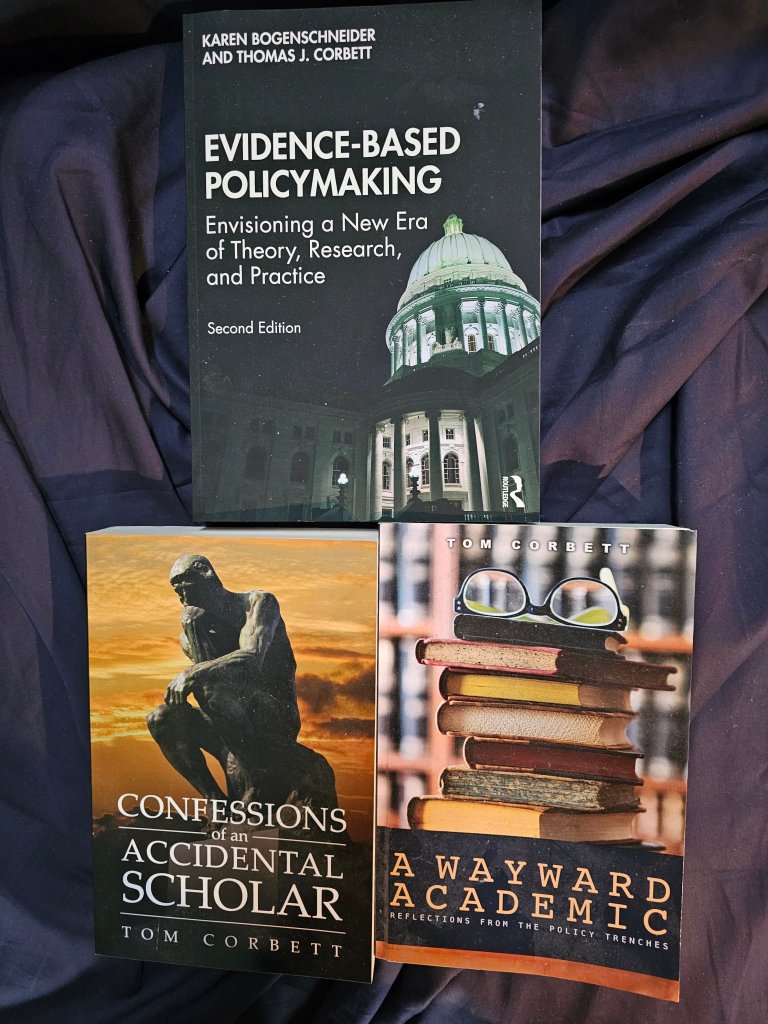




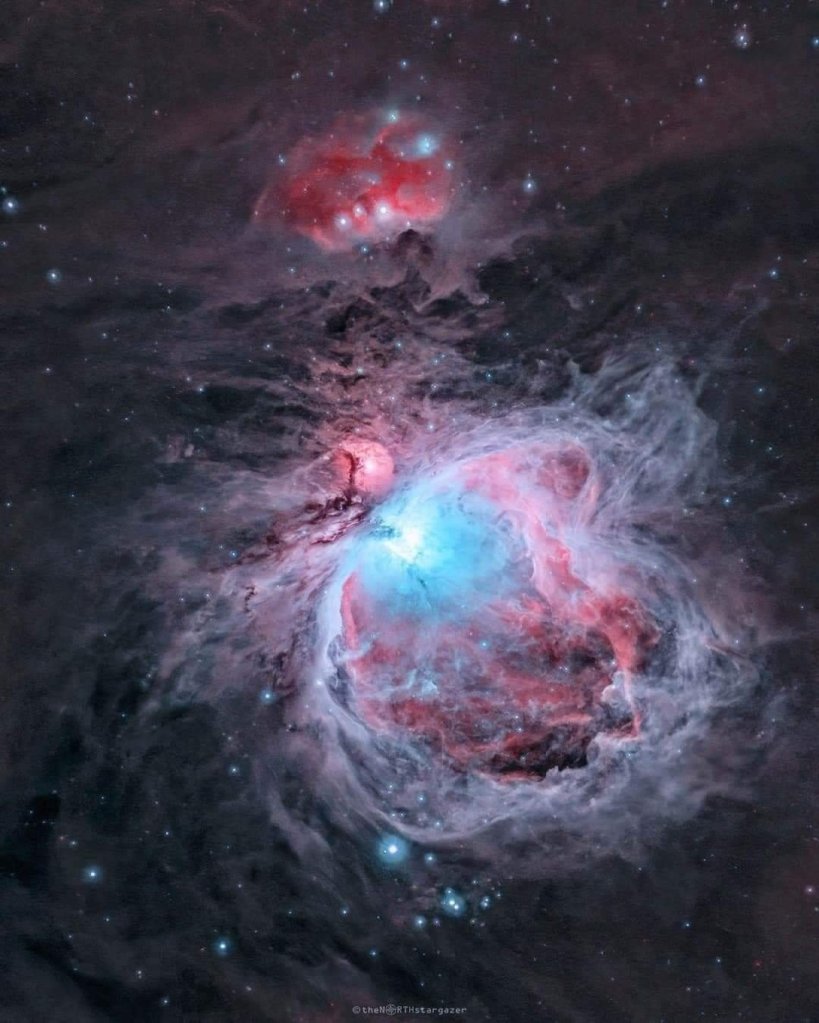
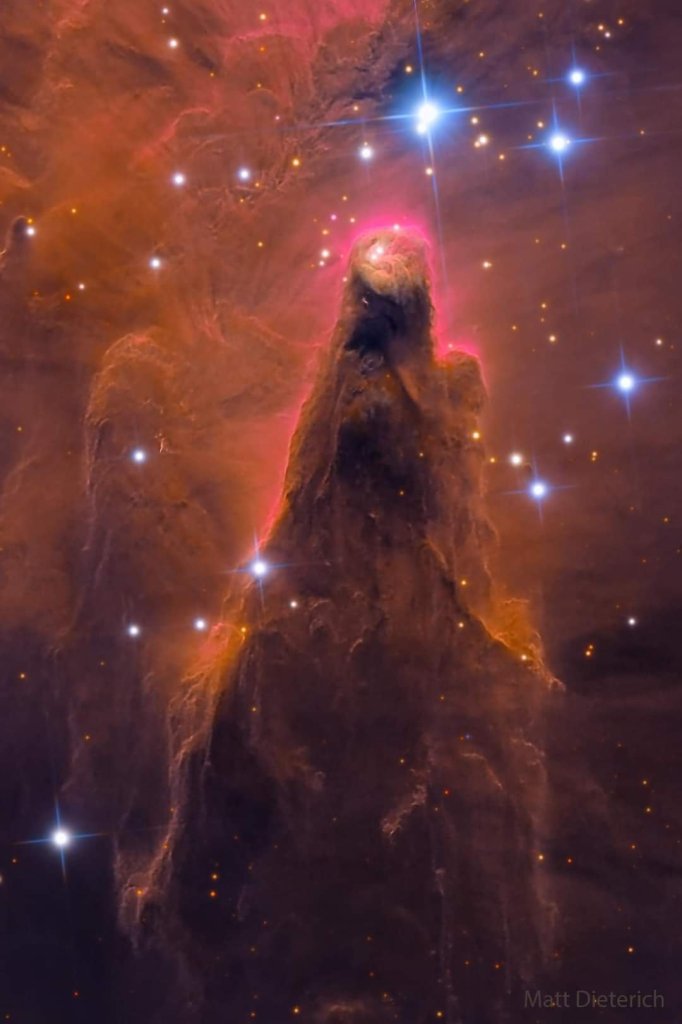



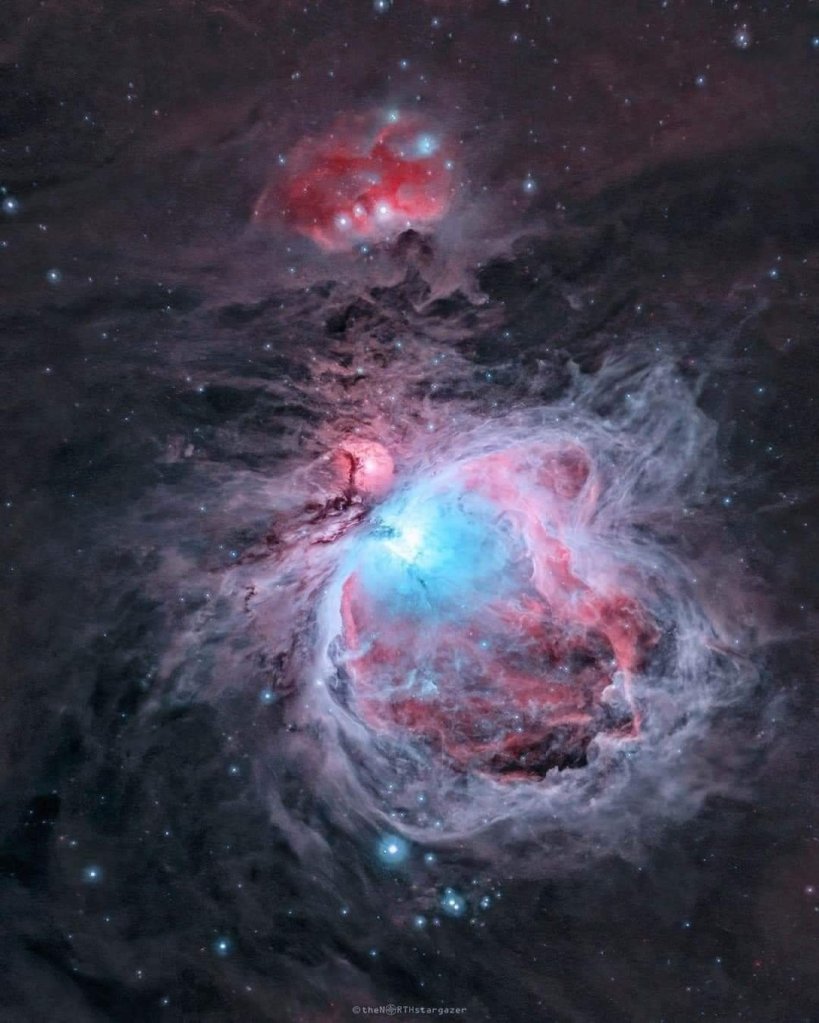

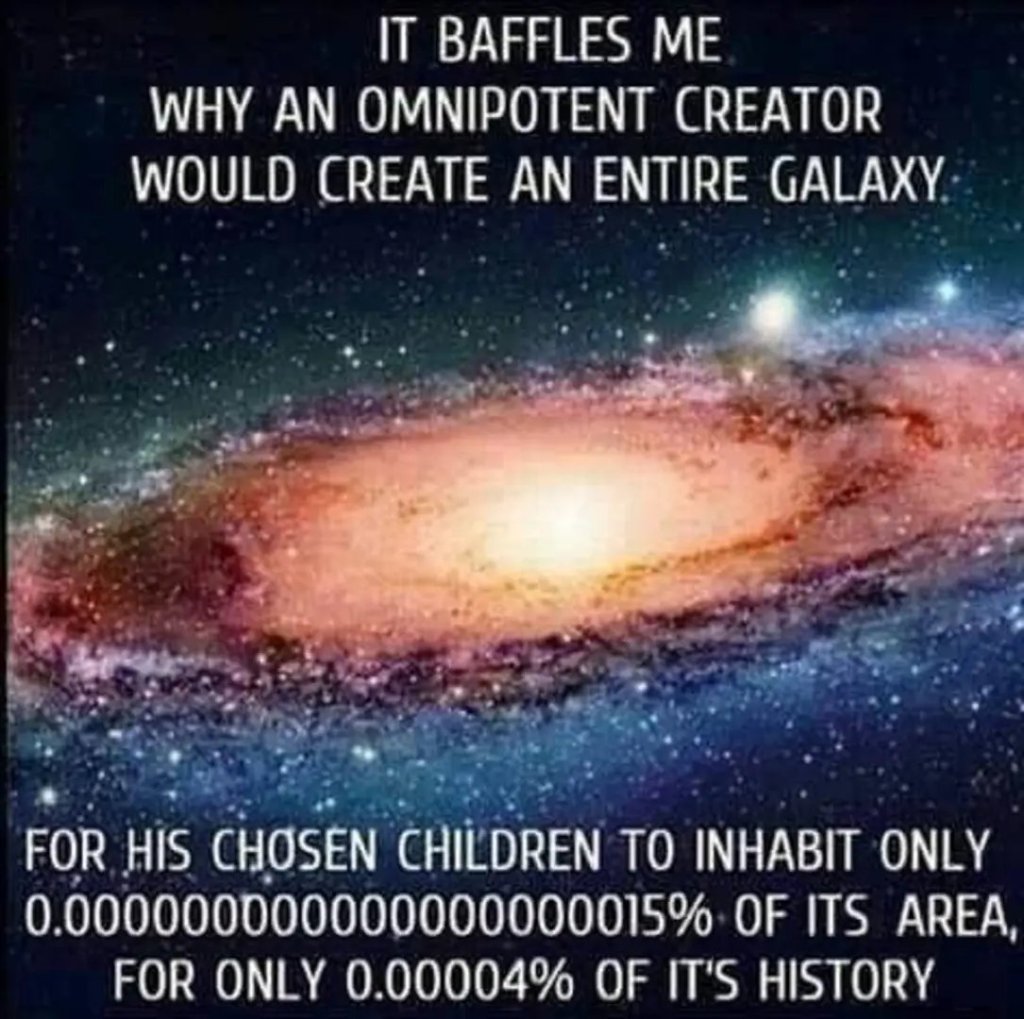
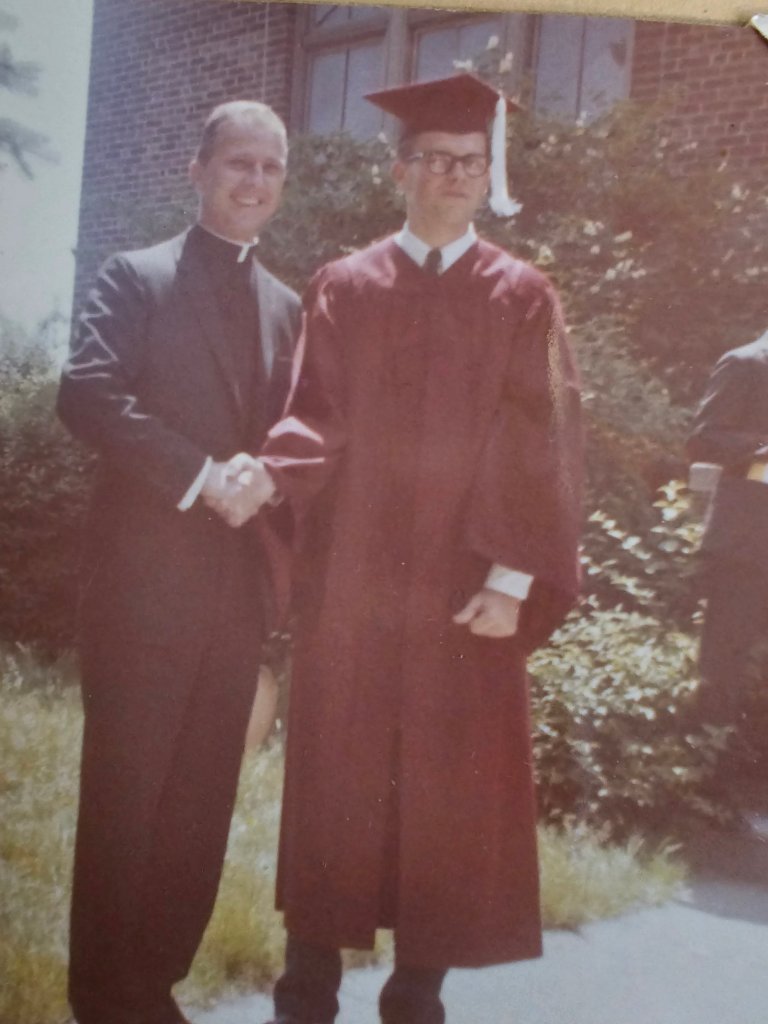
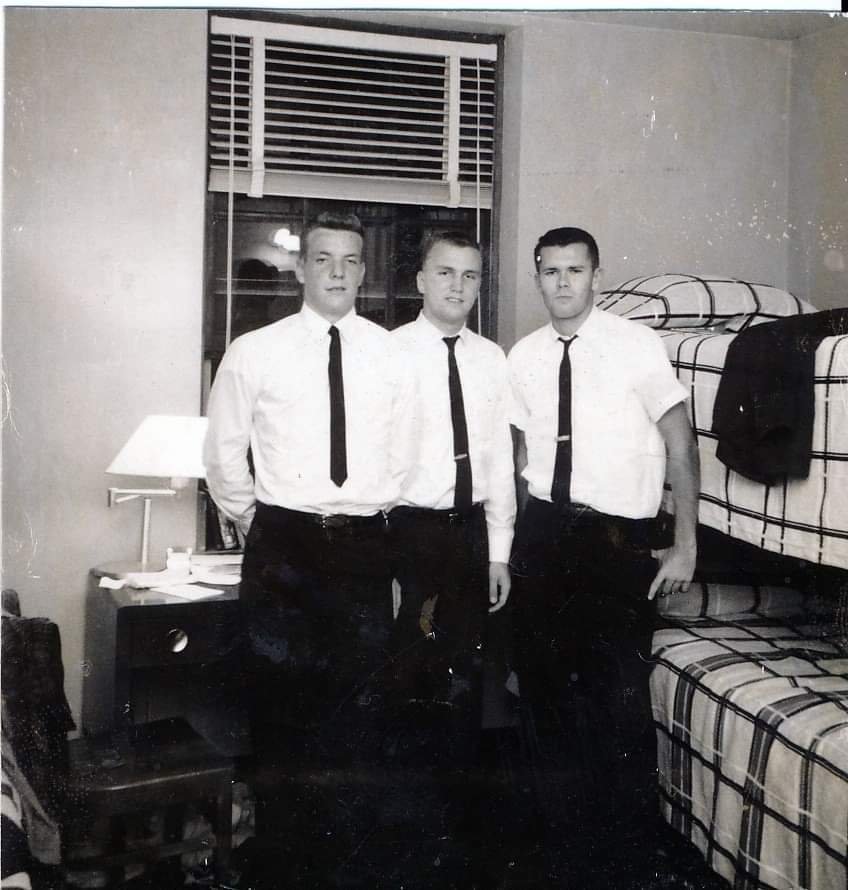


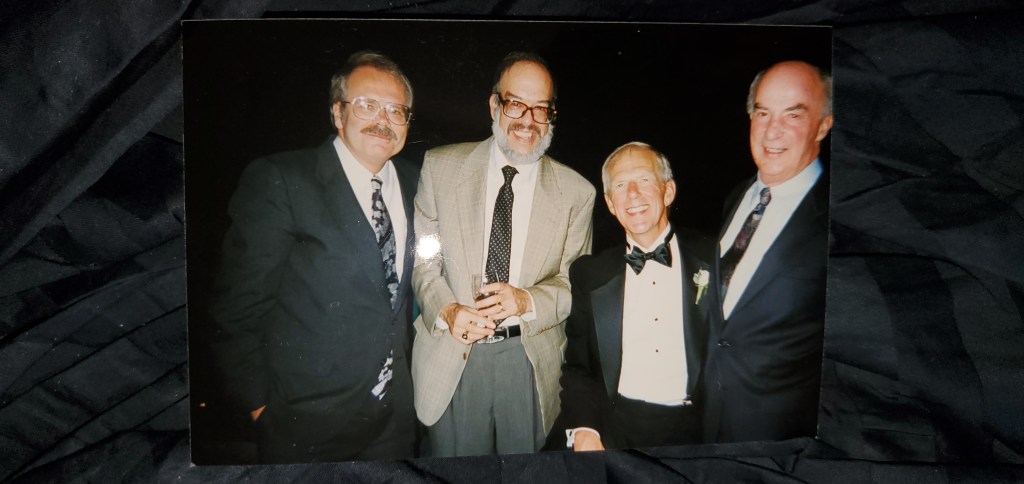
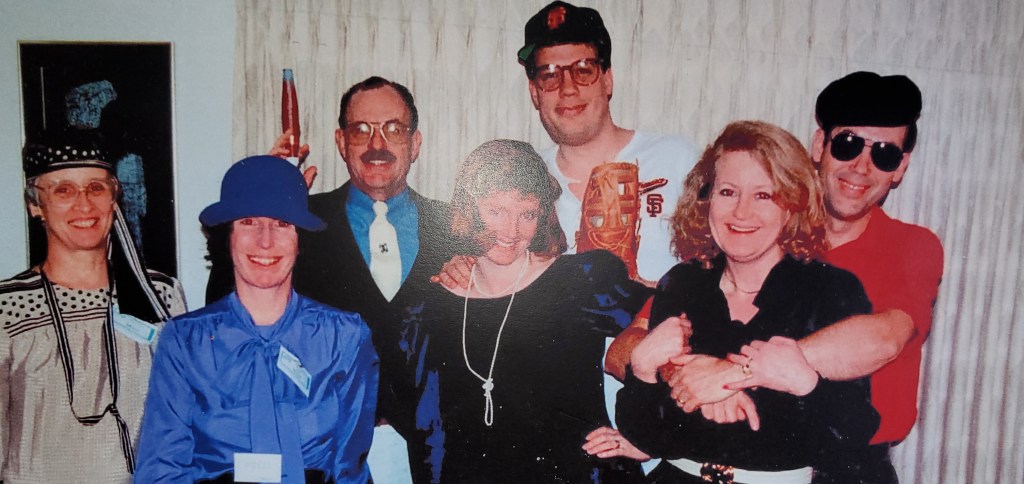


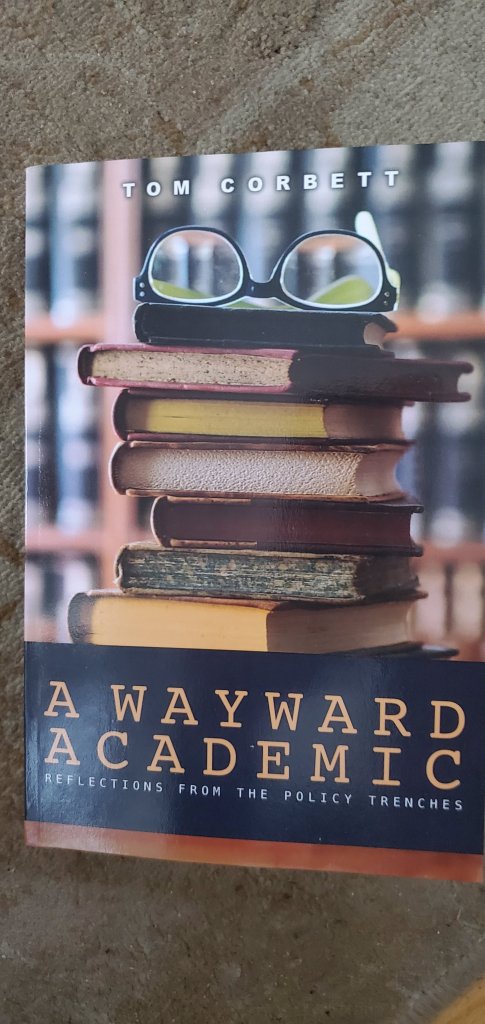

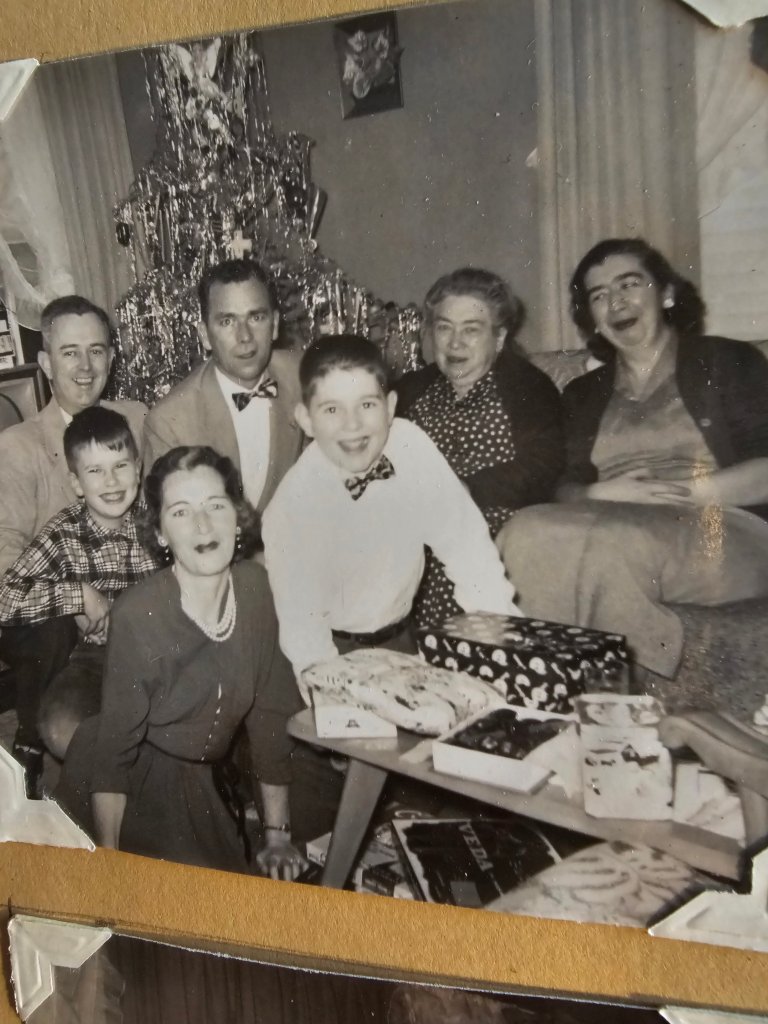

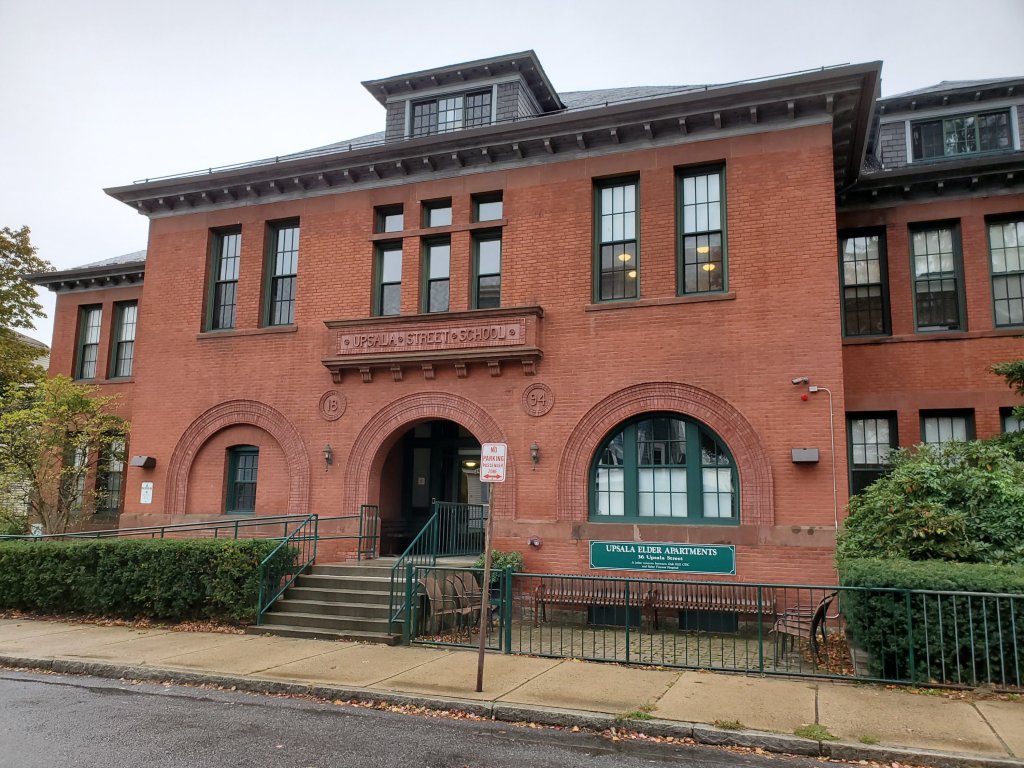
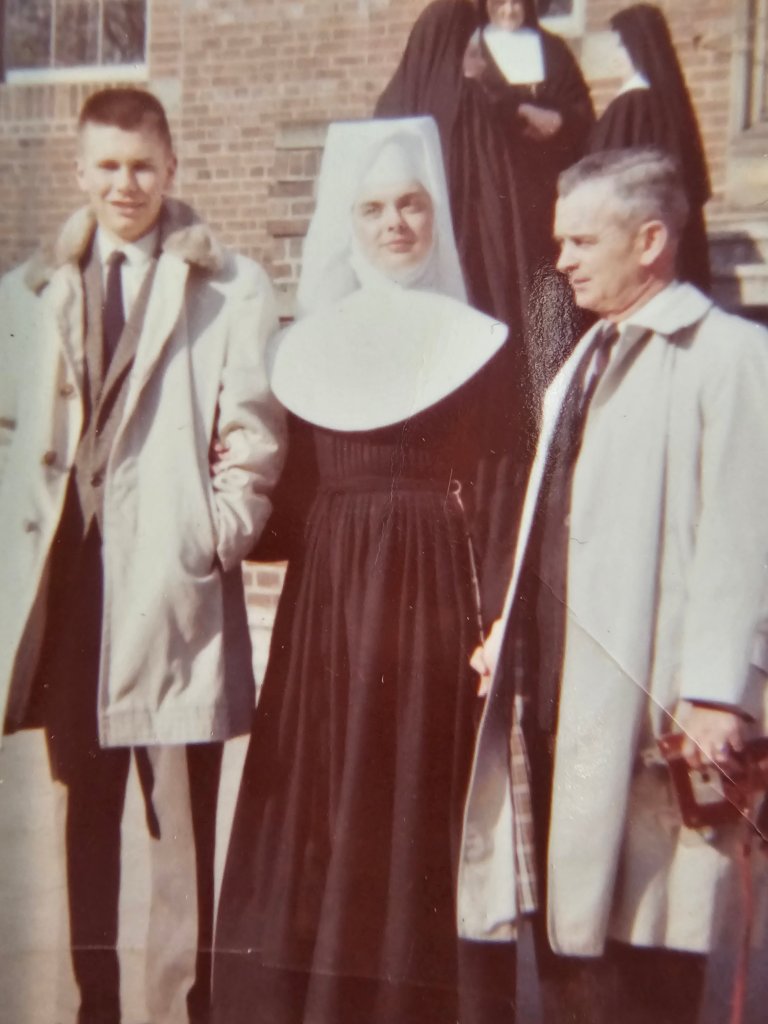

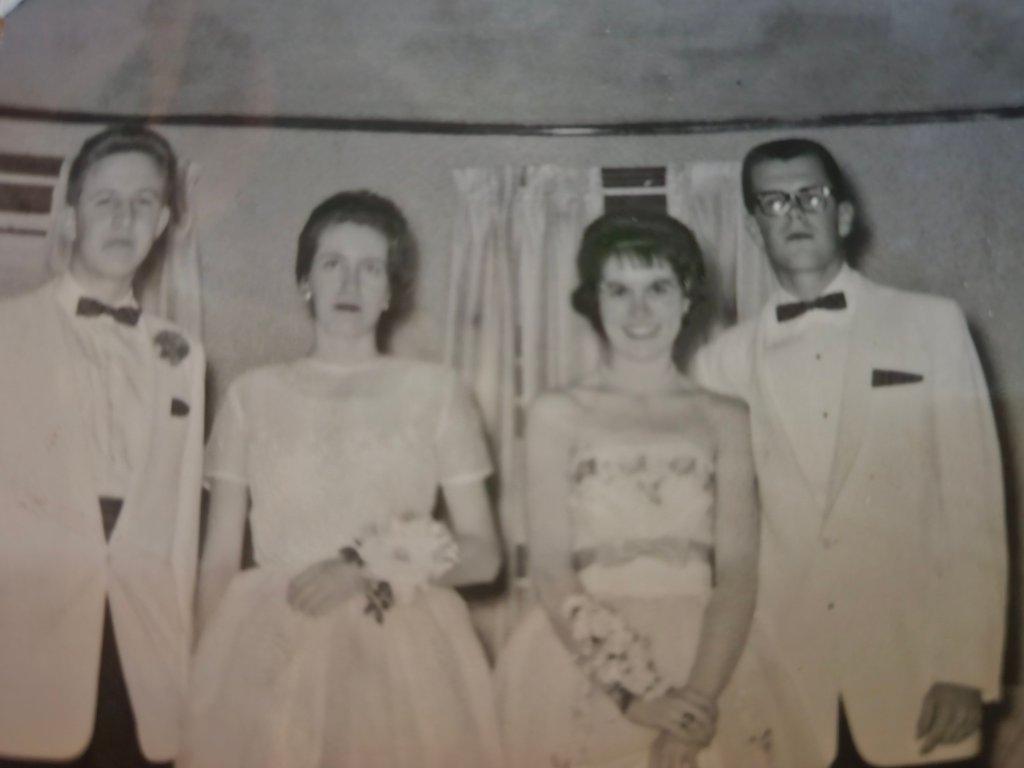
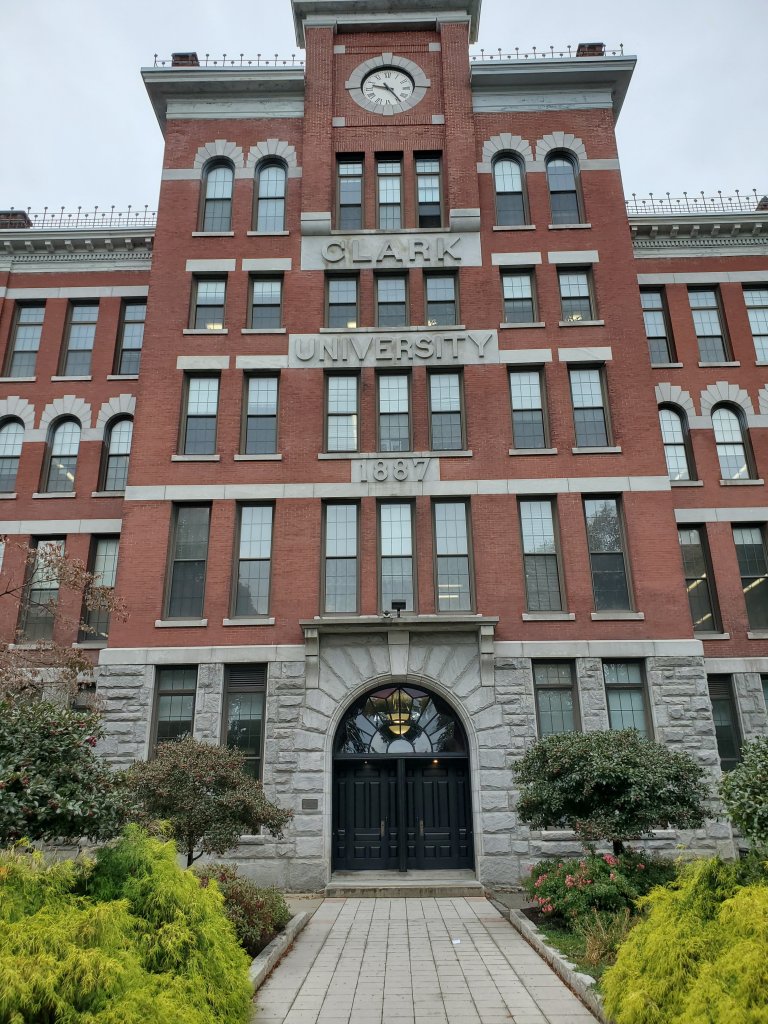

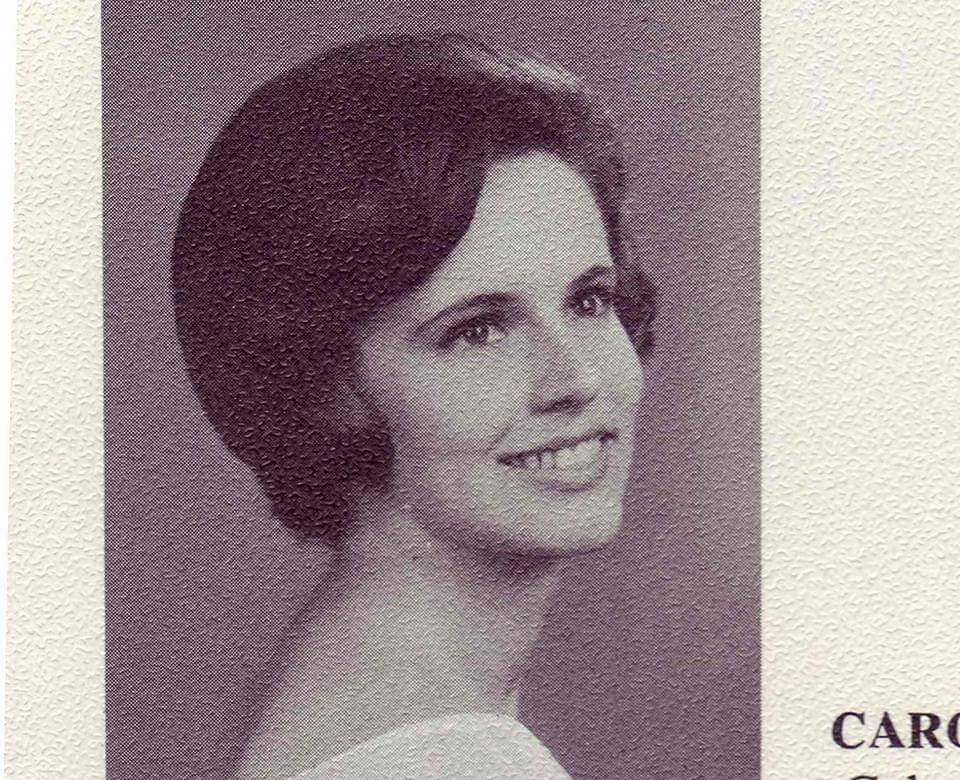

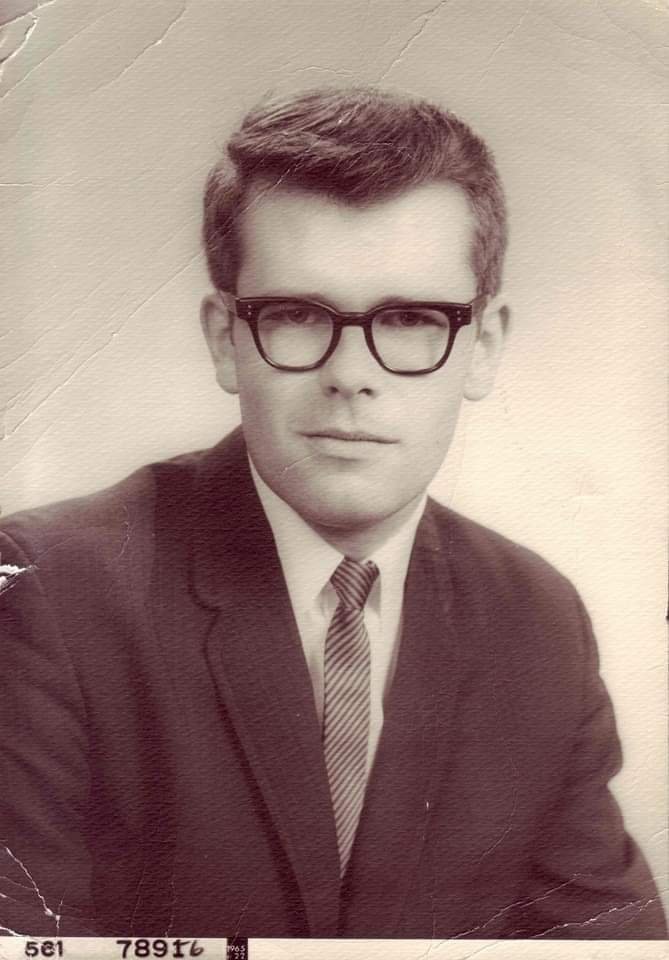
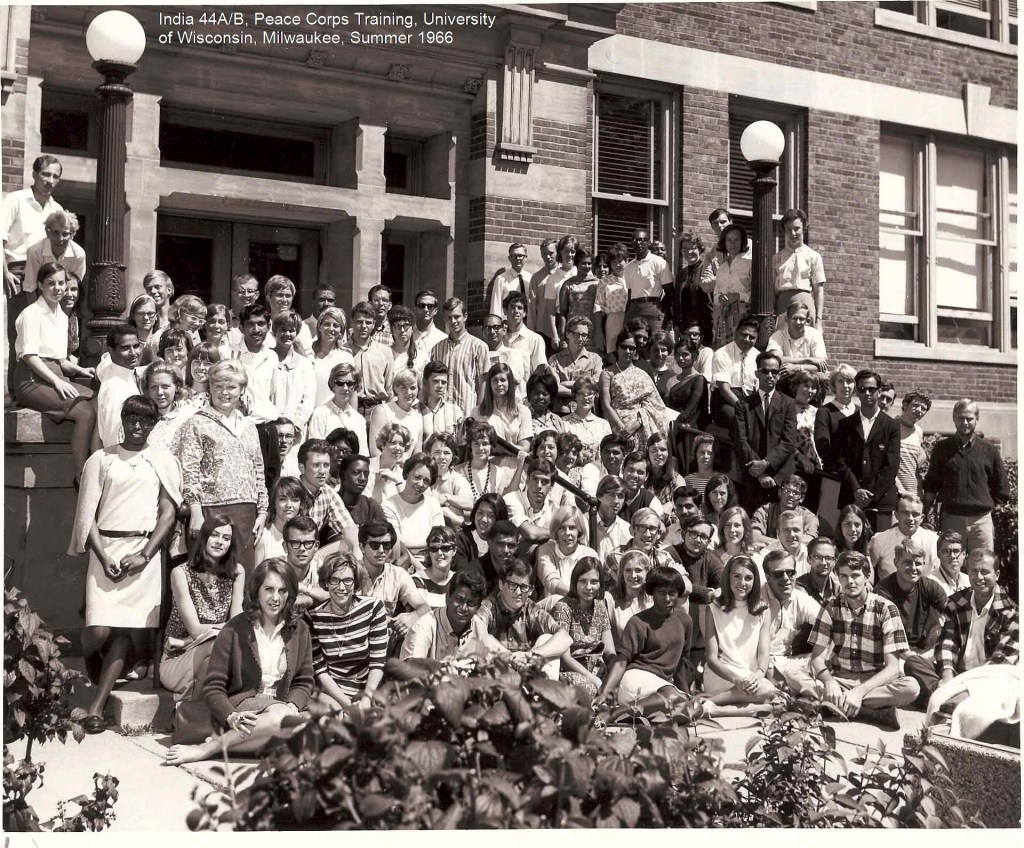

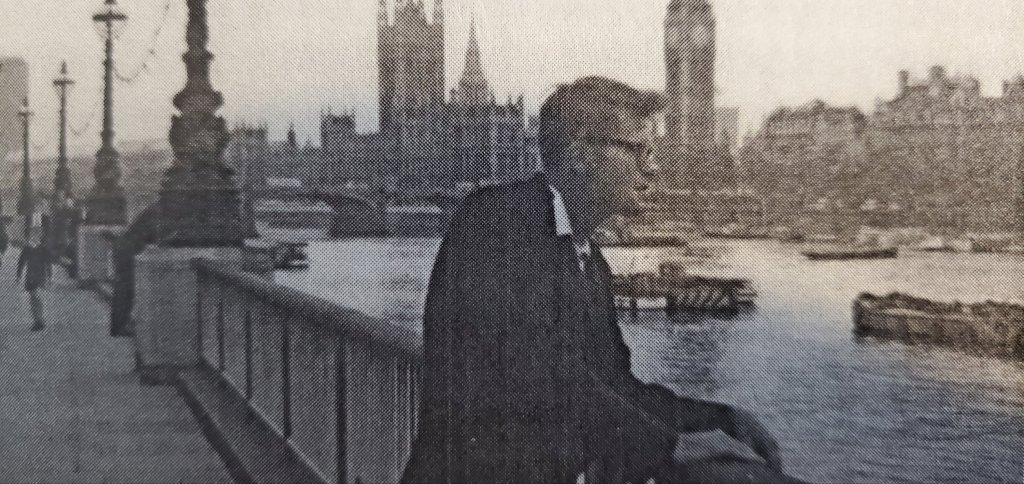


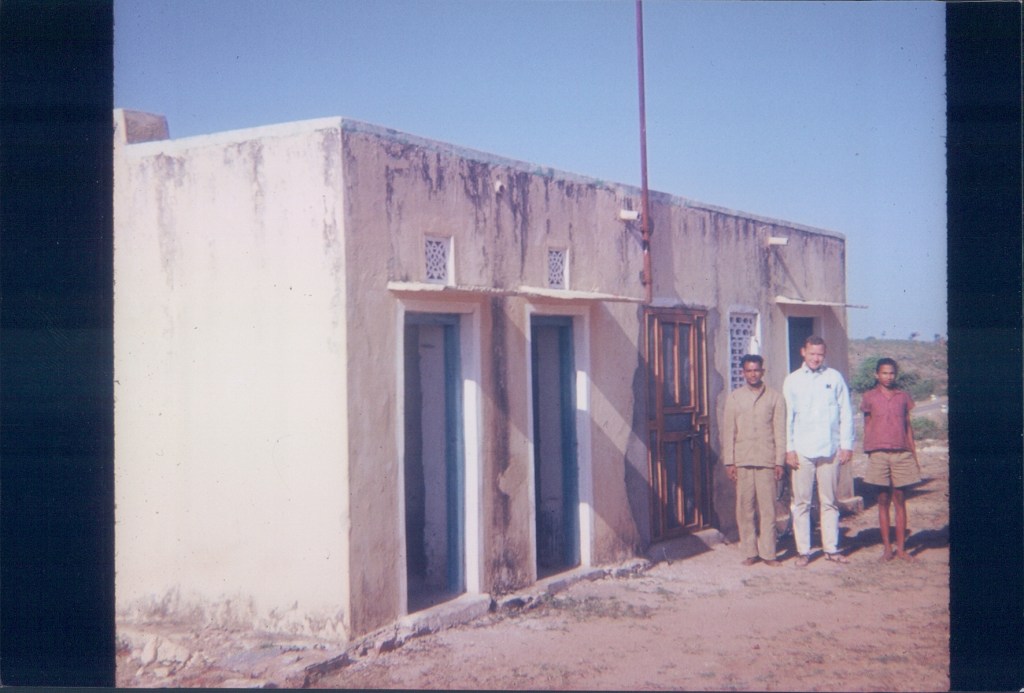


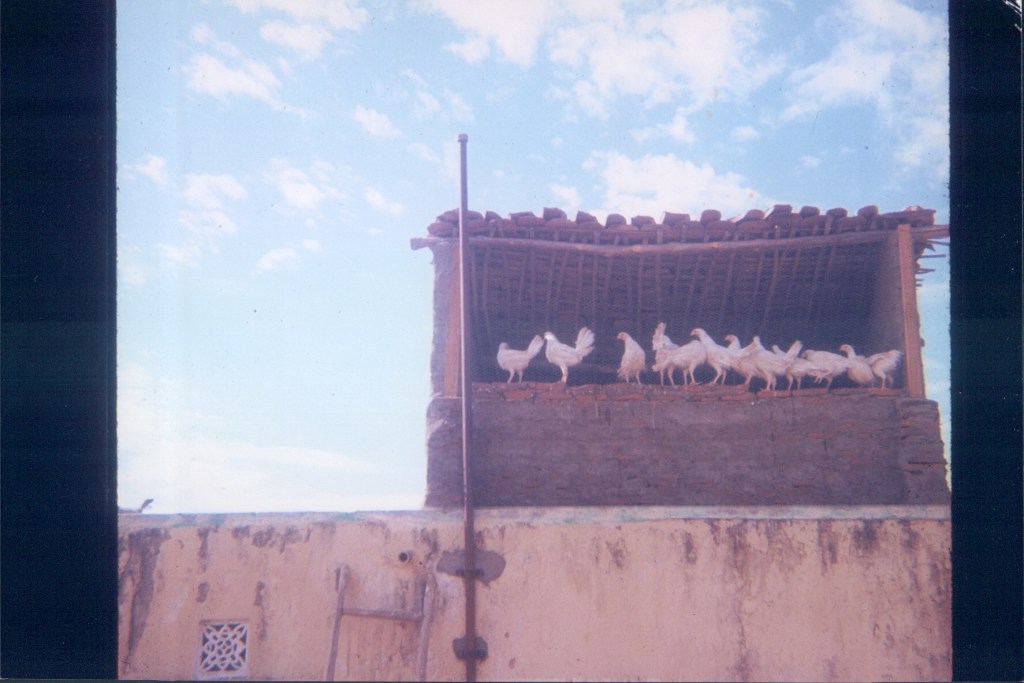

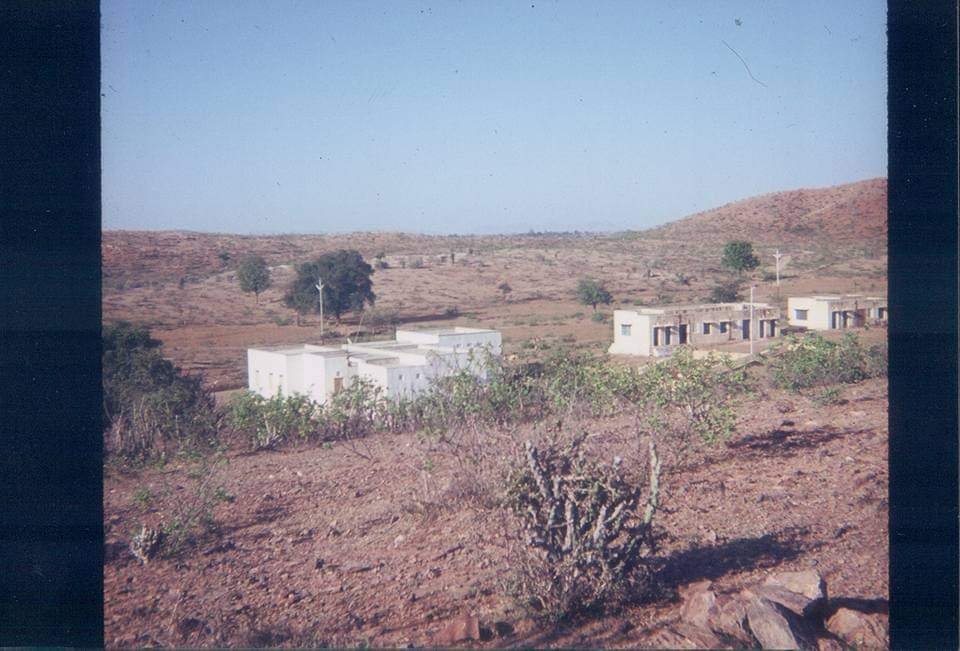
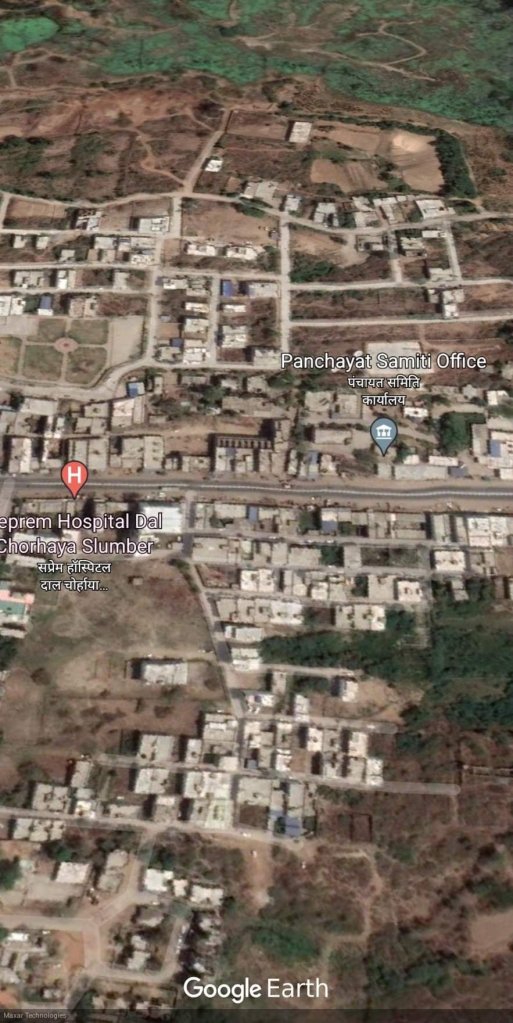

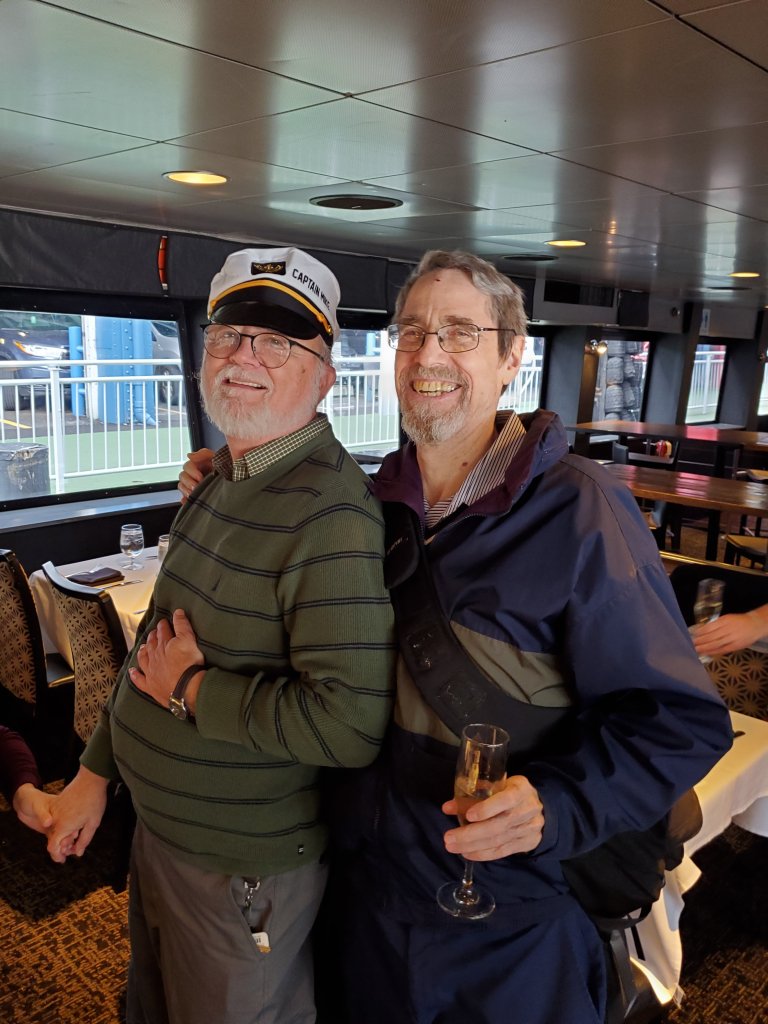
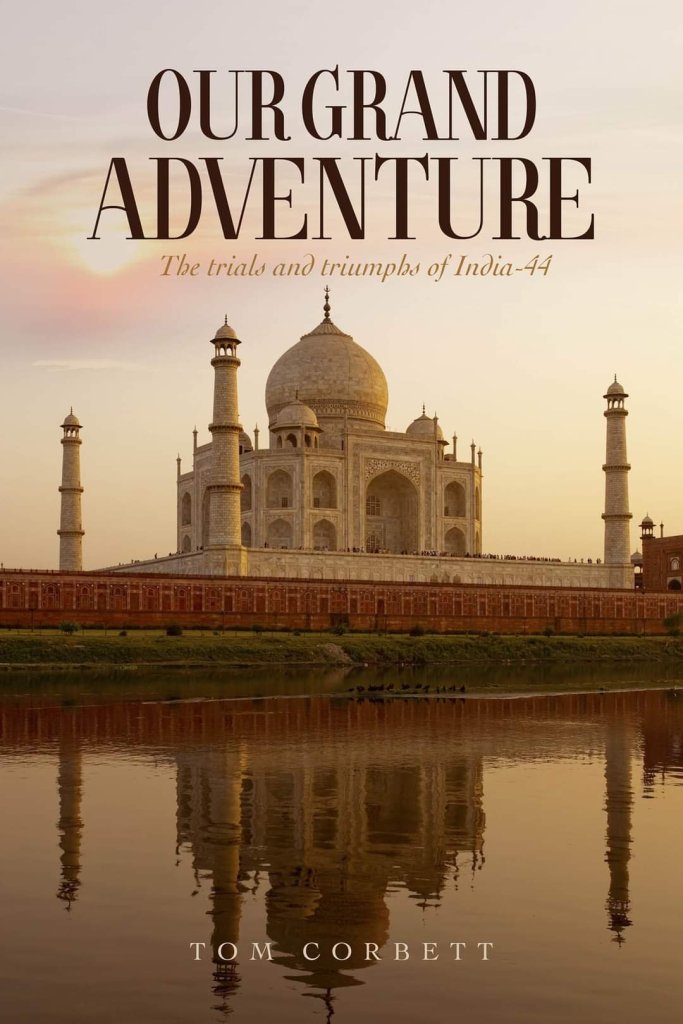
 Tom's Musings