• Sample Page

Tom's Musings

  • Monotheistic Absolutism?

    August 25th, 2023

    I once read a piece about a man of some intellectual note. This luminary was asked what he disliked most in contemporary society. His answer was ‘monotheistic absolutism.’ My reaction was ‘what?’ The wisdom of his response, however, grew on me over time and has risen to the top of my own pet peeves, a rather lengthy list indeed.

    If you also responded with a ‘what,’ let me add a brief explanation. Strictly speaking, monotheistic absolutism is a belief that one’s own perception of the divine (or truth) is the correct one, despite all the alternatives out there. That is, there is only one truth, it is known, and you possess it.

    One might argue that more people have been slaughtered in the name of God (or received truth) than for any other reason. While I cannot prove such, the assertion seems plausible. However, this human affliction goes beyond a devotion to a narrow interpretation of the divine. In my mind, it speaks to all those who insist on rigid truths about the world and on an irritating obsession respecting the righteousness of one’s own peculiar approach to reality. In such people, nuanced thinking, empathic connections, and flexibility are rarely found and often considered verboten.

    This struggle among world views is nothing new. As we first emerged from the darker ages, sometime around the later part if the 15th century (if not a bit earlier), certain humanistic views began to replace the rigid, hierarchical views that had previously dominated Europe, at least since the fall of the Roman Empire a thousand years or so earlier. During this period of stagnation covering about a millenia, intellectual progress and creative thinking shifted to the Middle East, especially to Baghdad. This was the so-called Islamic Golden Age, which emerged as Europe foundered in ignorance and a startlingly narrow approach to the world in which the masses struggled to survive.

    The European perspective, rooted in Scholasticism, assumed that all had been revealed by God in scripture and that was that. Man’s concerns were with the next life, not this one. Besides, all authority flowed downward, given by the church or appointed leaders, and nothing was to be questioned. Any extent progress in human understanding took place elsewhere, in China and in the larger Islamic Caliphtes where inquiry into mathematics, astronomy, optics, medicine, literature, and other disciplines were encouraged. That Islamic impulse to better understand our world came to a crashing halt when the Mongols sacked Baghdad around 1250 AD and when China cut itself off from the rest of the world.

    Slowly, the centers of human inquiry and investigation shifted to Europe. By the early 1500s, Erasmus was writing scathing critiques of the old order, including the Vatican, and their ‘head in the sand’ attitude to change. Martin Luther was leading a revolt against obvious failures and greed found in the Church’s hierarchy. Gutenberg revolutionized communications with his movable type innovation. And more and more secular centers of learning (Oxford was formed around this time) began to consider a new approach to learning, one that would come to he known as humanism.

    Imcrementally, it was reasoned that all knowledge was not lodged in scripture nor the ancient texts from Greece and other past ‘golden ages.’ Rather, our world remained open to rigorous observation and deductive investigation. Science evolved slowly and hesitantly, but it kept improving as a strategy for understanding things, though not without risk to those who pursued it. For example, Copernicus didn’t permit the publication of his ground breaking work disputing an earth centered universe until after his death. Galileo, who confirmed his predecessors theories, was forced to recant by the Vatican. Still, their scholarly works, once unleashed on the world, proved that nothing is more powerful than an idea whose time has arrived. Once we began to look at the world about us in an open and honest fashion, there was no looking back even if this new way of looking at things spread very incrementally.

    Why now belabor this period of social and cognitive transformation? Well, I was reminded of all this on my recent trip to Belfast and Northern Ireland. No one could help but notice the obvious evidence of divisions and hate that separated people who looked so much alike but who saw the world through different lenses. Seeing the tribal limitations of ‘my people’ reminded me how easy it is to close our minds and then our hearts.

    In Belfast and Derry, walls divided communities whose elemental distinctions were rooted in religious conflicts that go back many centuries. Relatively minor differences in how each side had approached God resulted in salient cultural rationales for bombing and killing one another.

    Of course, nothing is that simple. Religious intolerance segues into cultural distinctions which then translate into political and economic consequences of substantive importance. God can too easily become a convenient basis for distributing society’s goodies in unfair ways. In each case, however, some people get stuck in their set beliefs, unable to see beyond their narrow views even as others can bend and find opportunities for compromise and change. The 1998 Easter Peace agreements between Protestants and Catholics did happen.

    I cannot help but wonder if our American cultural conflict is of a similar character. Is the separation between our Red and Blue political nations essentially based in some fundamental dichotomy in how each side views the world. One side is stuck in a hierarchical world of fixed beliefs rooted somehow in a cultish devotion to the notion of a strong man or demigod who would rule over an ordered and unchanging society.

    The other side believes in things like science and progress and the perfectibility of society through collective action. The world is not fixed in their view but is amenable to change and improvement through science and experimentation. One side is driven by fear and unquestioned faith, the other by hope and reason. This is not all that different from the tensions that existed when our world took tentative steps from an irrational devotion to absolute truths in the so-called dark ages toward a new humanism in the Renaissance as a step toward the modern world.

    Most agree that our existing cultural divide is growing. The last time we were so polarized was in the years before our Civil War. The divisions then were more complex than merely a belief in slavery or not. What separated us were more fundamental differences in how each side saw the world. One side desired a hierarchical society based on fixed truths, an institutional framework where people were assigned to higher and lower positions based on ascribed and usually immutable attributes (like race). In that world, one ordained by the creator, there existed little opportunity for change. The world was perfect as it was, a reflection of divine will.

    The other side saw all kinds of new possibilities, as reflected in the emergence of the new Republican Party of that era. That new philosophy was premised in progress and the promise of a better world if the shackles that limited individuals might be torn away, especially with the help of government and a focus on the public good. Thus, one side invested in education and infrastructure and experimentation while the other sought desperately to resist all change to an already perfect world.

    Such fundamental differences were not amenable to discussion and compromise back then nor now. In the middle ages, Europe convulsed in several periods of constant war between cultures associated with religious differences, the 30 Years War being particularly savage. In America, during the middle of the 19th century, we dissolved into a fratricidal civil conflict to determine which world view might dominate as the country expanded westward. That dispute cost us between 600 and 700,000 lives and did not bring us together in our hearts.

    Even on a micro-scale, violence prevailed. Southern Congressman Preston Brooks almost beat Senator Charles Sumner of Massachusetts to death for speaking out against slavery. Other political and media spokespersons from the south defended this vicious attack in Congress. Violence was sanctioned politically and morally in the pursuit of unassailable values of highly questionable merit.

    Recently, we have witnessed an insurrection against the orderly transition of power, a fundamental precept of our democracy. A still sitting President urged a violent mob on. And then, an entire major political party accepted this treasonable act.

    Have we learned nothing from history? At long last, have we learned nothing at all? All around us, we see walls being erected, mostly symbolic, but real nevertheless. We cannot talk to one another. We cannot understand one another. We have no common narrative nor set of norms to share. We are strangers, no different than the citizens of Belfast or Derry who erected tall, thick walls to keep the other at arms length, at least when they were not trying to kill one another.

    We have one planet on which we all live. We will either work together to make the best go of it or watch the human experiment dissolve in its own folly. Once again, I’m glad I’m old.
  • First reflections on Northern Ireland.

    August 23rd, 2023

    The country, and the city, no longer can be considered the backwater of Europe, which it was in 1969 during my first visit. Dublin is alive and vibrant and growing. In a few days, Notre Dame will play the Naval Academy in a contest of American football in an ultra modern stadium. Many high tech companies have relocated here to take advantage of the political stability and the educated work force. The so-called Celtic economic tiger remains alive.
    Now, I am home. My spouse and I used to travel frequently. Then she fell victim to Alzheimers, the long good by, and then along came Covid. So, this was my first trip overseas in some time, the first to Ireland since 2001, and the first to Dublin since 1969. To say the country has changed a bit would be an understatement.

    On the streets of Dublin you see people from all over the world, many skin colors and languages and accents. One reaction I had was ‘this might be New York or London.’ These are not all tourists. Retail and restaurant workers are likely to be from all parts of the EU and beyond.

    And the food! Long gone are the days when haute-cuisine was fish and chips, though they remain ubiquitous. Now, all forms of ethnic foods are available, even in mid size towns. Remarkably, even in domestic restaurants, you can find curries and even more exotic dishes. I had the best Chicken Tikka Masala in my life in a regular restaurant in a small Irish town on the west coast.

    Of course, the Irish have not lost their identity. Their love of native music, of art, of language, and of their history remains. Long ago dates and events remain close to the surface. Cromwell, the Flight of the Earls, the famine and the diaspora, the 1916 uprising and their independence in 1921 are real events to the native population.

    The ‘troubles’ remain way too close to be dismissed, as testified to by the walls that remain, the opposing flags being displayed, and the murals still adorning many buildings. While it is good to recall history, one hopes the correct lessons have been learned. Not all the bitterness has disappeared.

    Another change is the secularization one feels. Two generations ago, the country was yet in the grips of the Catholic (or Protestant) Churches. That allegiance is broken, and thus peace is possible. Ireland has quickly become a progressive state on social issues. Their recent history gives me a glimmer of hope for America.

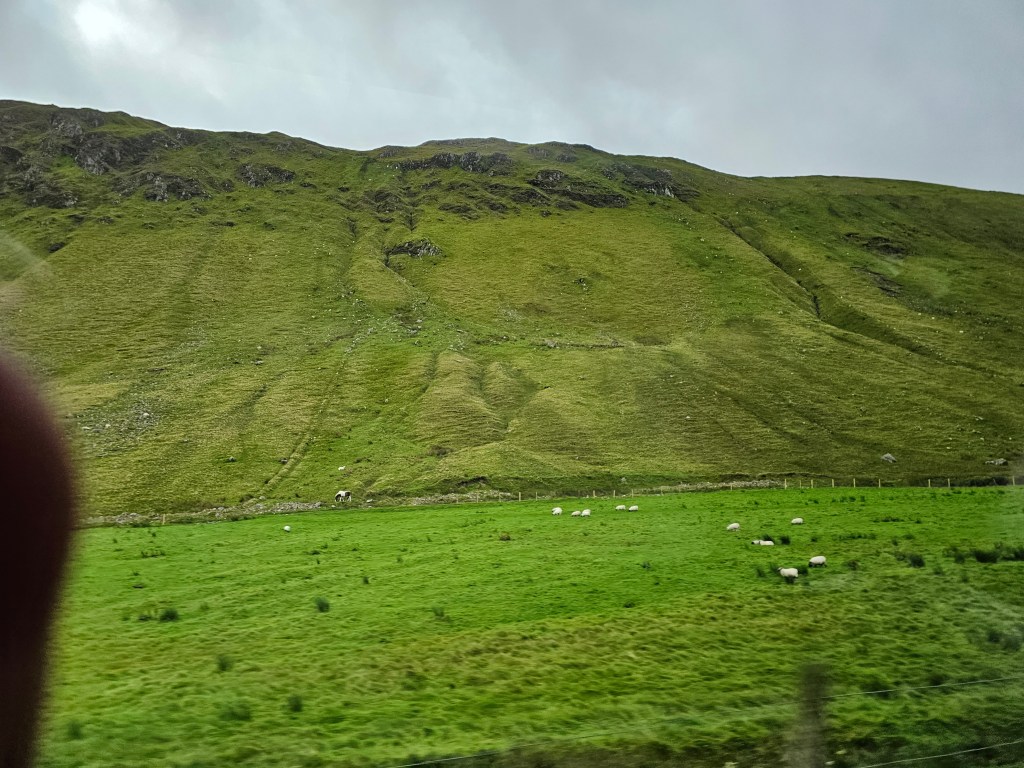
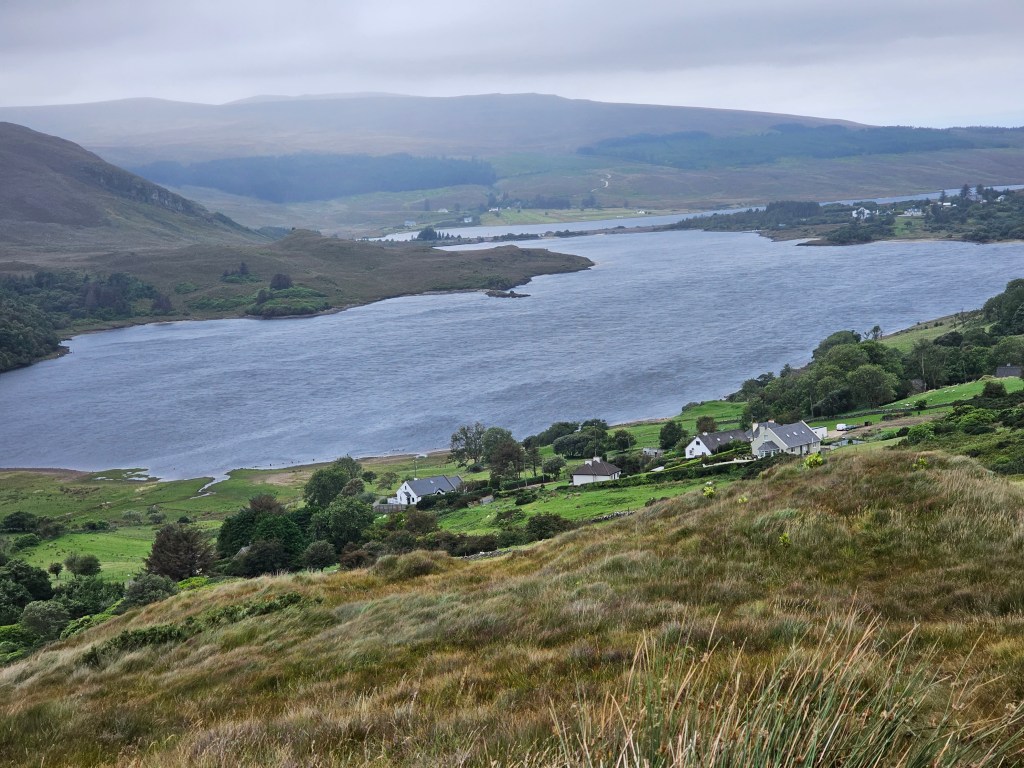
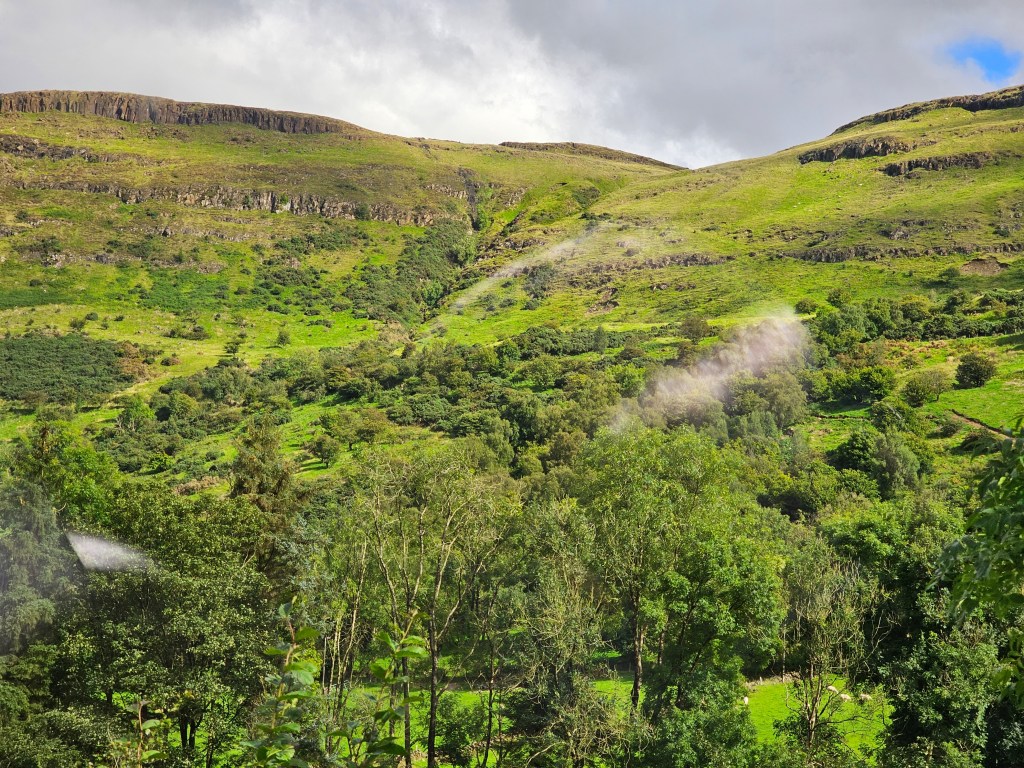
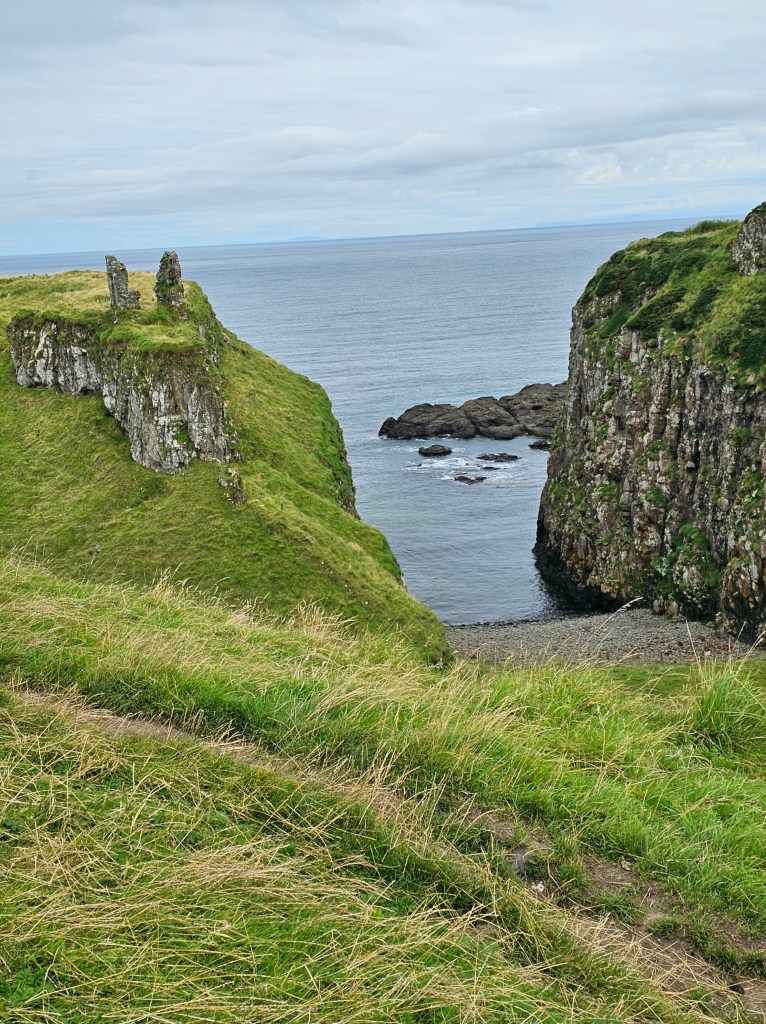
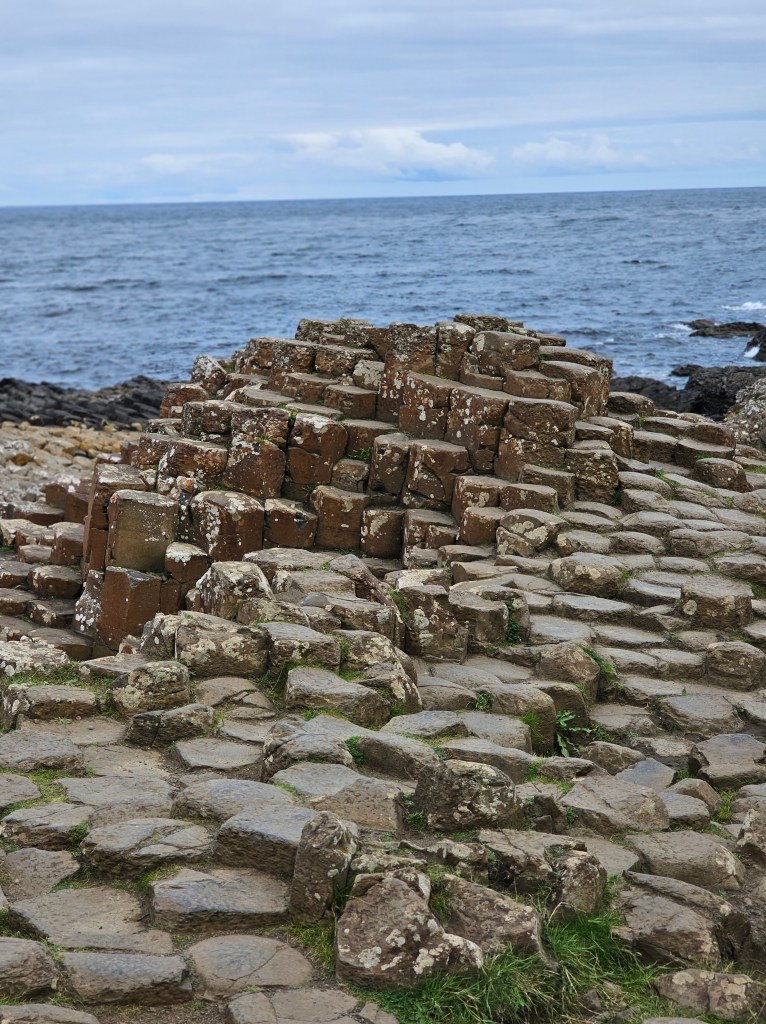
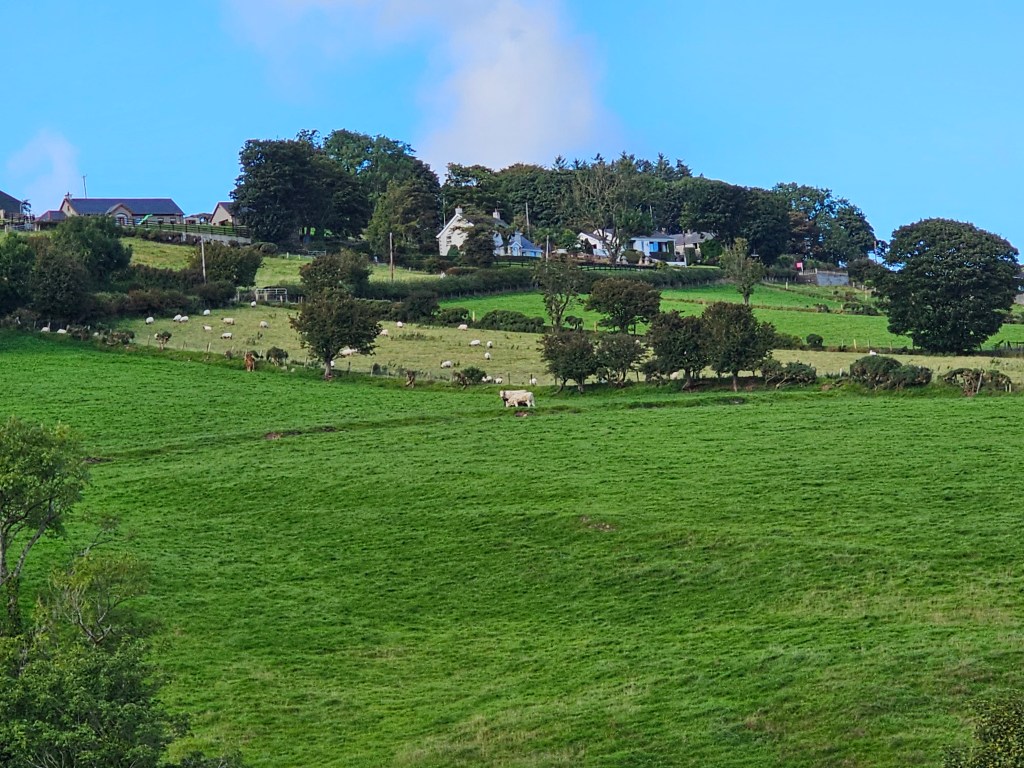
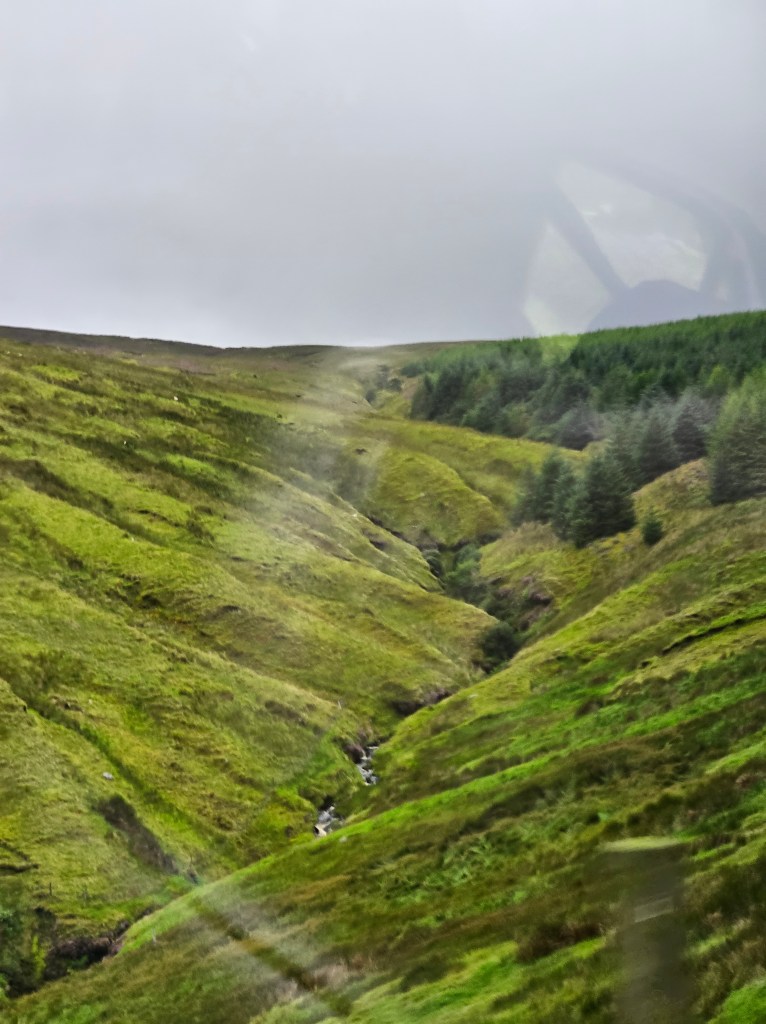
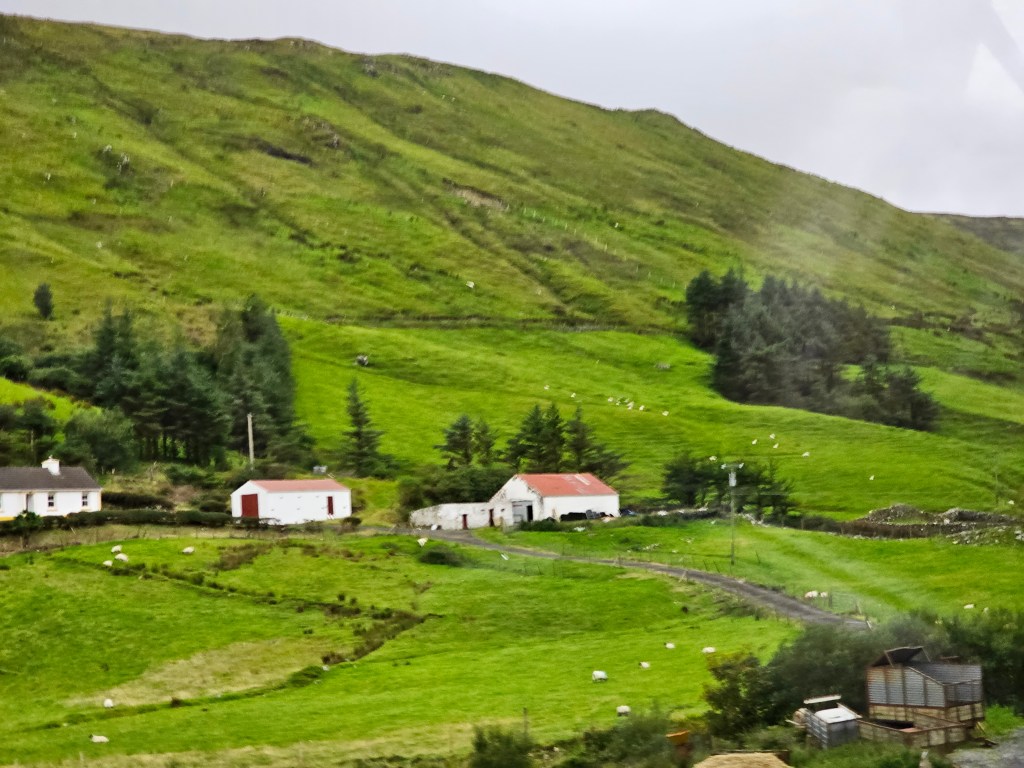
    But most of all I am taken with the beauty of the place. This is one of the few places I have visited where the sights are more dramatic than the post cards you can buy in the shops. The fields really are brilliant green. The coast is marked by dramatic landscapes and pristine beaches. Our tour gasped many a time at what lay before us. No wonder the place produced so many poets. It is magical.

    More to say but I’m still a bit jet lagged. I just may have to go back.

  • The end …

    August 21st, 2023

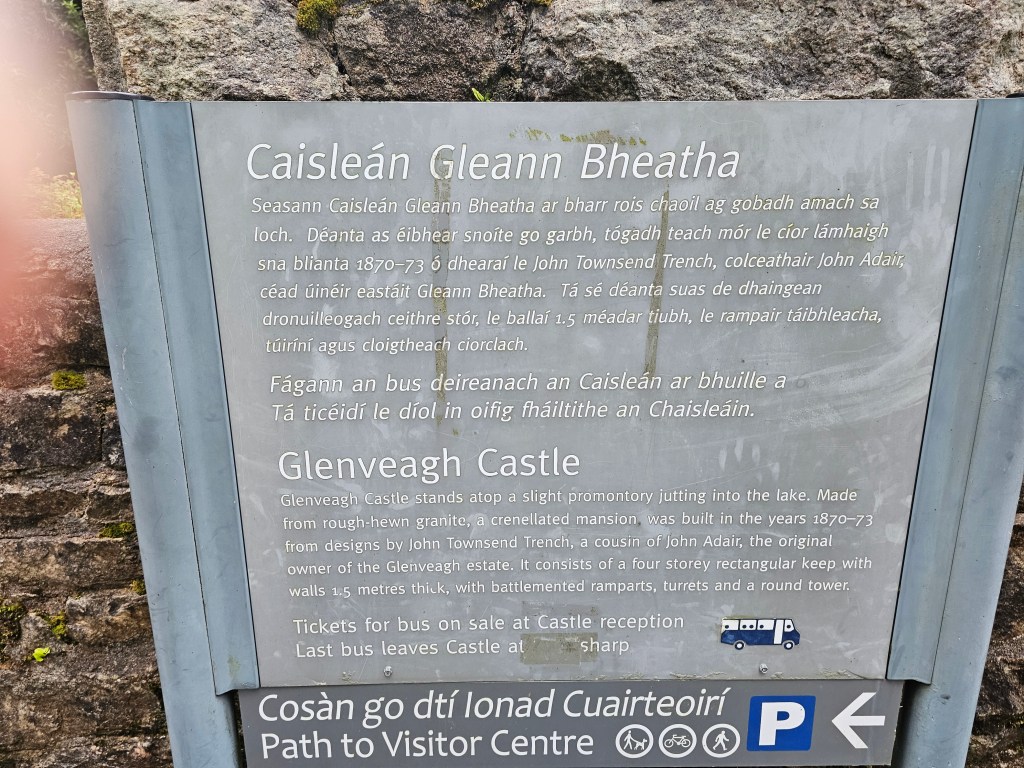
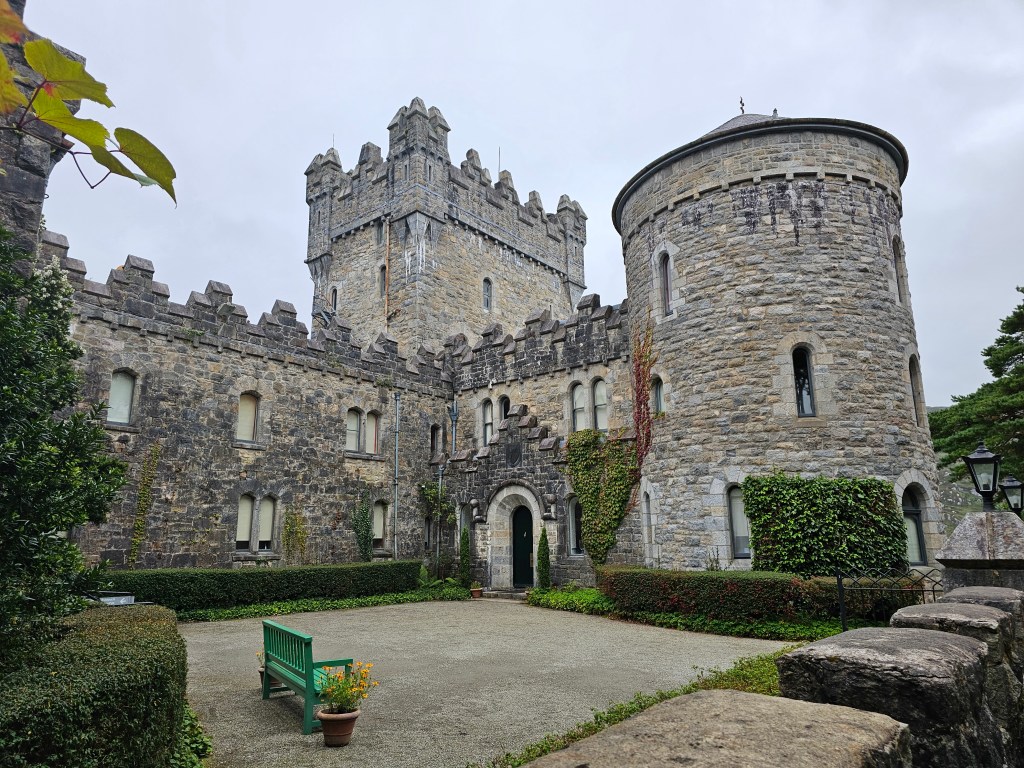
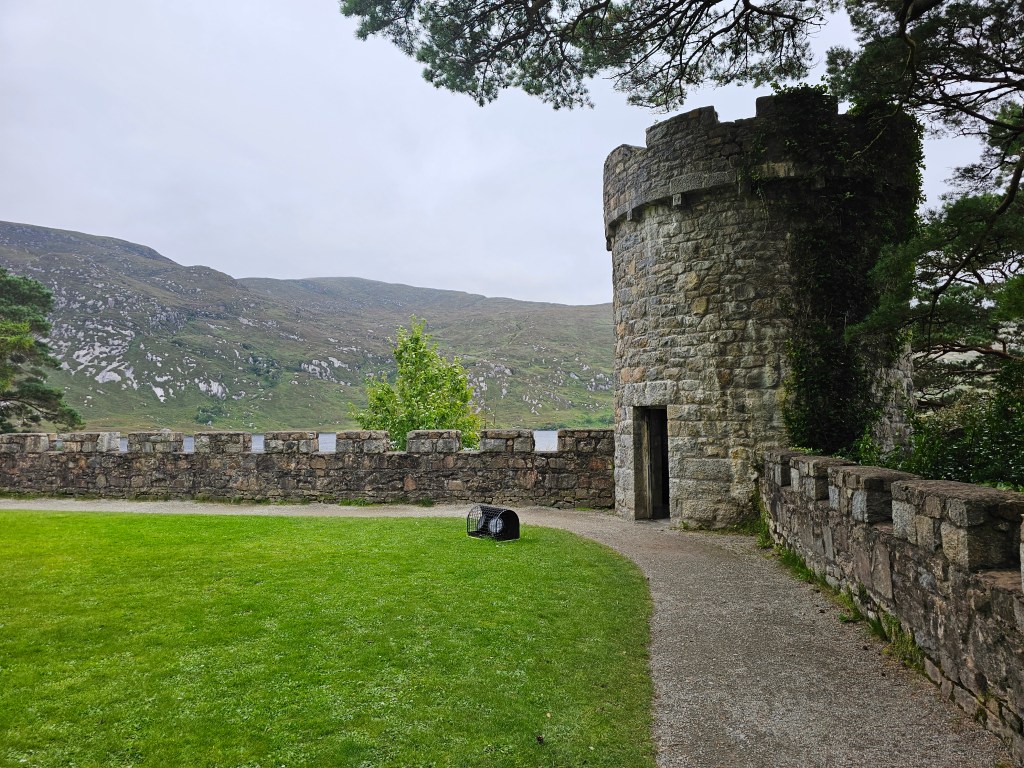
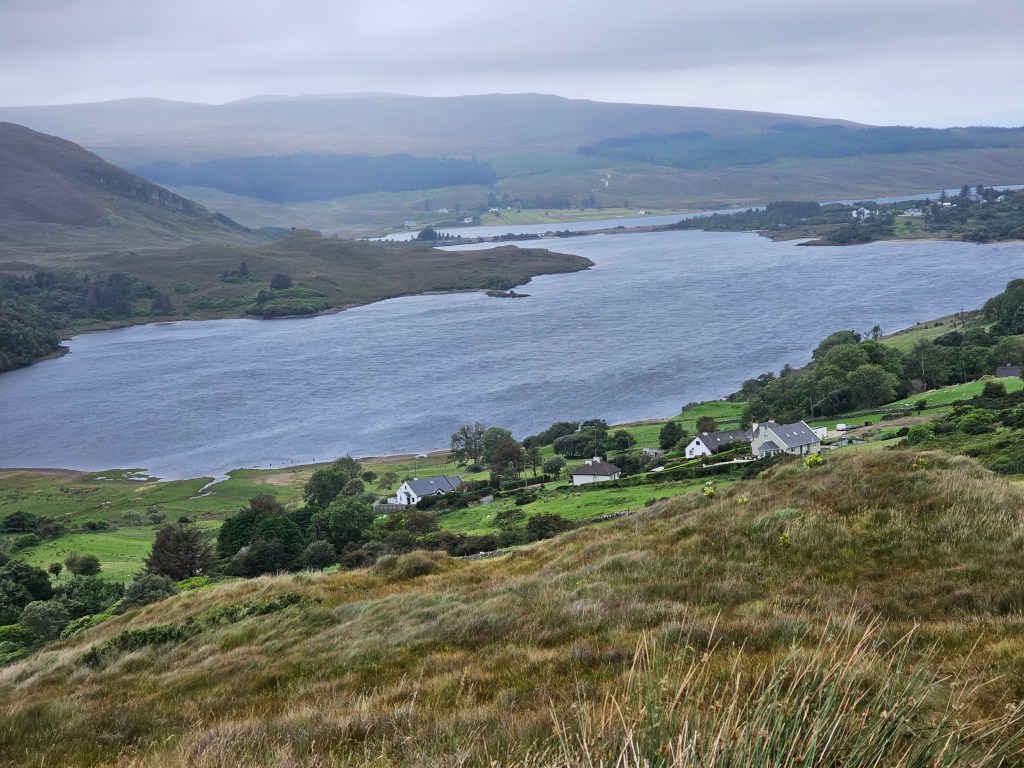
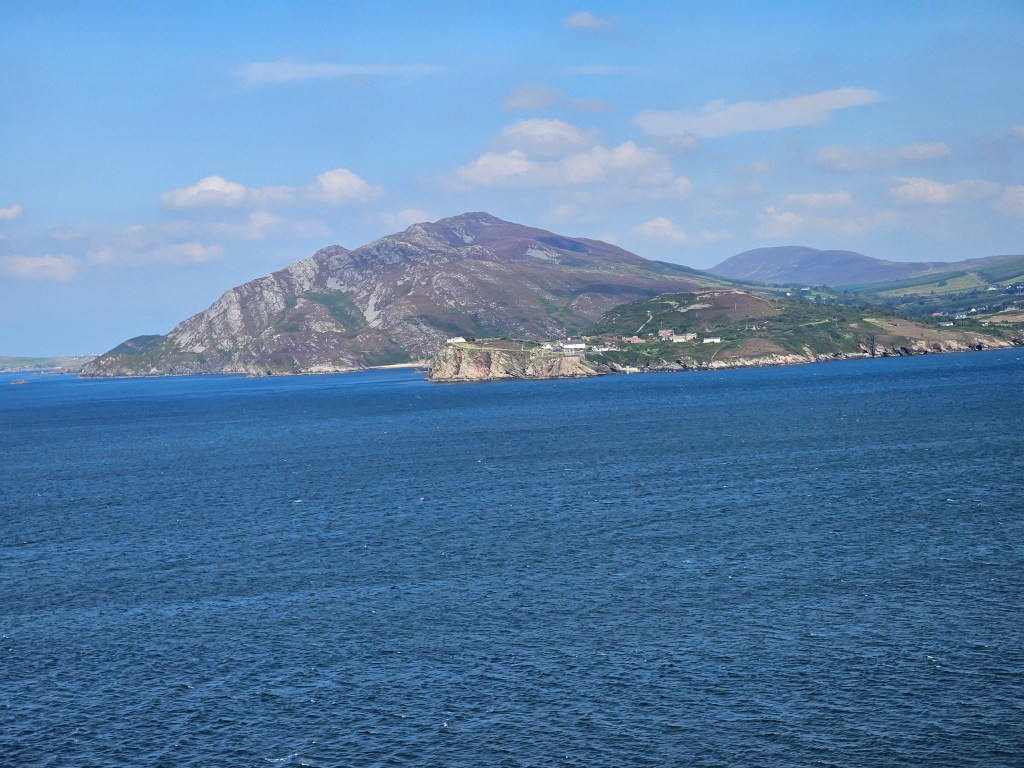
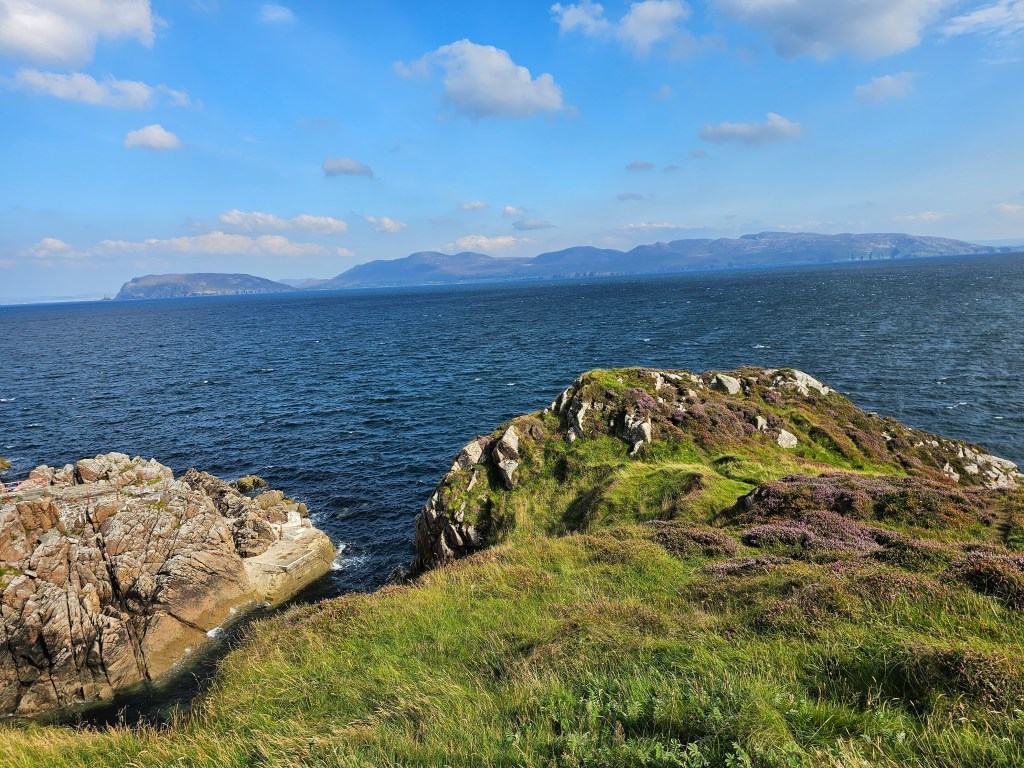
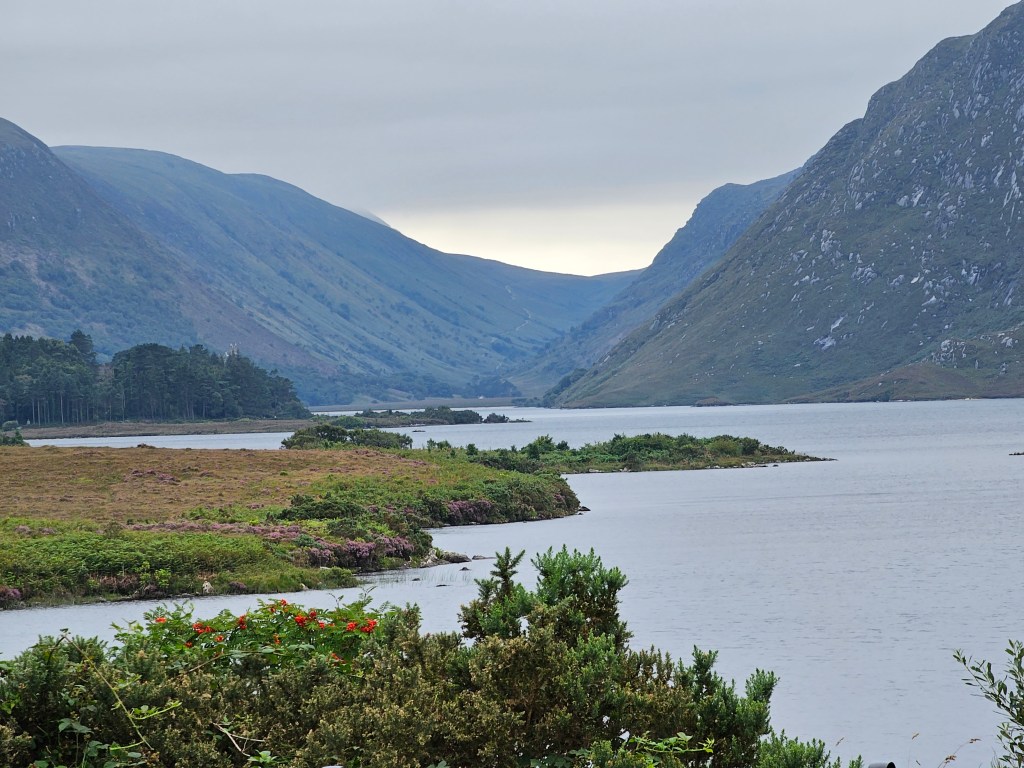
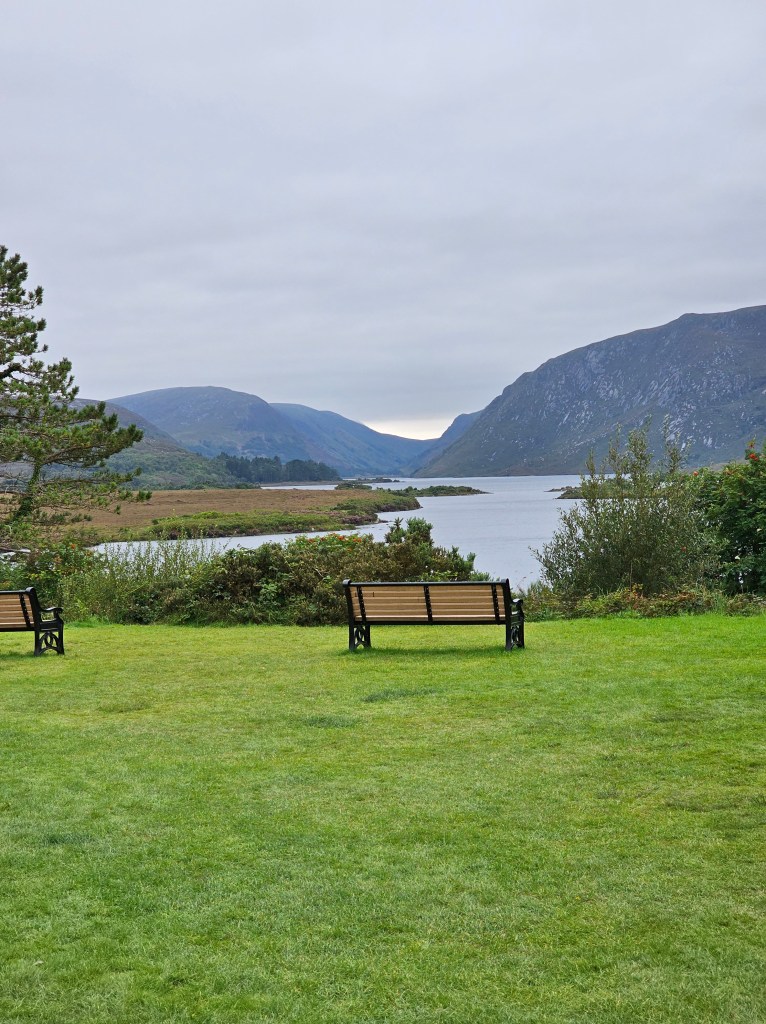
    Coming to the end of my adventures in the north of Ireland. And a grand tour it was. A few highlights!

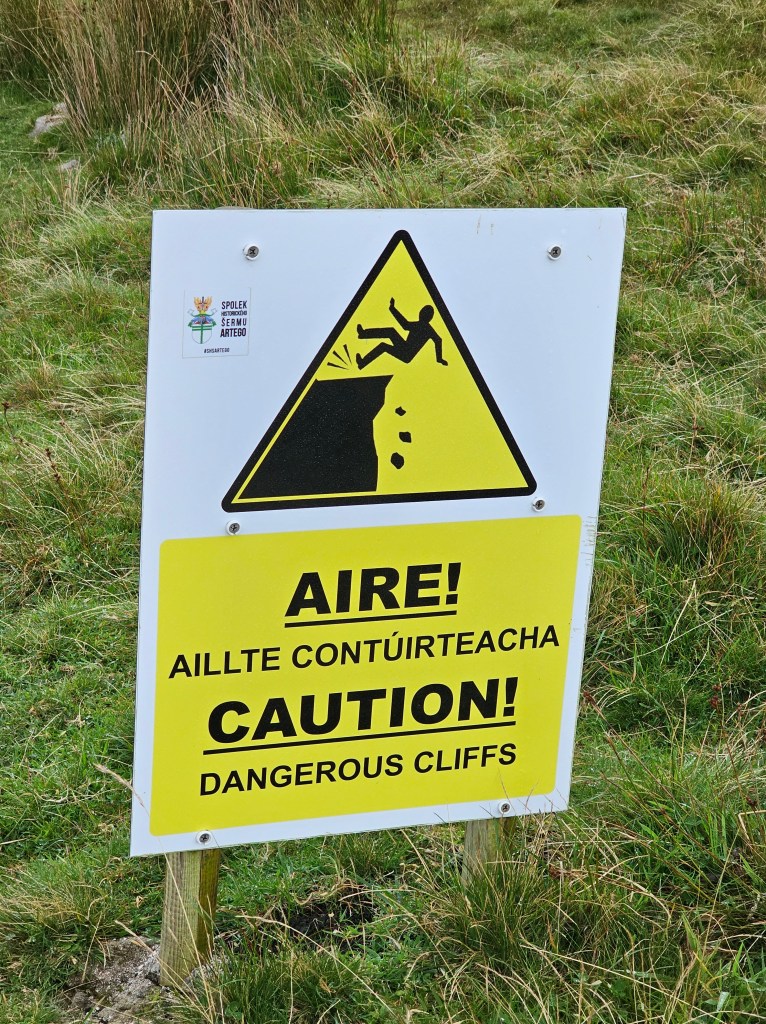
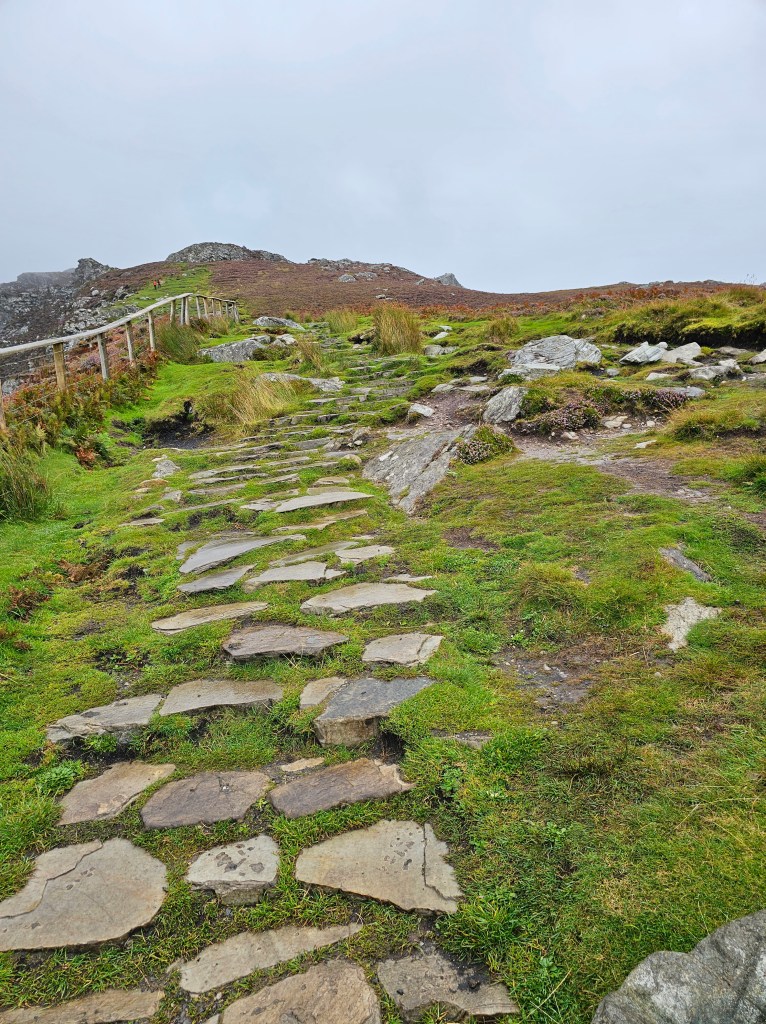
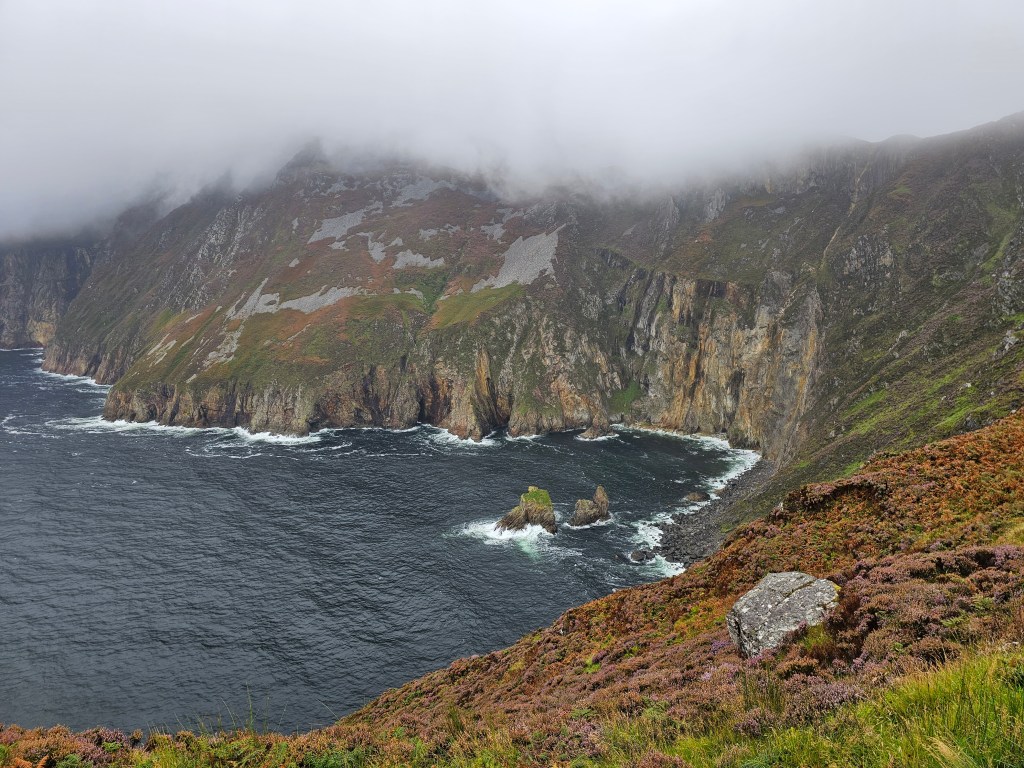
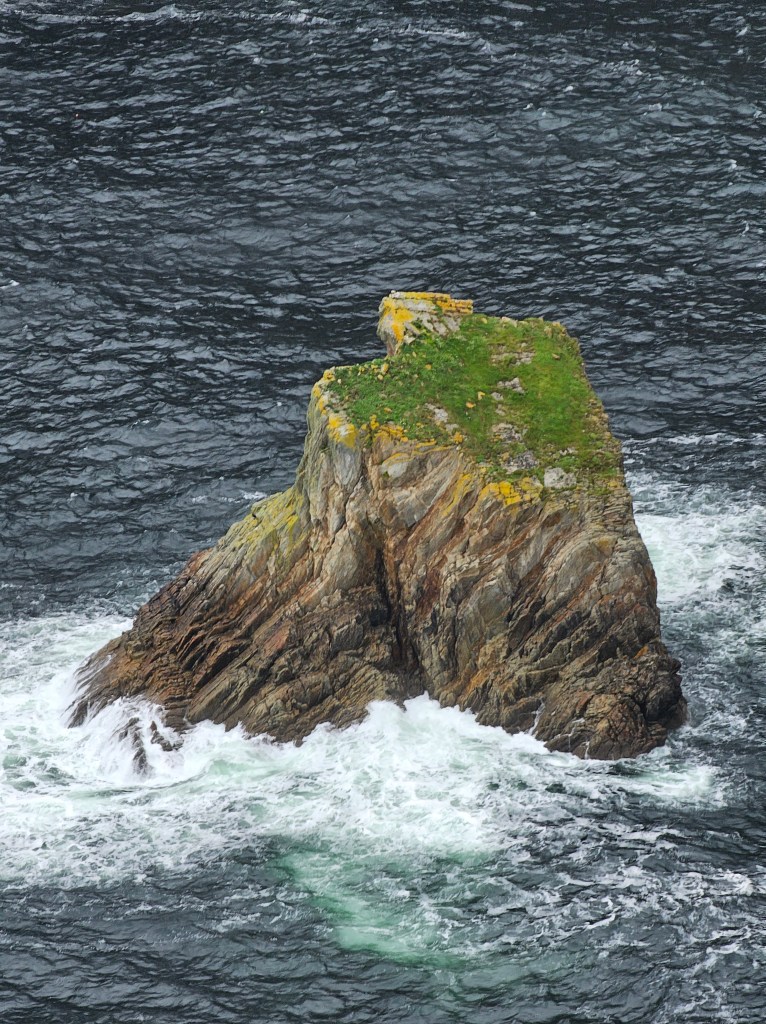
    Now on to one of the highest ocean side cliffs in Europe.

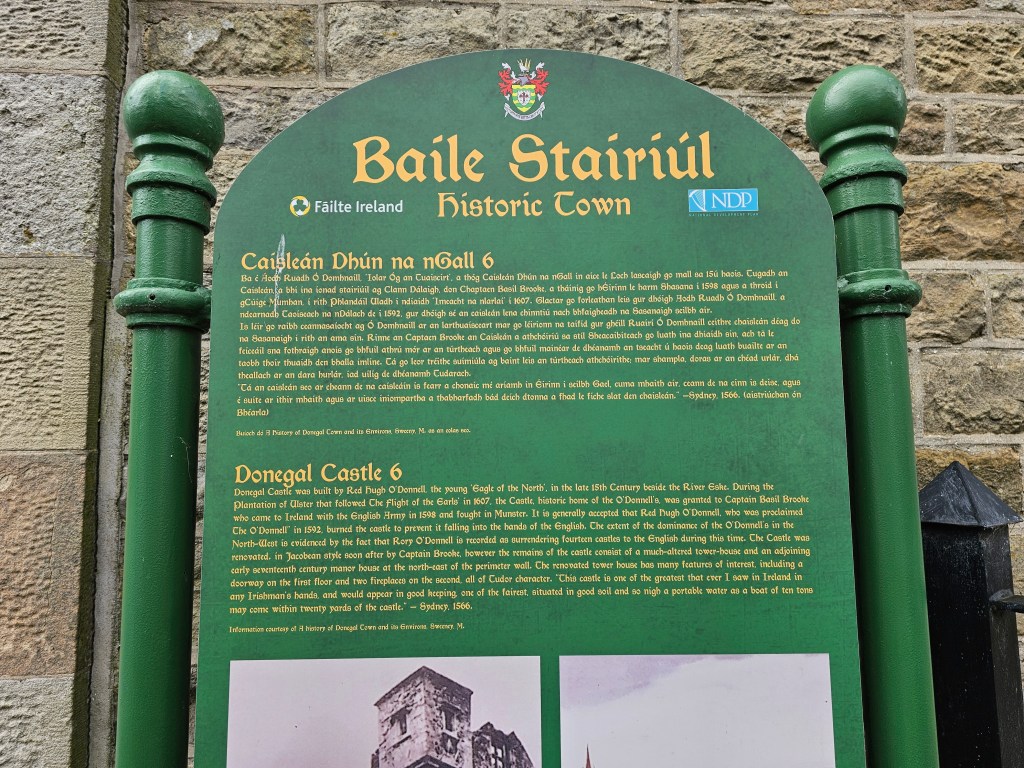
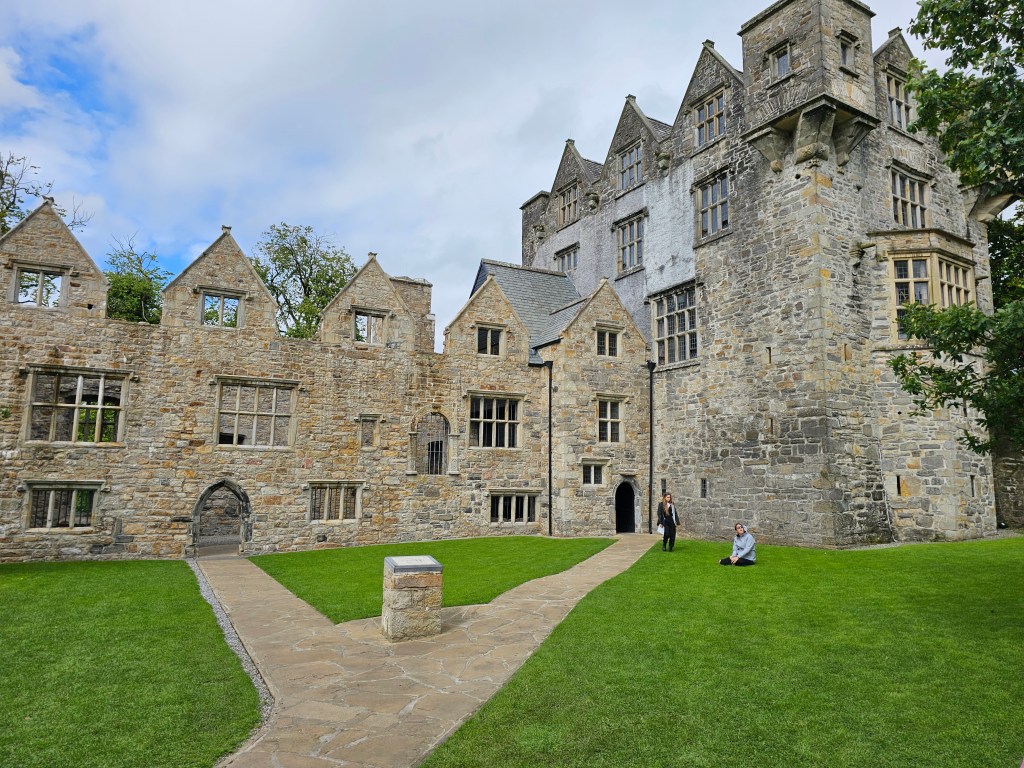
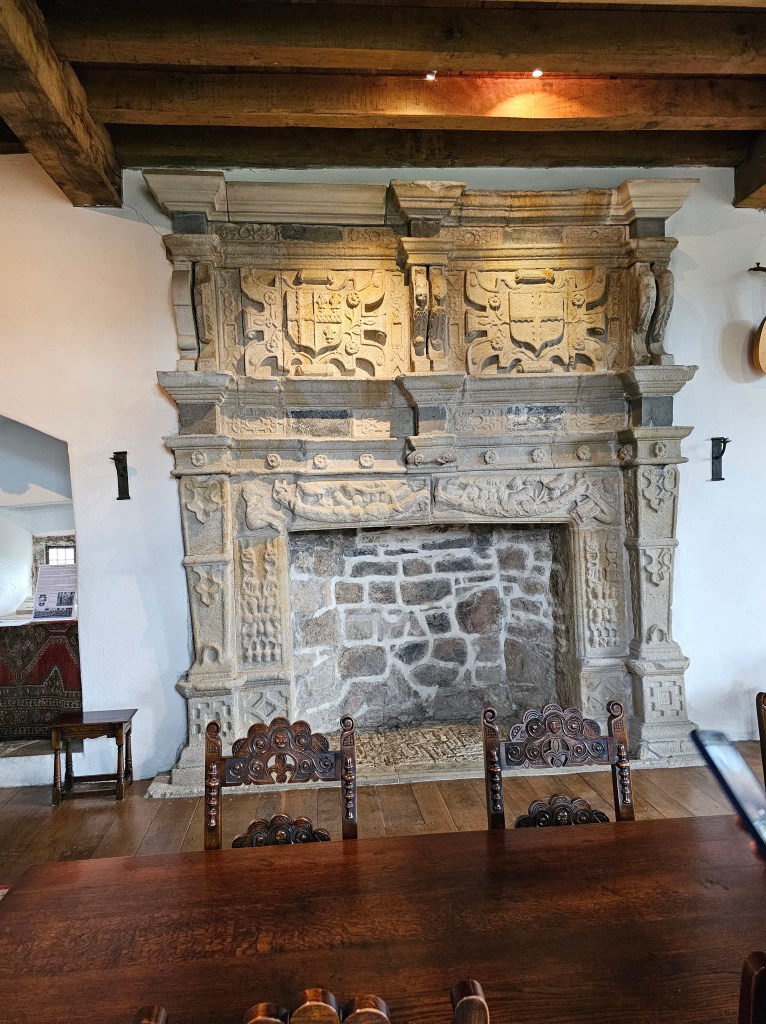
    The castle in Donegal played a key role the defeat of the Irish chieftains and the English conquest of Ireland.

    The O’Donnell clan had ruled the castle and area for several centuries. But in the late 1500s, the ‘nine year war’ started as Elizabeth 1st decided to settle the Irish question once and for all. She didn’t like a Catholic nation to her west. It might be the back door that one of her Catholic enemies, France or Spain, might use to threaten England.

    After several years of stalemate, she sent a larger army to the Emerald Isle. At the request of the northern Chieftans, Spain sent an army to reinforce their Catholic allies. But through misfortune or misunderstanding, the Spanish force landed in Kinsale and not Donegal as expected. That was at the other end of the island. The northern chieftains marched South but, exhausted when they arrived, were defeated by the English army.

    By this time, Elizabeth had died and James was on the throne. She would have had the Irish traitors drawn and quartered, with their heads on spikes. But James spared the lives of the Chiefs, gave them some of their land back, and made them Earls. However, they would have to renounce their culture, their language, and their religion as part of the deal.

    In the end, that proved too much for them. The chiefs fled to Spain and Italy, looking to raise armies and money to return and reclaim their ancestral lands. However, they never returned and this episode became known as the ‘flight of the Earls.’

    In 1610, James began the ‘plantation’ of Ulster province, most of which is now known as Northern Ireland. Plantation is another word for colonization. He brought in thousands and thousands of Scottish and English Protestants to take over the land. That was the beginning of the religious and cultural conflict that was most recently expressed in the ‘Troubles,’ and which remains today in a more subdued form.

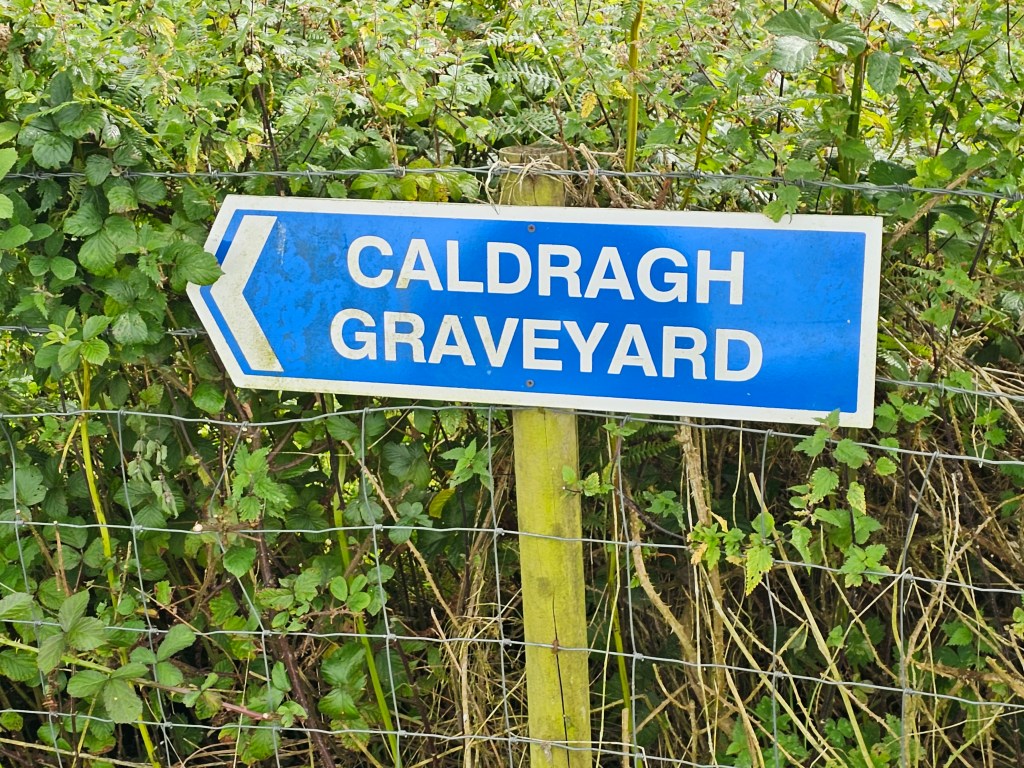
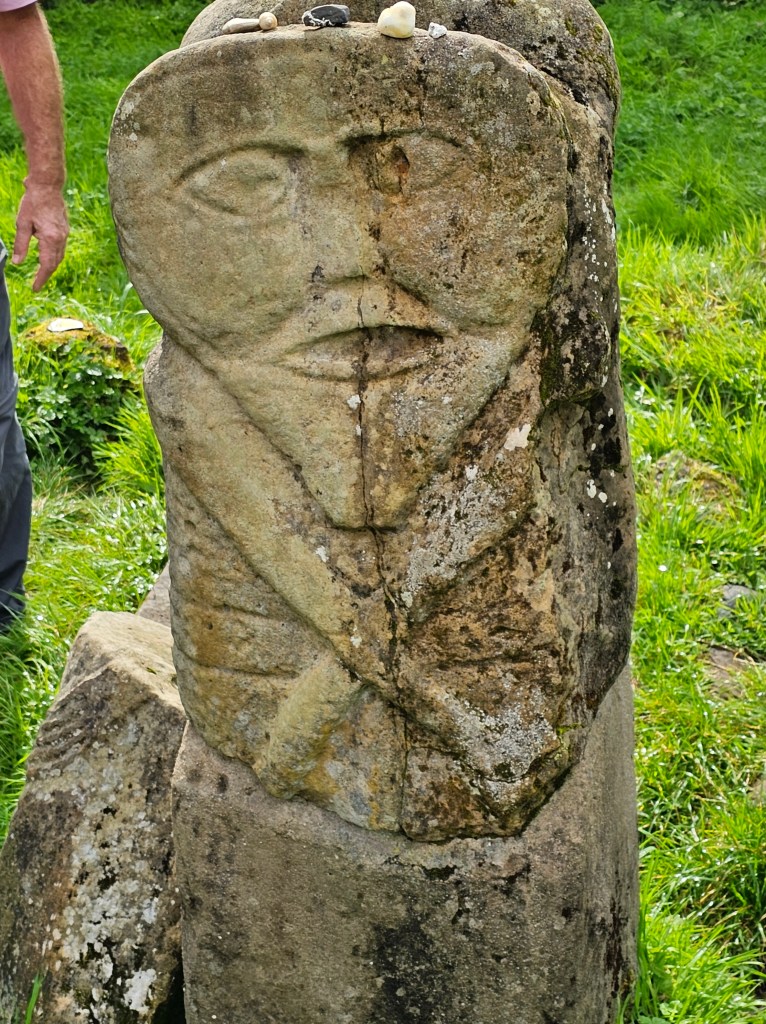
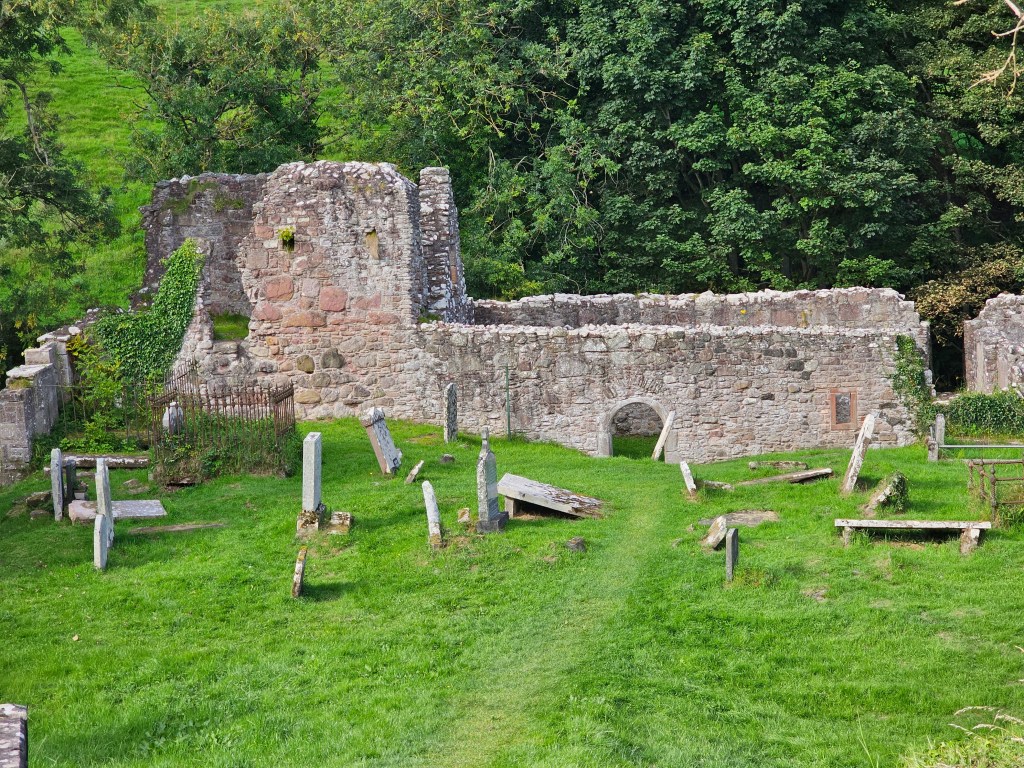
    We next head east. A quick stop at an ancient graveyard. The Janus stone dates to pre-christian era while the other is a recent marker dating to 1810.

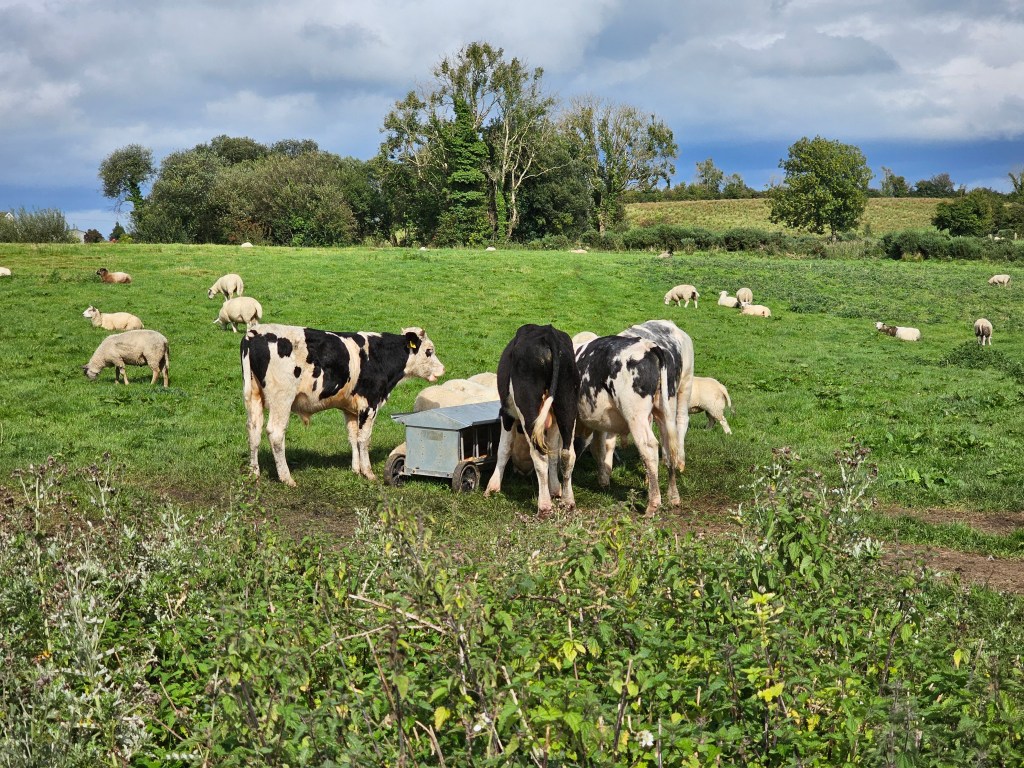
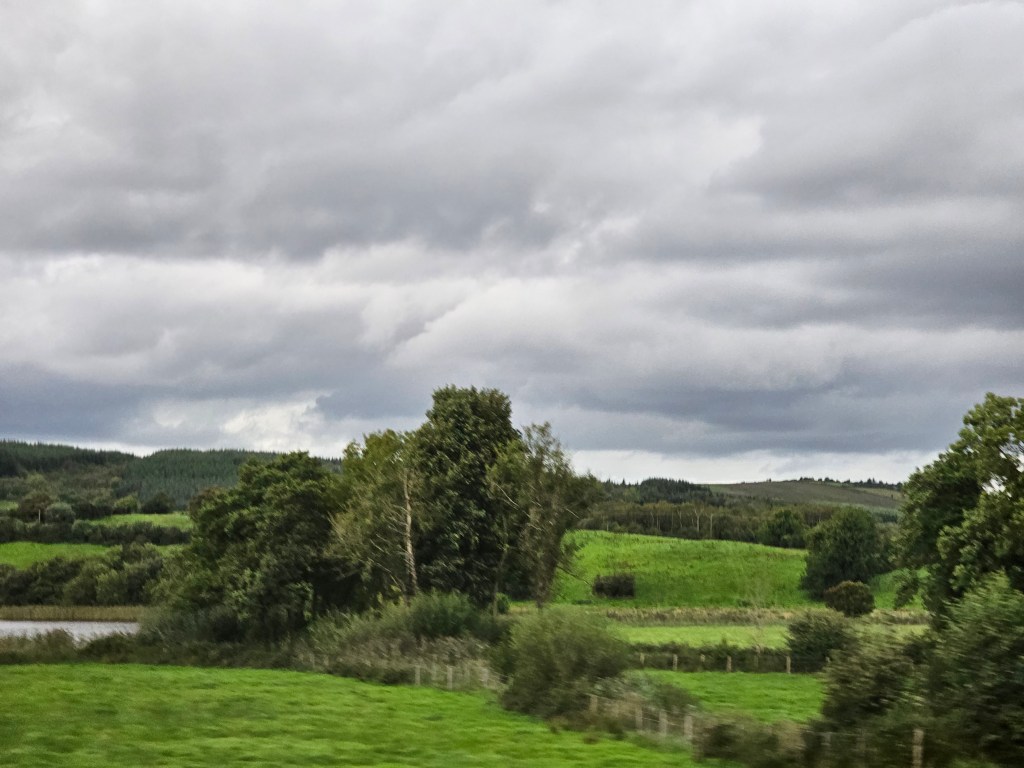
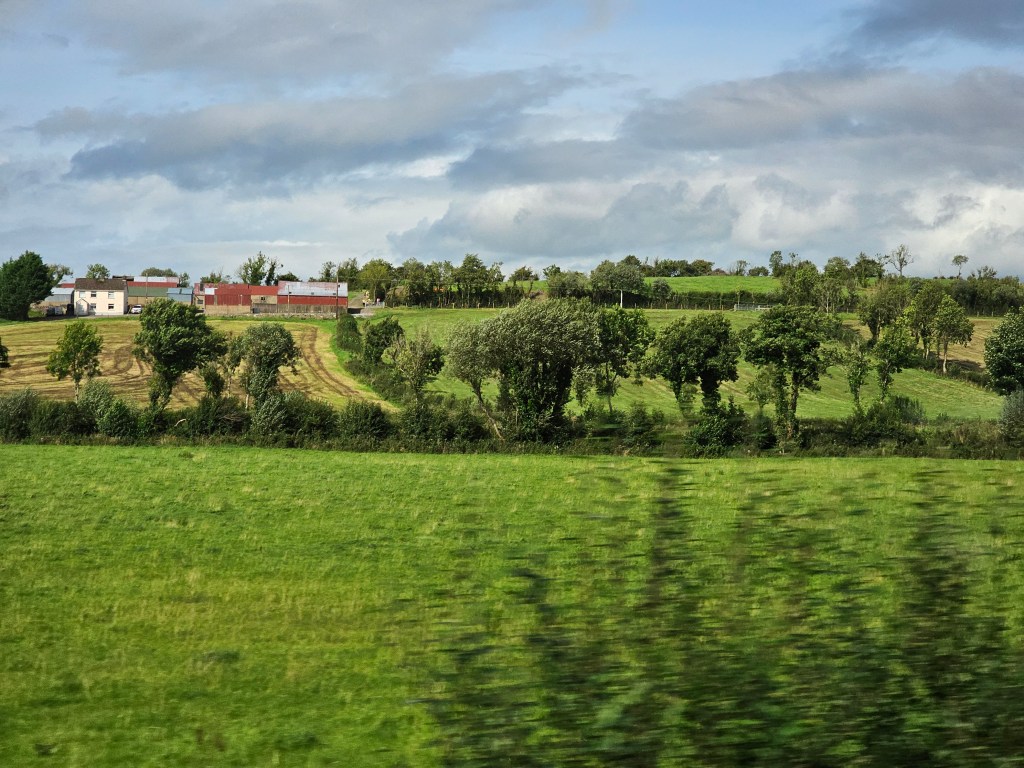
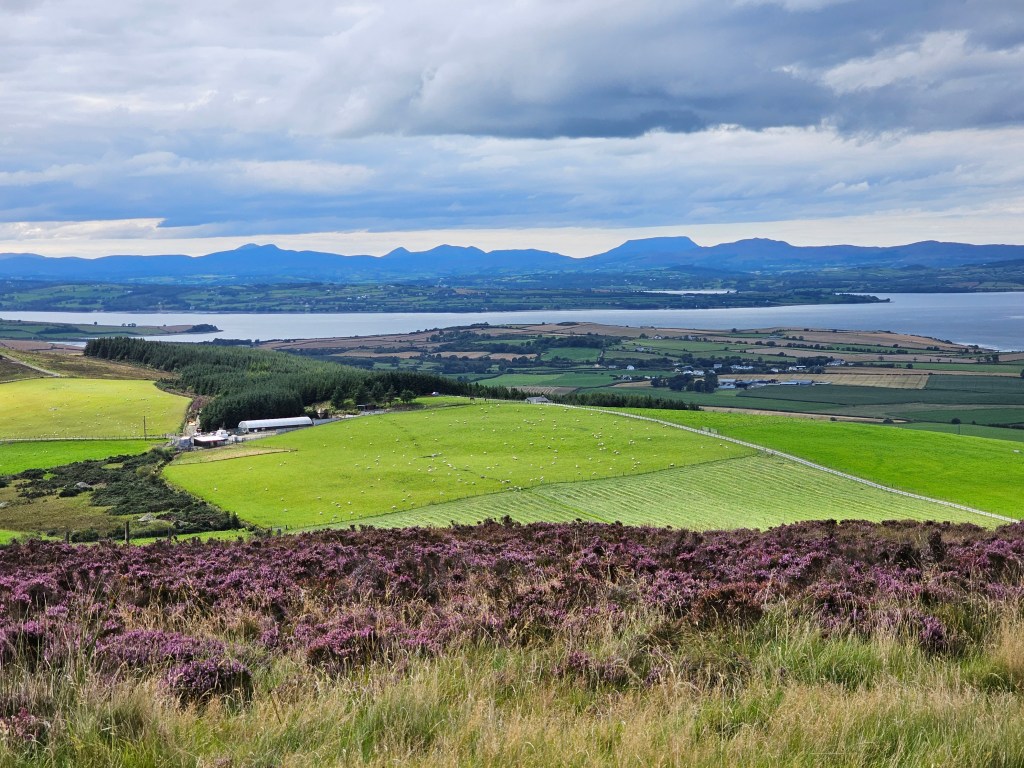
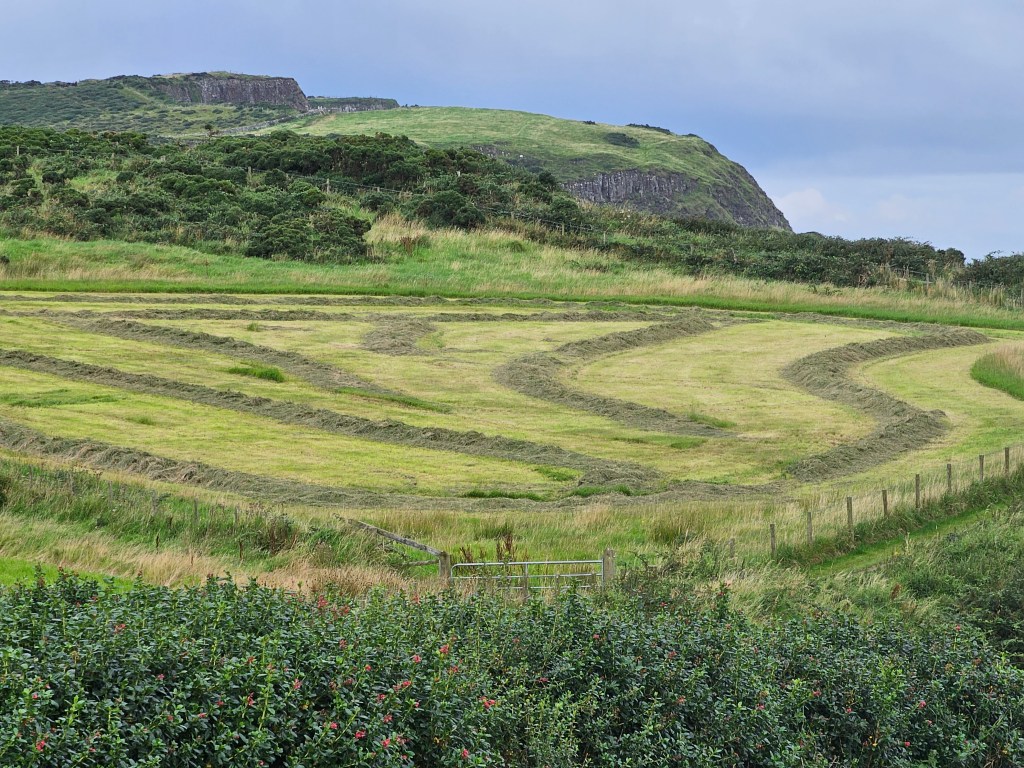
    Then we are back on the road heading toward Dublin and typical scenes from the Irish countryside.

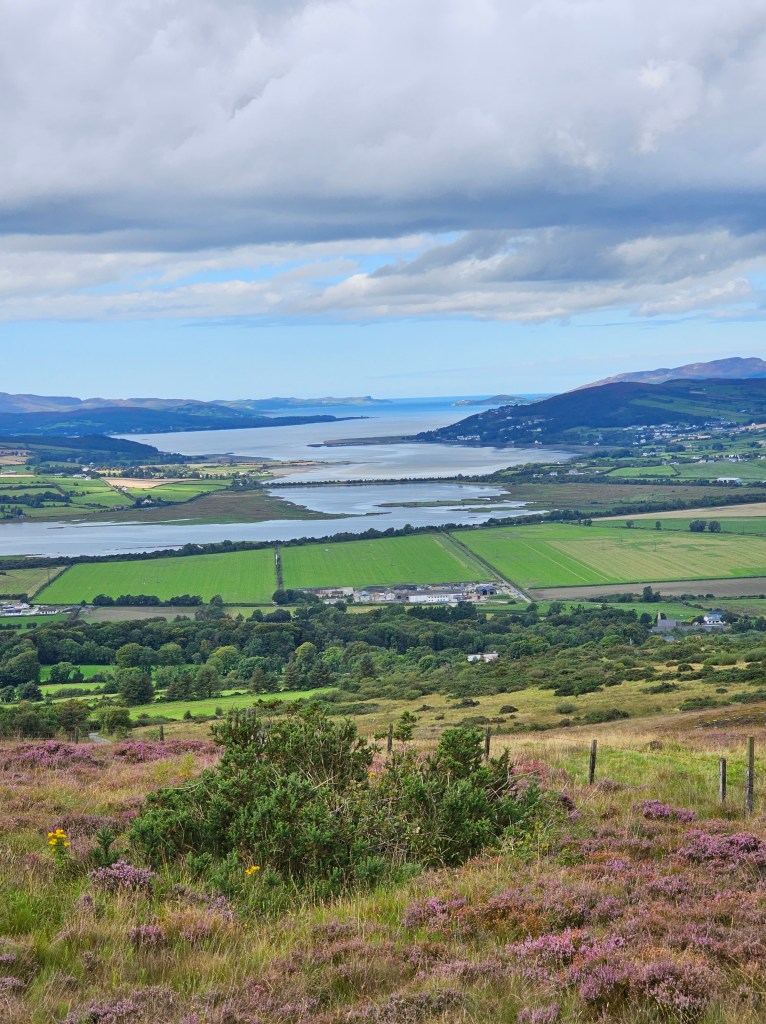
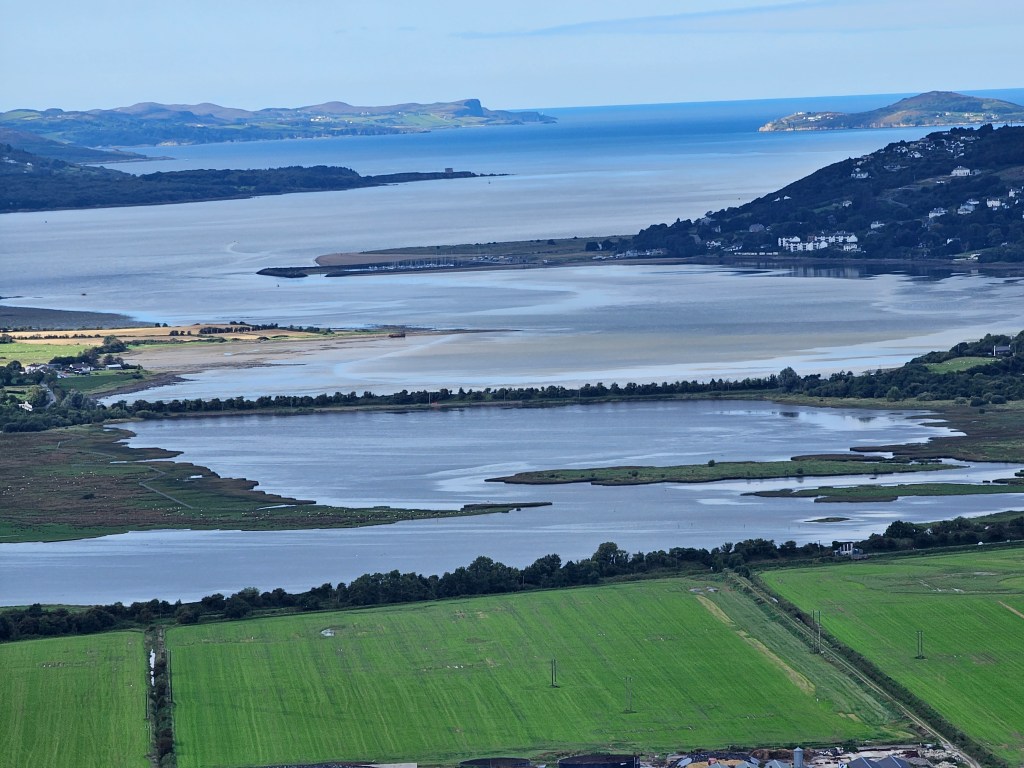
  • Ireland’s northwest coast.

    August 20th, 2023

    Just a few more pictures.

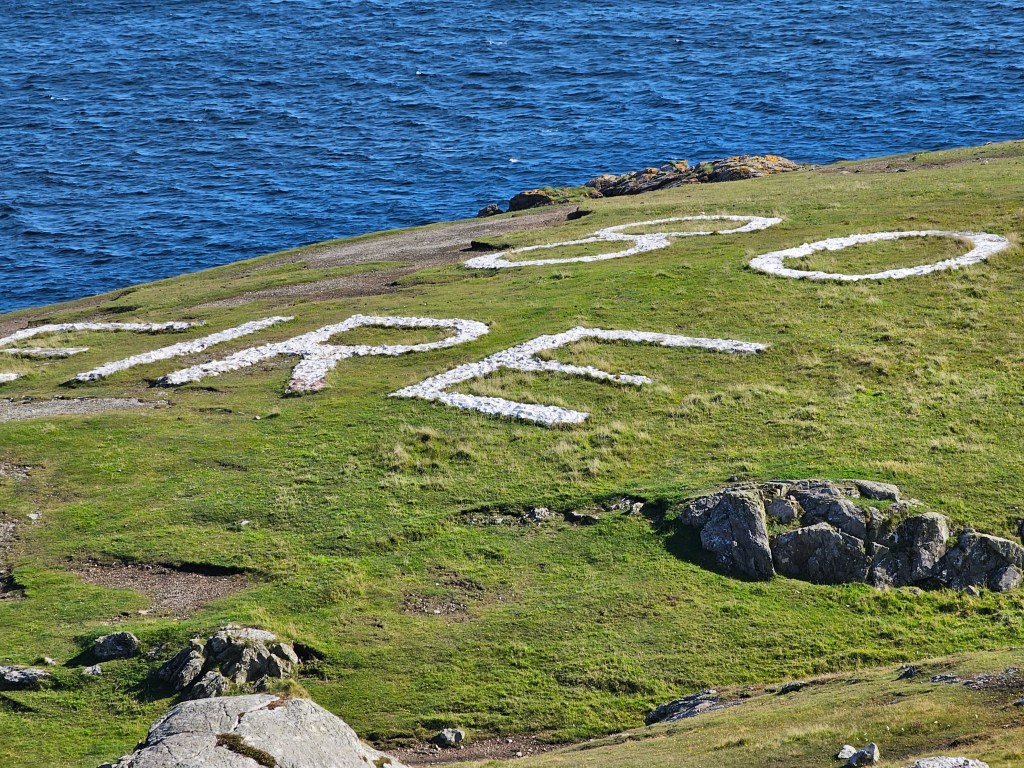
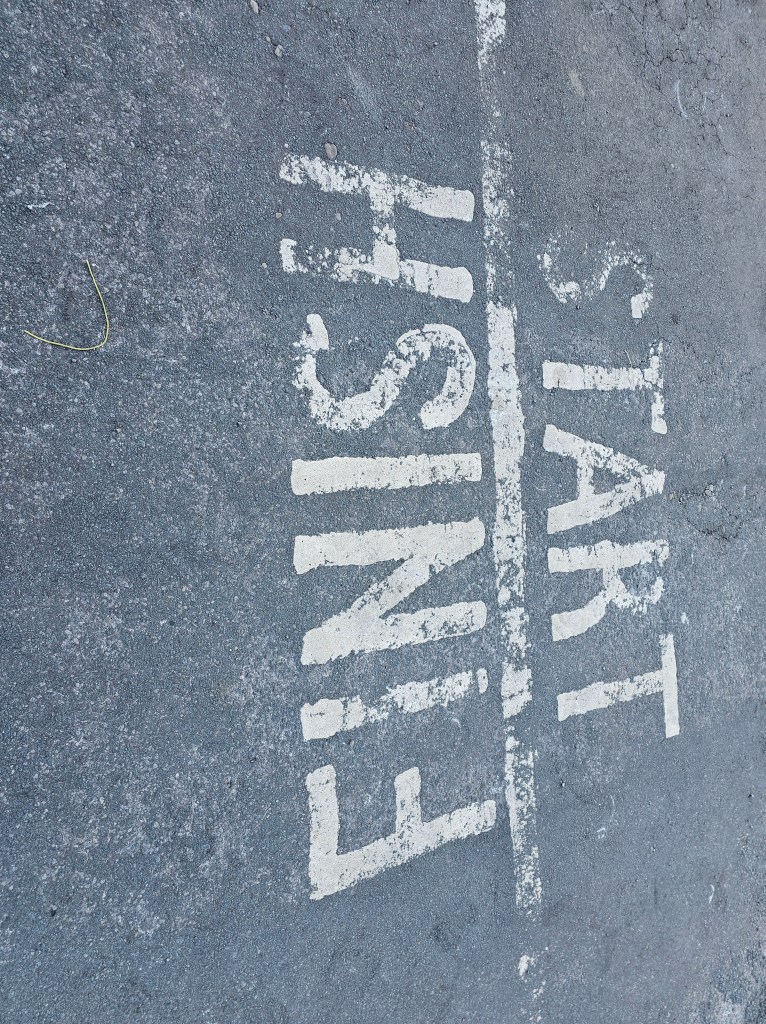
    A bit of explanation: Malin Head is the very top of Ireland. The start line is where they begin a bicycle race that goes the length of the country. The term ’80 Eire’ was painted during the war to tell German planes that this was neutral Ireland and not to bomb.

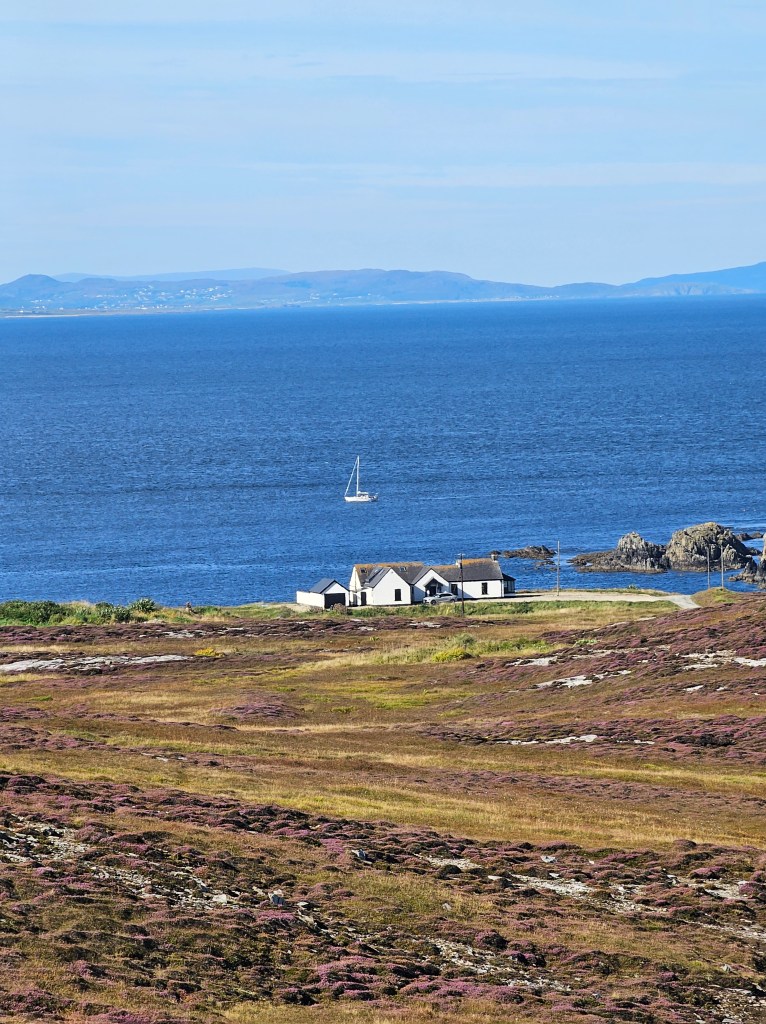
    Just above is one of Ireland’s iconic lighthouses.

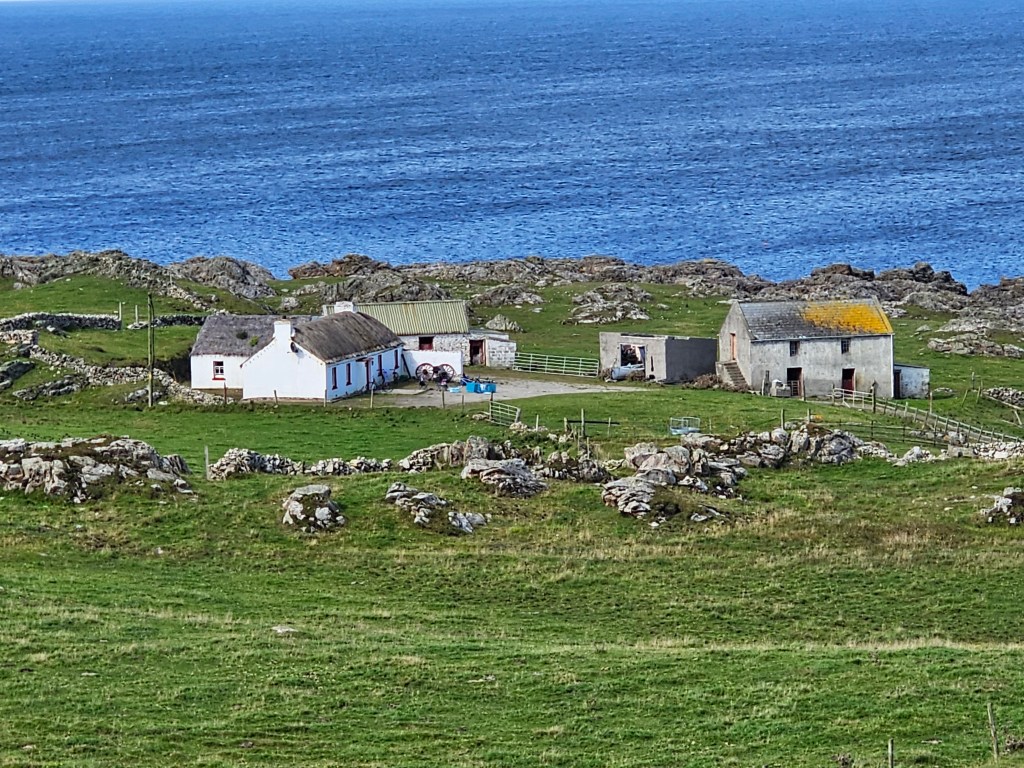
    Below is how the rich lived in olden days.

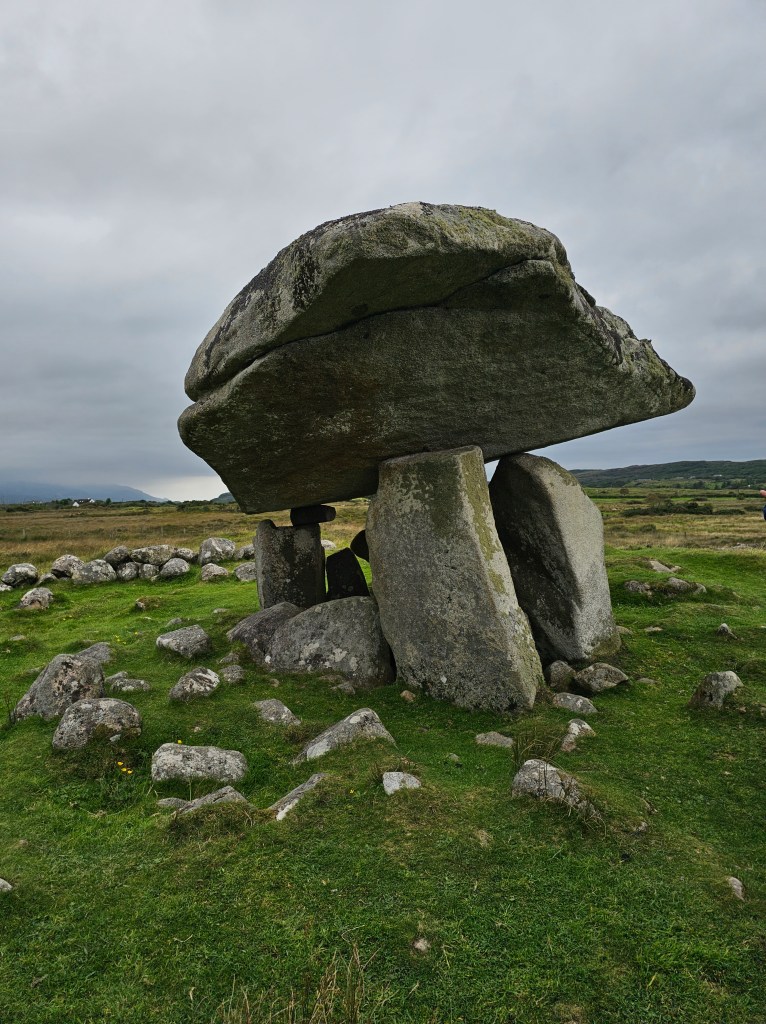
    Above are several millenia old ceremonial and burial remains. Perhaps they will put my remains here?

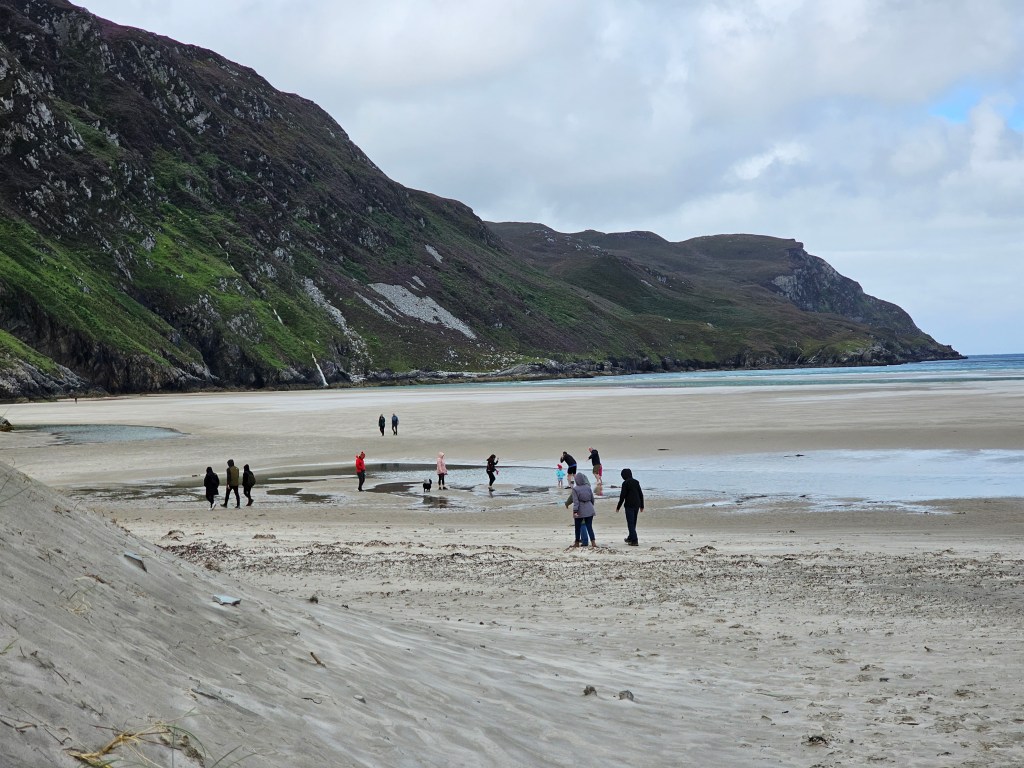
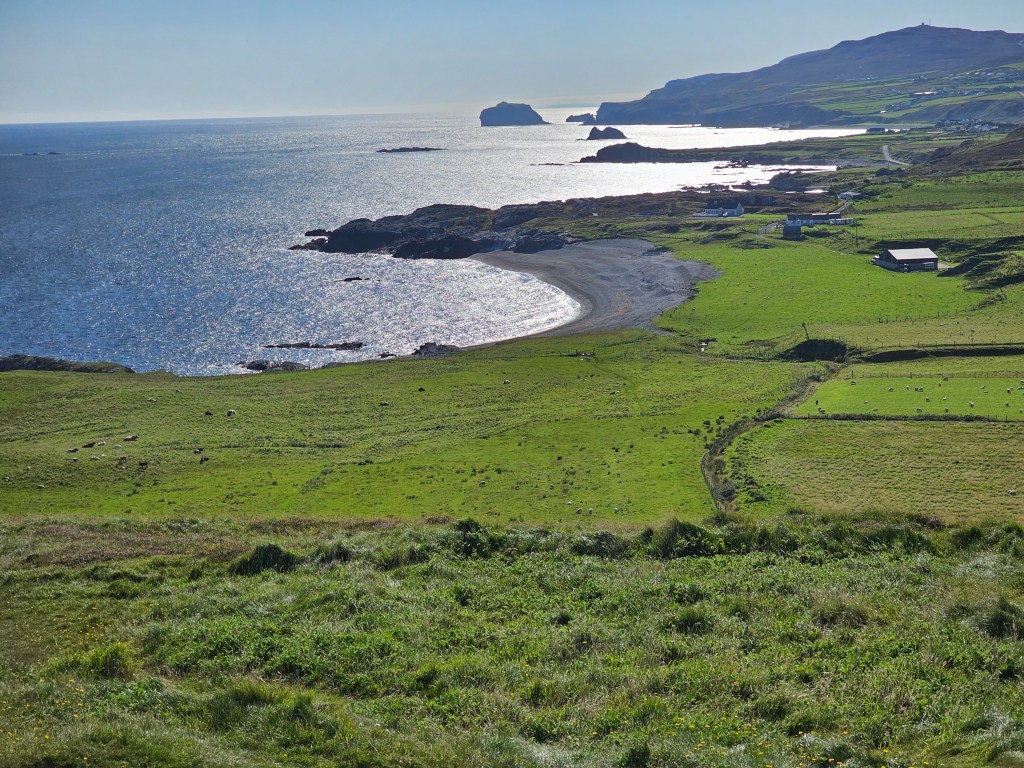
    Dunes and a beach above … smuggler caves below.

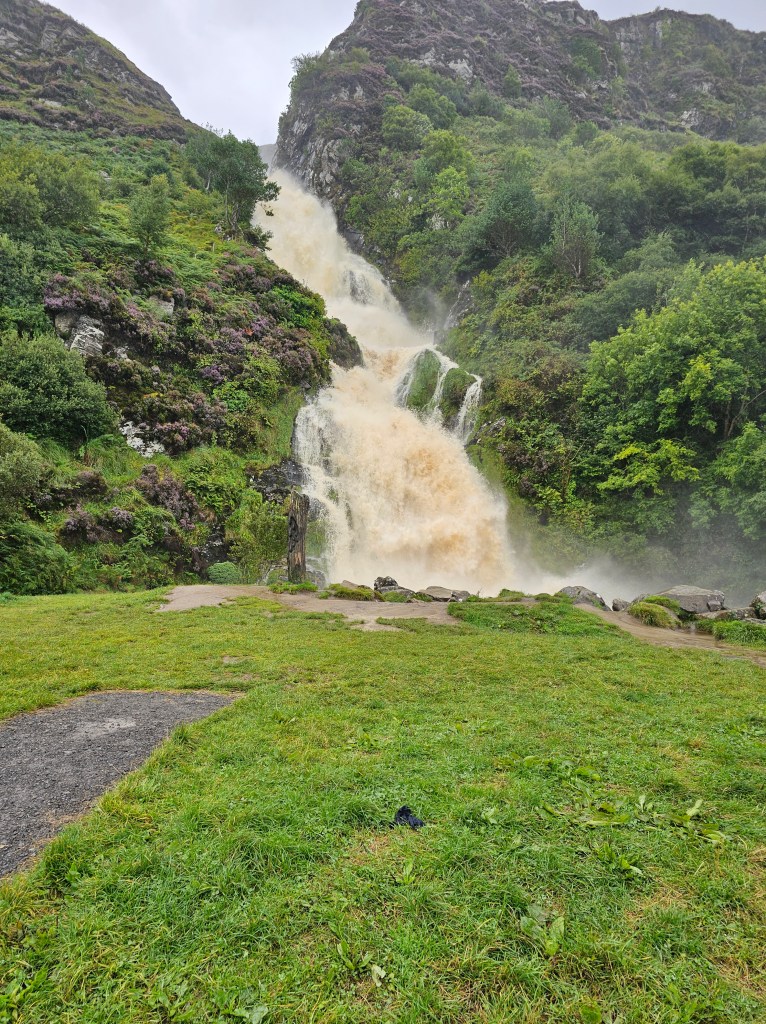
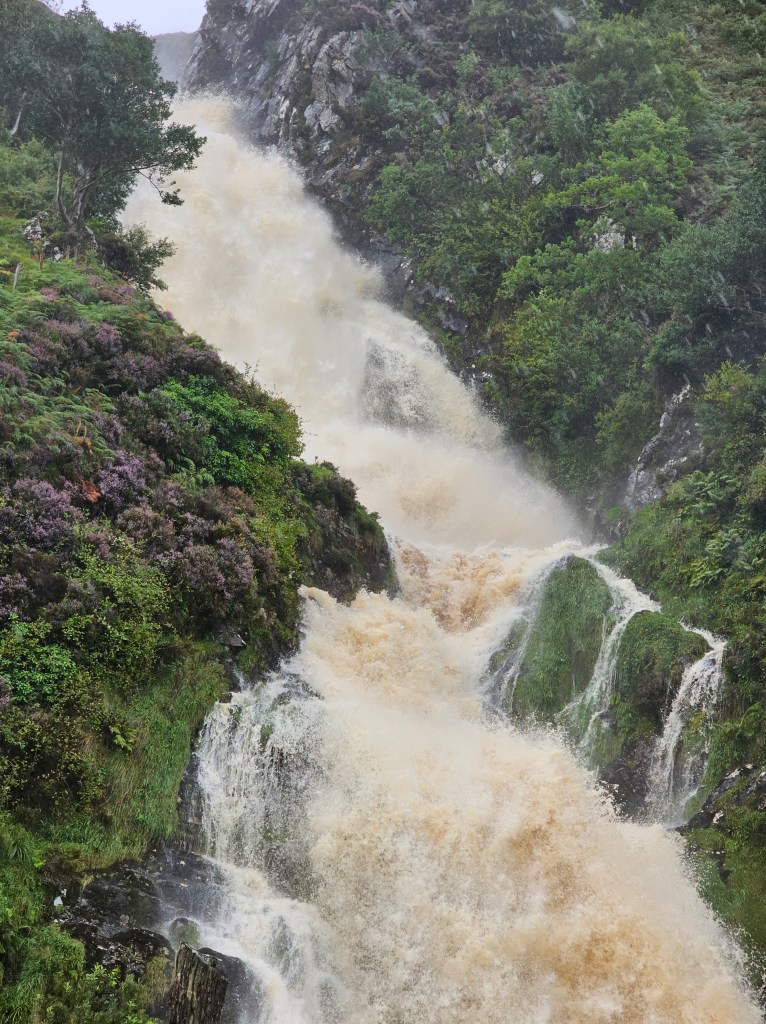
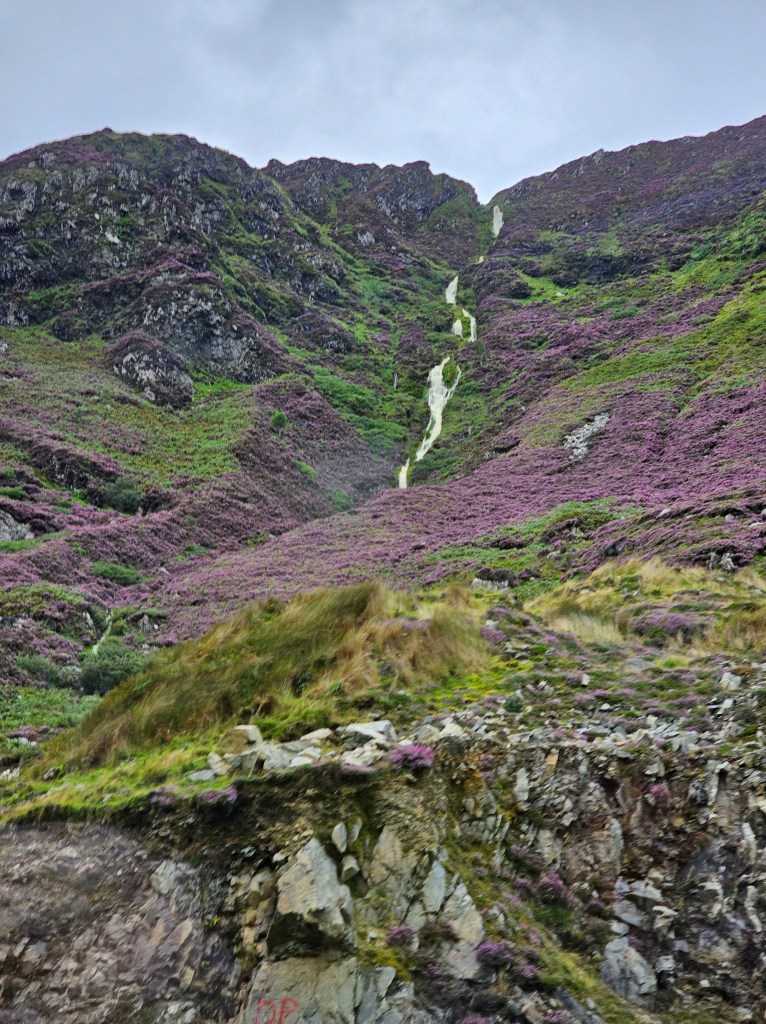
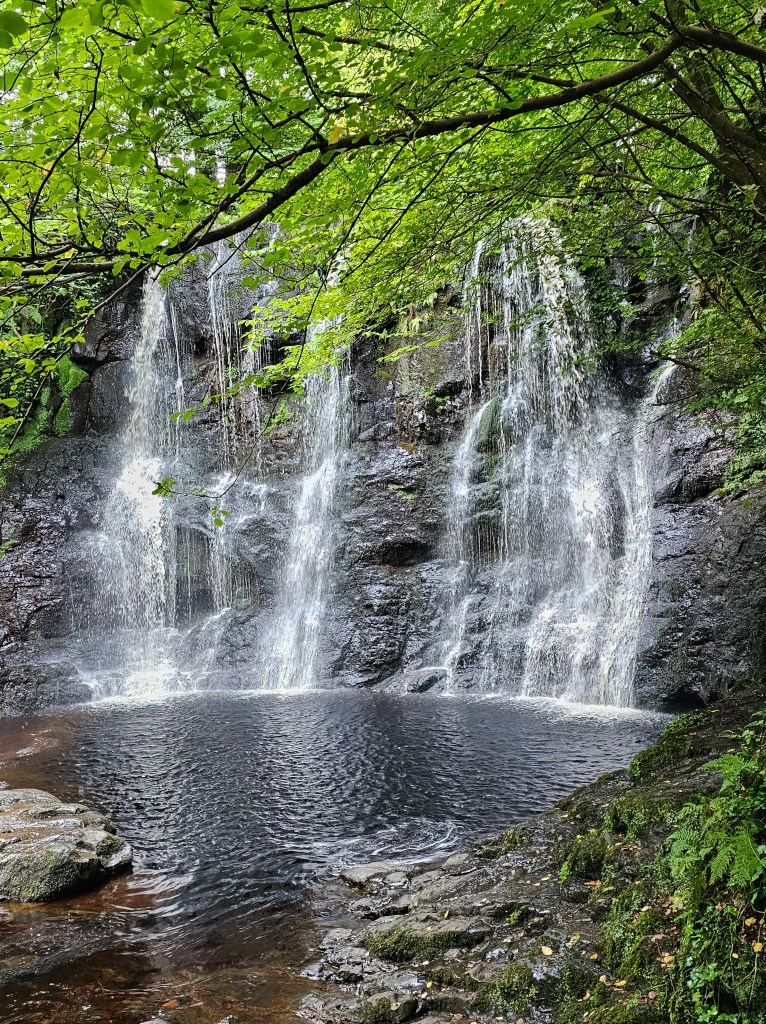
    A robust waterfall after a bit of rain.

  • Ireland’s incredible north coast.

    August 19th, 2023

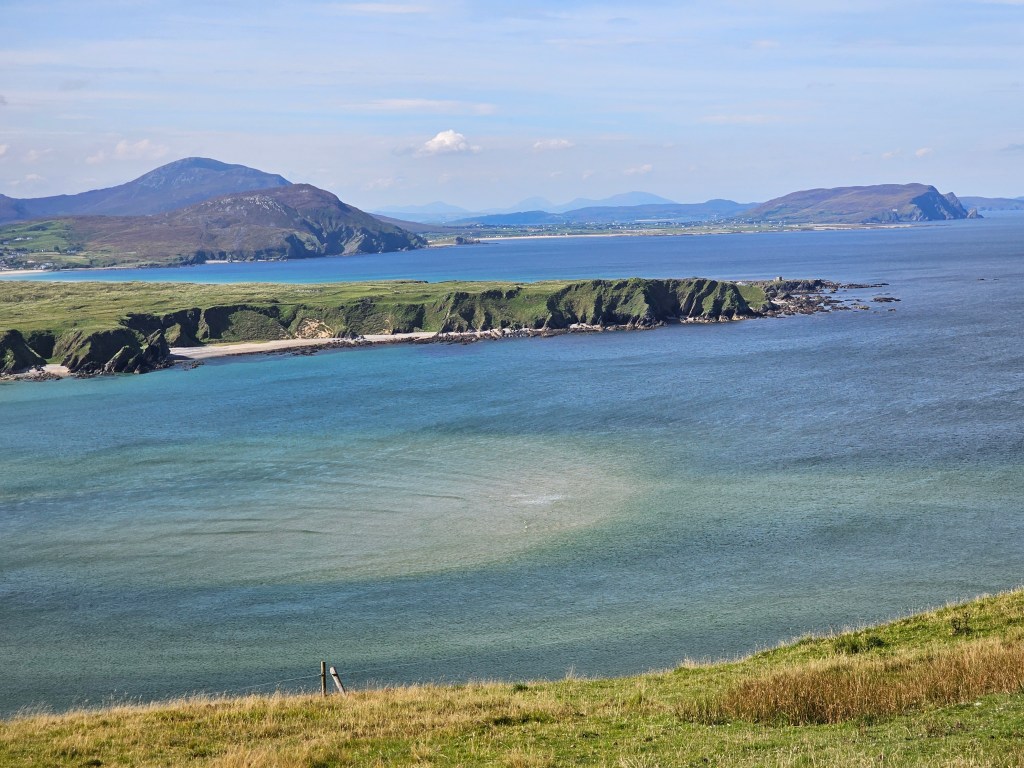
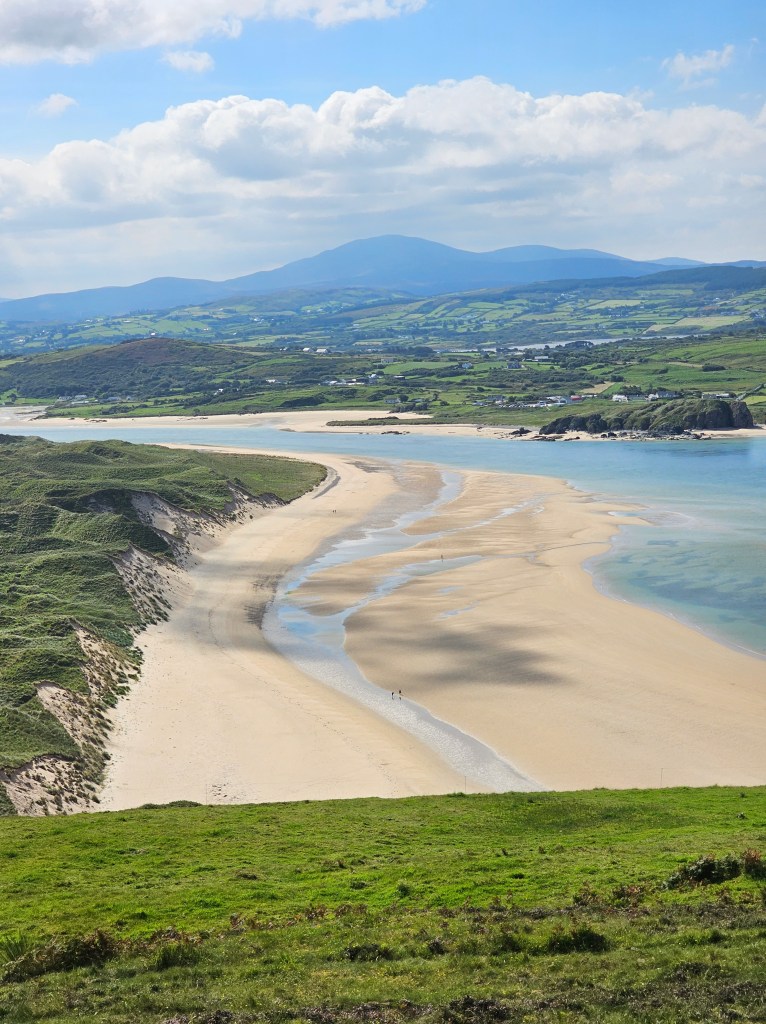
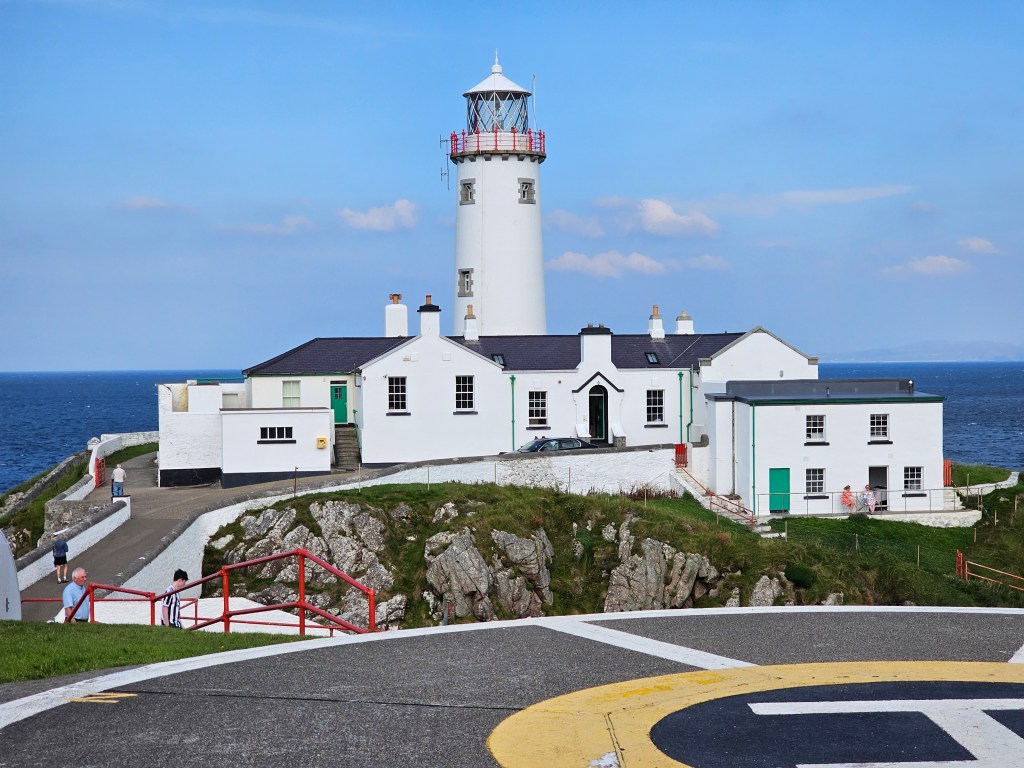
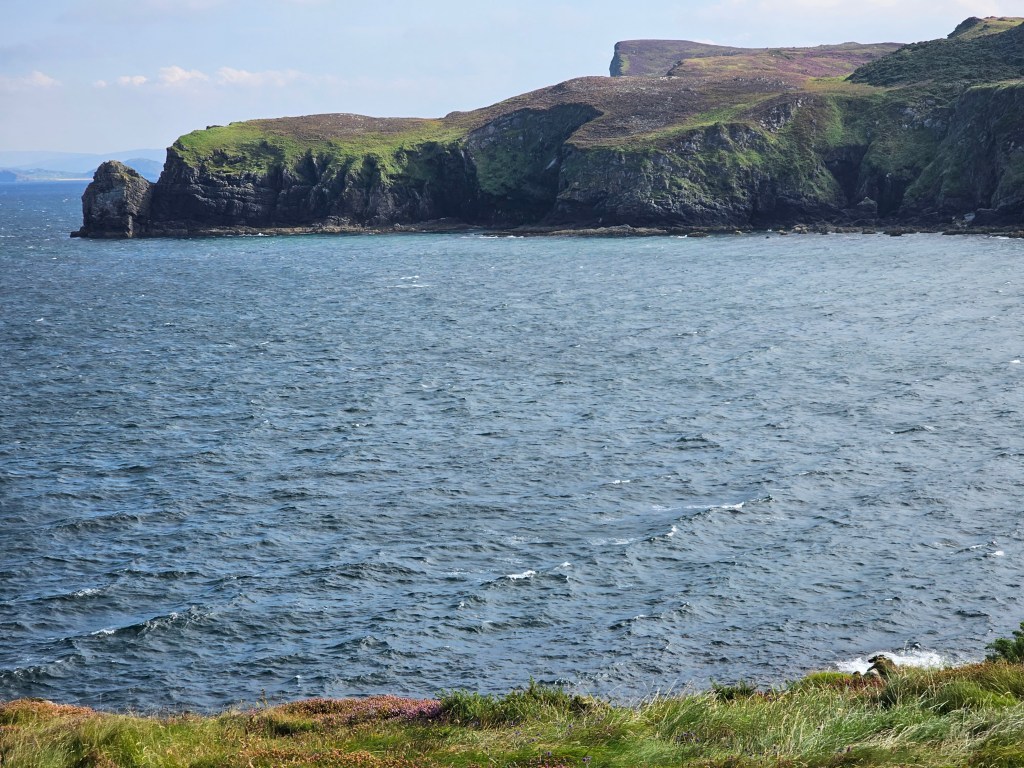
    I’m not commenting at length here, or at all. I’ll let the pictures do the talking.

  • Derry or Londonderry!

    August 18th, 2023

    Continuing on with my discussion of the ‘Troubles,’ this time from the place where the fighting started. This is Derry, as the Catholics call it, or Londonderry which is preferred by the other side.

    When Irish independence was declared (won in hard fought battles) in 1921, Derry was included in Northern Ireland despite having a majority Catholic population. The rules were such that the Protestants held local control for decades, setting up the seeds of future conflict.

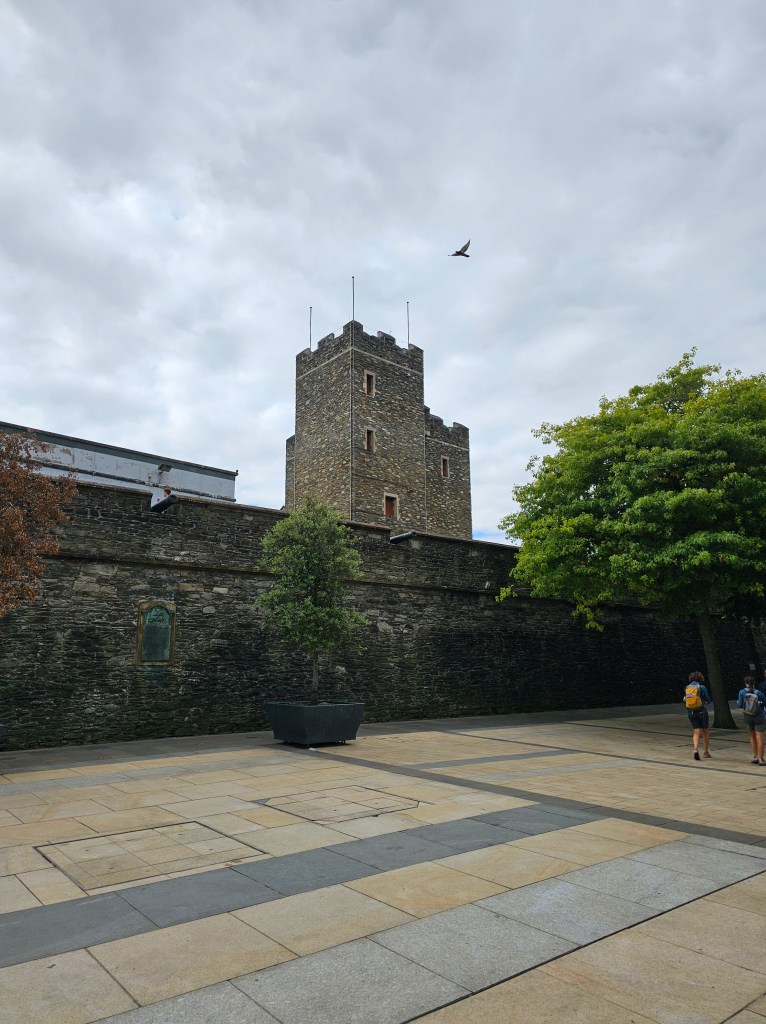
    Historically, it was a walled city, the walls of older times yet standing which is rare indeed. One moment in the Catholic-Protestant divide occurred around 1698. The deposed Catholic King of England (James II) was fighting to take back his throne. As he approached Derry, a group of (Protestant) apprentice boys hurried to close the gate and raise the alarm with the iconic call of NO SURRENDER!

    A long seige ensued with resulted in the deaths of 7,000 of the 20,000 trapped inside the wall. James eventually left and was defeated by William of Orange (his son-in-law) at the Battle of the Boyne, thus ensuring Protestant rule in England and eventually Ireland.

    Below is a picture of the Bogside, which I believe is now 97 percent Catholic. The Protestant minority would March to celebrate the Apprentice Boys and then the Battle of the Boyne. They did so with flourish which pissed the Catholics off no end.

    Finally, inspired by the American Civil Rights movement, the Catbolics, seeing themselves as 2nd class citizens, fought back for the first time in August of 1969. This militancy spread to other cities.

    The conflict exploded in 1972 after British soldiers fired on an unarmed Catholic crowd killing 14. It was known as Bloody Sunday. The British initially whitewashed the event until the British PM admitted total wrongdoing on their part in 2010.

    An earlier set of executions also proved counterproductive to the Brits. At the end of the Easter Uprising of 2016, one that did not have broad support across the Republic if Ireland since many Irish had sons fighting in Europe with the English. But the British summarily executed the leaders of the uprising after shelling the revolt into submission. This enraged the general public and led to a more effective uprising that, in turn, resulted in independence in 1921.

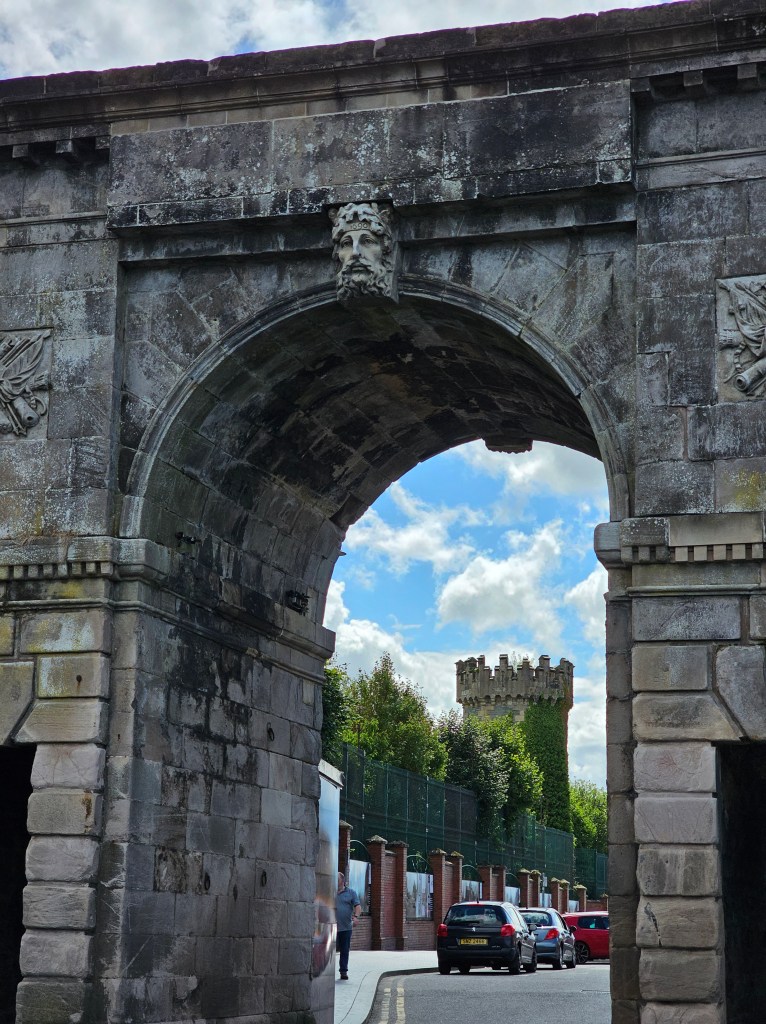
    One entry into the old city.

    Within the old city are some significant churches and government buildings. Like Belfast, there were walls everywhere to separate Protestant and Catholics, some were more recent barriers built atop the ancient city walls. Even churches were not exempt from sectarian conflict. One Presbyterian church near the old wall was further protected by additional structures to prevent missiles and explosives from being hurled from the Bogside direction.

    The court house in the above pic is a good example of the ongoing tensions. It was bombed 13 times during the Troubles.

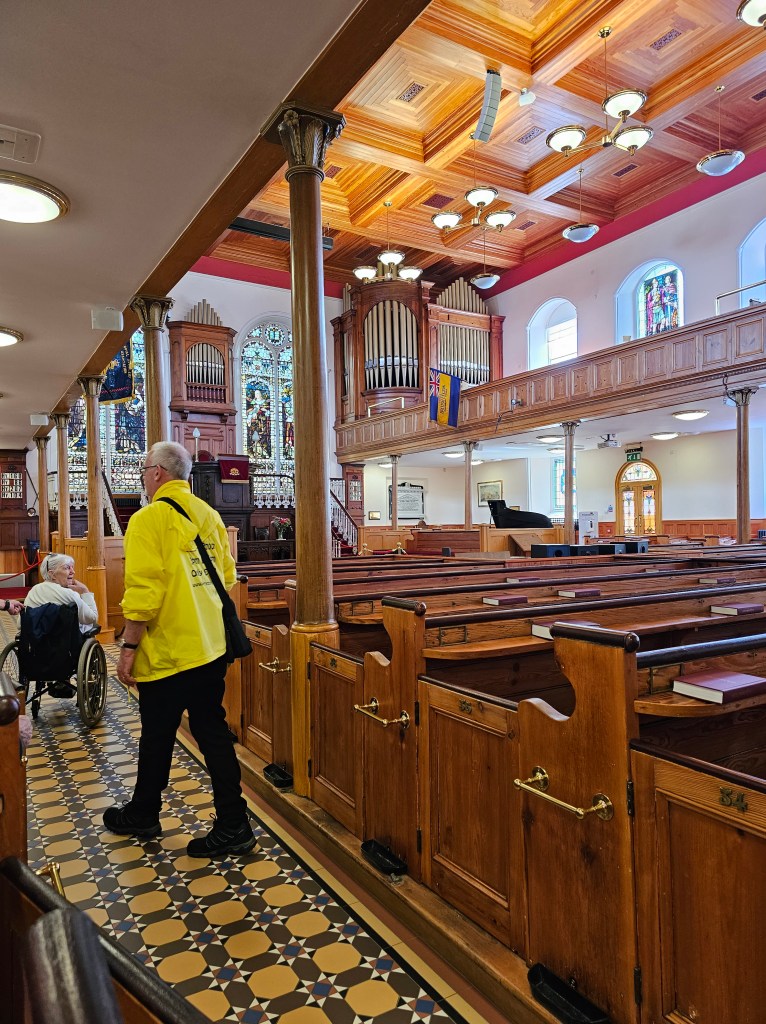
    Peace finally came in 1990s. David Hume won the Nobel Peace Prize, plus the Gandhi and Martin Luther King Peace Prizes. He managed to bridge the gap between the warring parties. In the Protestant church below, Hume, the Chief of The British Police forces, and the local Catholic Archbishop all gathered to commemorate the new and more peaceful era. A miracle indeed.

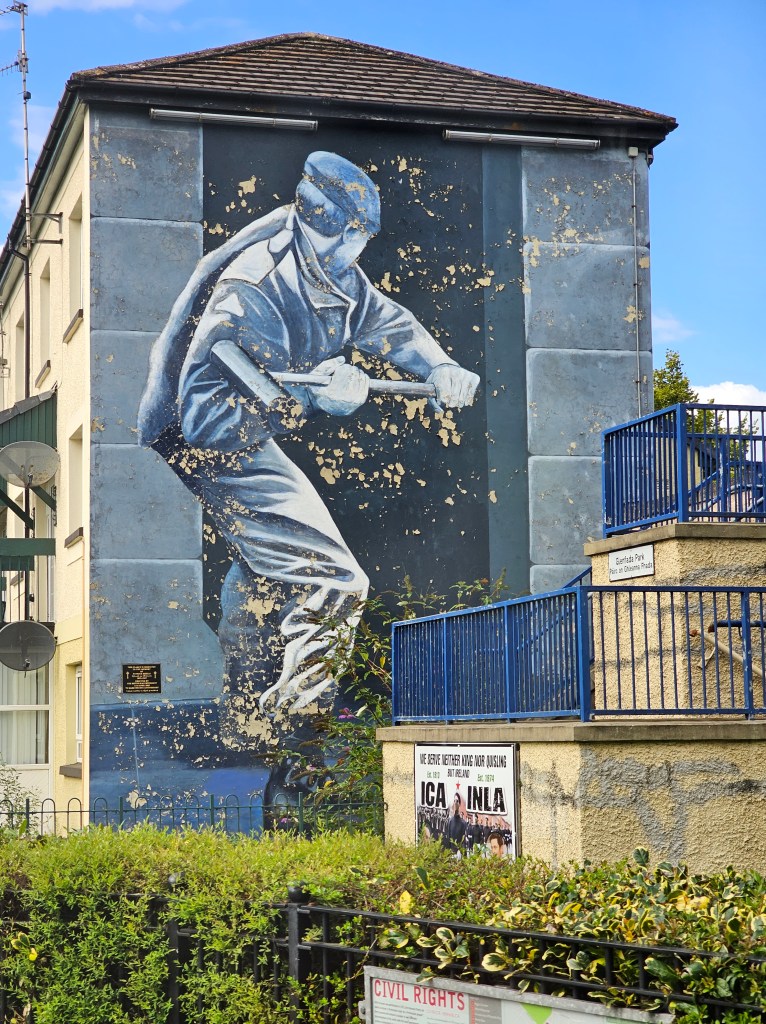
    In the pics below are two of the many murals that are found through the Bogside. I’m not certain of the meaning of the second, but the first captures a British soldier breaking down a door looking for IRA soldiers.

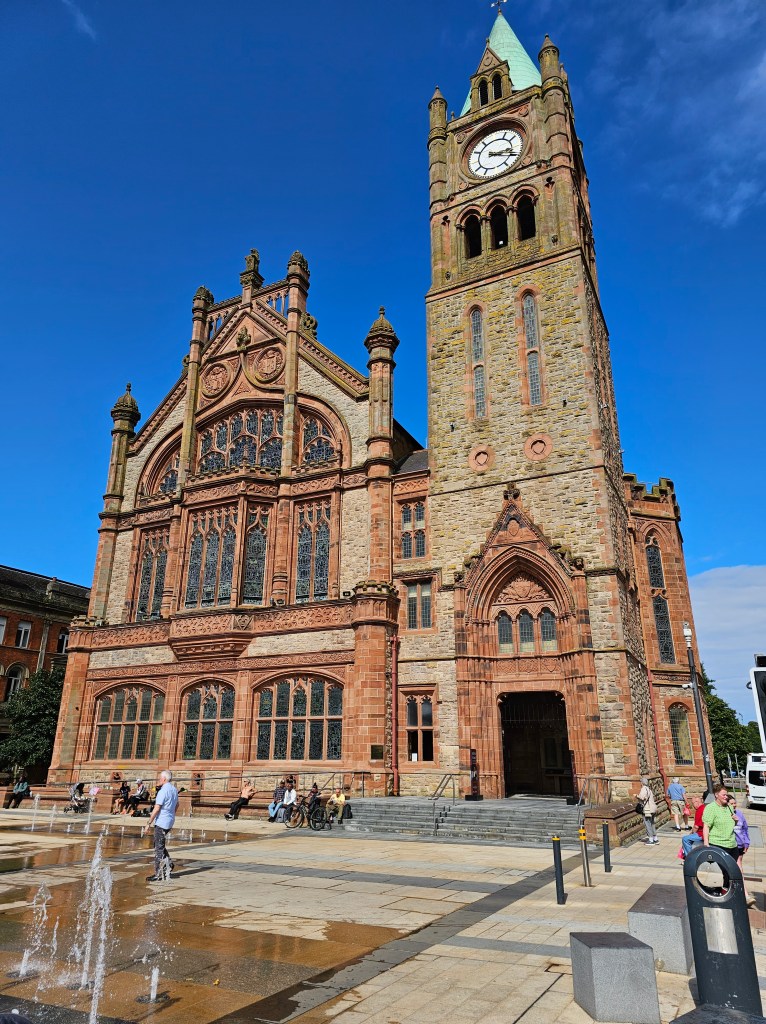
    Below is the city’s Guild Hall. Here, the Peace prizes won by David Hume are on display.

    Hopefully, the Peace will last and sanity will remain. Only time will tell.

  • Antrim Coast.

    August 16th, 2023

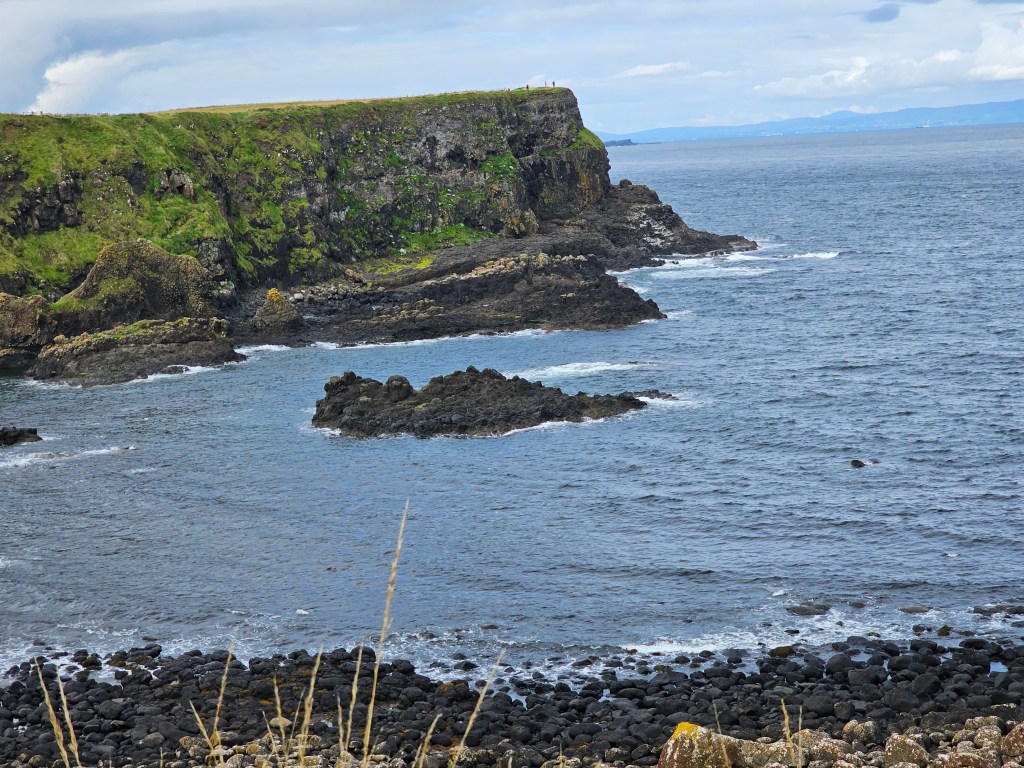
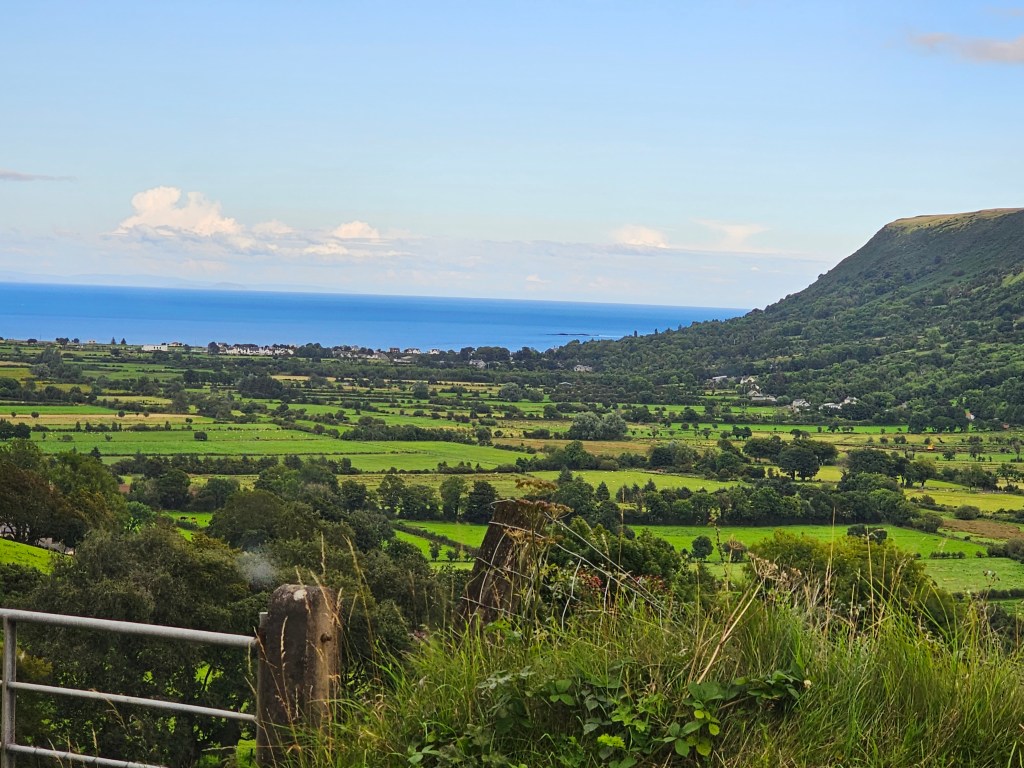
    Scenes from along the Antrim coast in Northern Ireland. I believe I can let the pictures speak for themselves.

  • Belfast

    August 16th, 2023

    A short while ago I wrote about the Irish ‘Troubles’ in a blog. Below are a few reminders of that tragic period. 😥

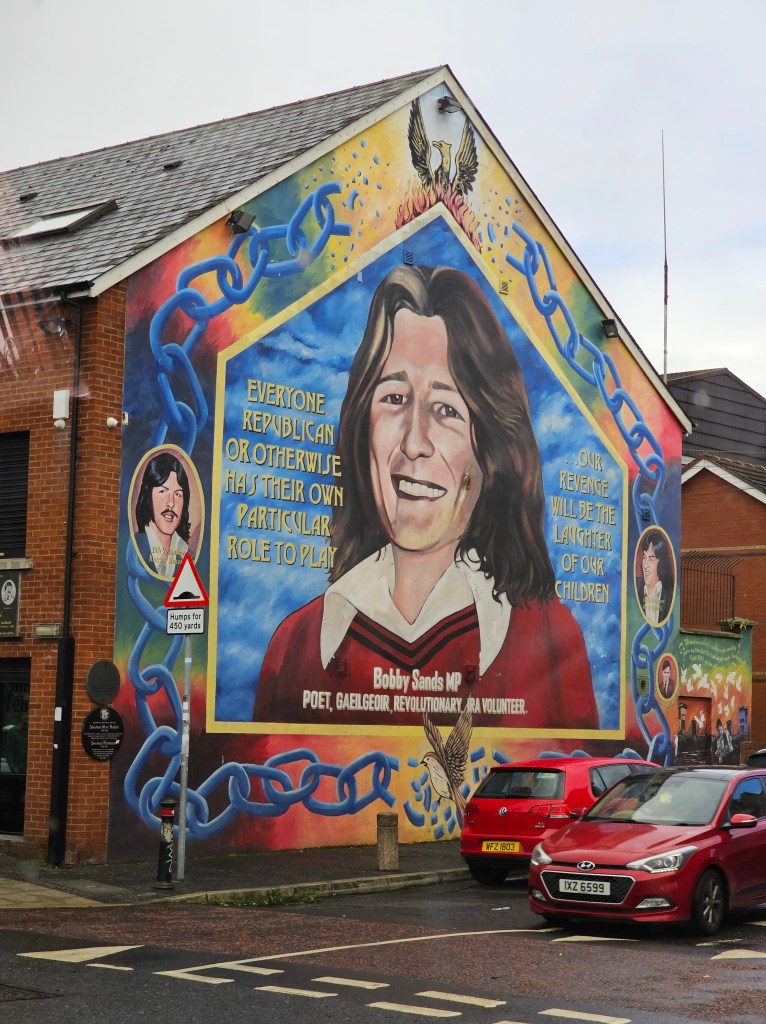
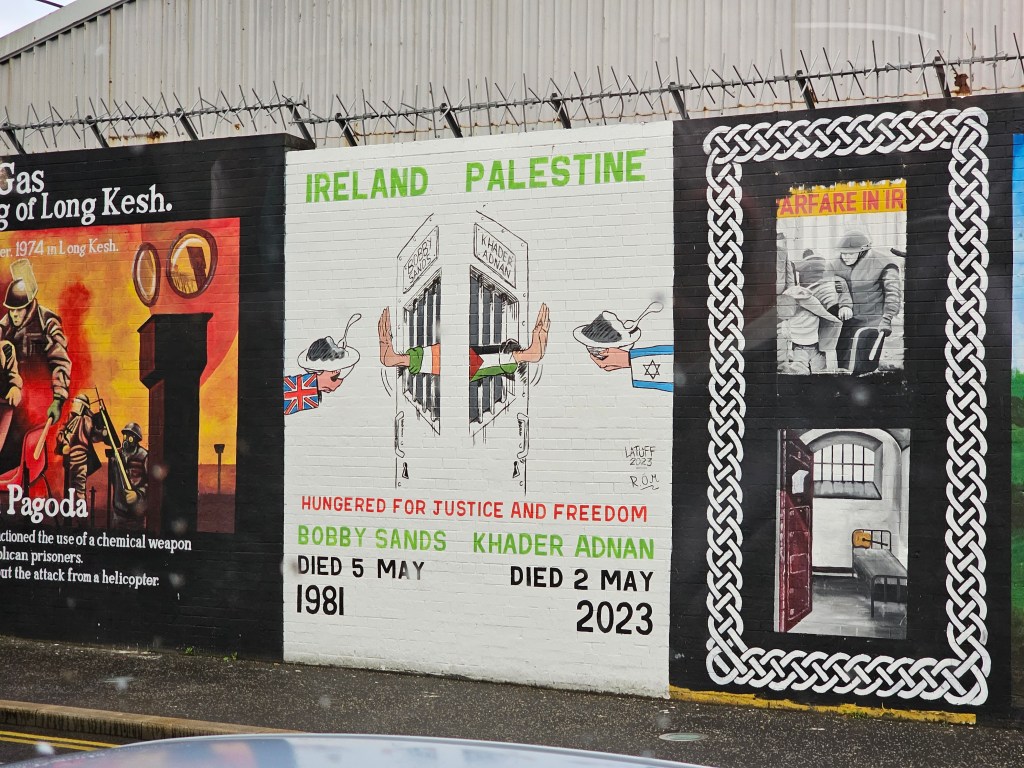
    The history of cultural conflict hiding as religious disputes is found in the art that is present throughout the city of Belfast. This mural of Bobby Sands commemorates his martyrdom in a British prison. His hunger strike in the early 1980s ended in his death after 70 days. Nine others followed his example.

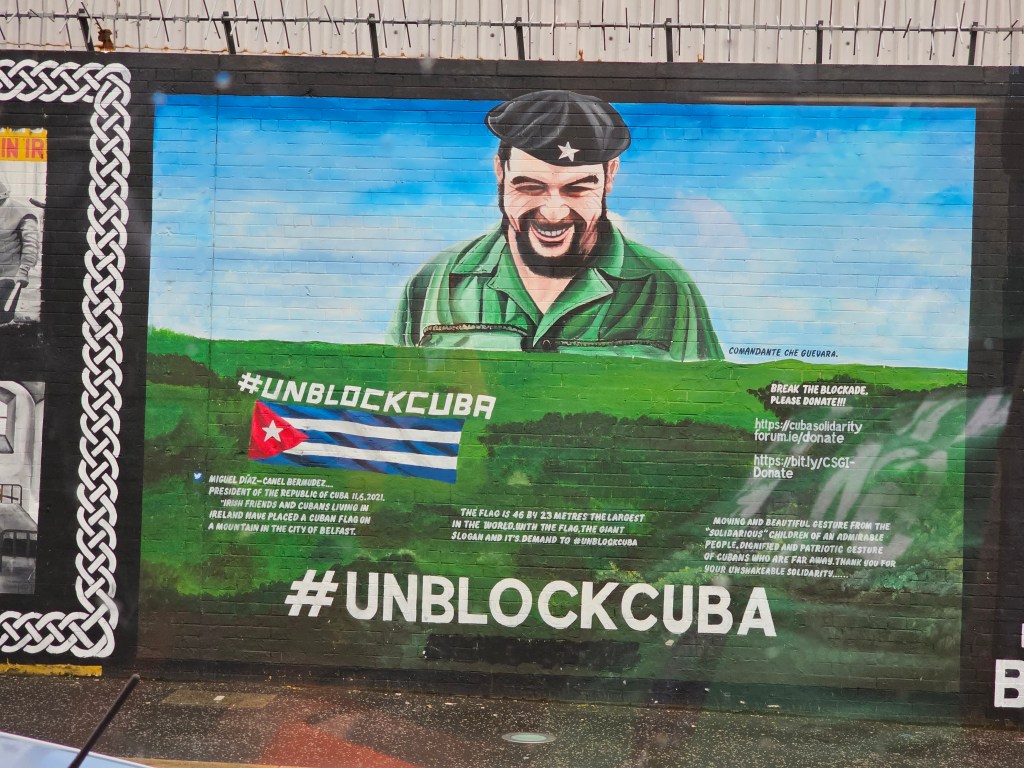
    The Catholic population of Northern Ireland has felt like an oppressed people ruled by another. There murals speak to the causes thay associate with around the world … the Palestinian and Cuban people

    Some of the art you find in Belfast attempts to portray the joy they feel in their sport and their culture, despite their troubles.

    The harshest reminders of the ‘Troubles’ is found in the walls that still separate the Protestant and Catholic communities. These walls are high, very imposing, and run for some 20 plus miles. At night, gates are still closed at 9 PM to prevent crossing across communities

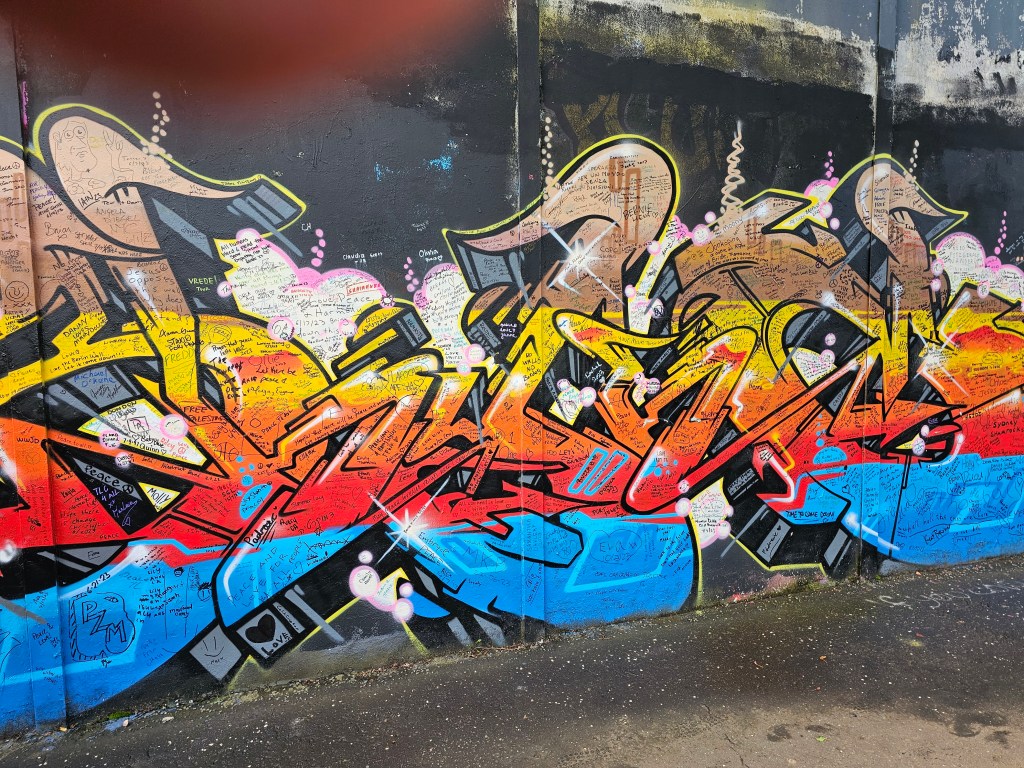
    The base of the walls are often quite beautiful, belying their tragic purposes. It is as if bright colors and dazzling design can obscure the hate and division symbolized by these attempts to separate people from one another.

    If you look closely, the art contains messages of hope and peace penned by many who come to this tragic place as a kind of shrine to insanity. The desperate desire for peace is not easily quenched.

    The Europa Hotel, a place frequented by those seen as oppressors, was bombed some 30 times during the ‘Troubles.’

    I found out on this journey that the Catholic population recently emerged as a majority in the north for the first time. There has been peace since 1998 but no real reconciliation. The Protestant community feels they are losing their privileged position and, feeling threatened, are not happy. As we toured outside Belfast, it is apparent that smaller communities are divided by these ancient religious animosities, and have been for some time. You can tell their affiliation by the flags you see flying … either the ‘bloody hand’ or the tricolor Irish banner.

    There is a sense of unease in the land.

  • DUBLIN REDUX.

    August 15th, 2023

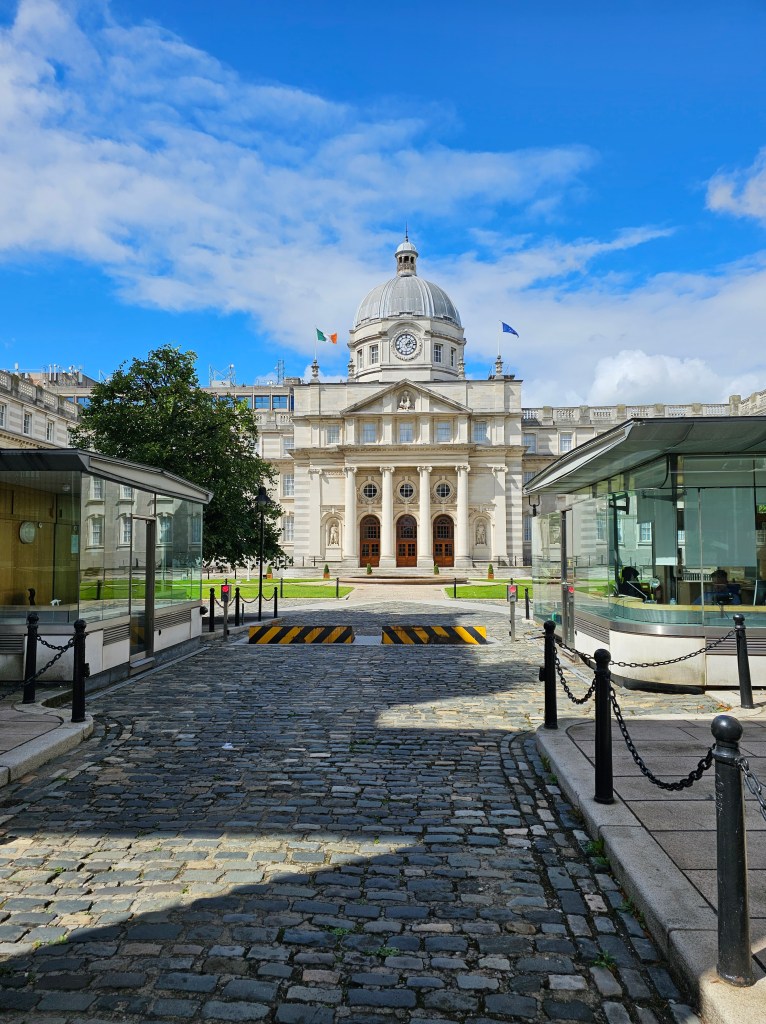
    Final day in Dublin before heading north. A few highlights: First pic is of the parliament building of the Republic of Ireland, a self governing nation since 1922.

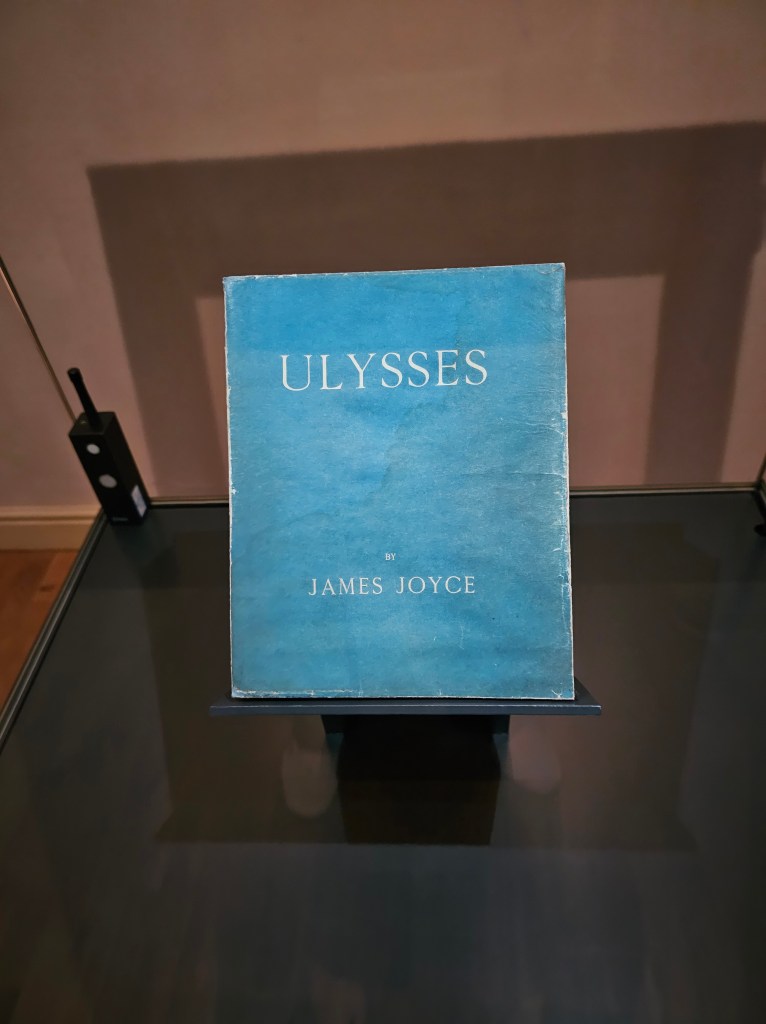
    We also spent time in the Museum of Irish Literature. The Irish are enormously proud of their writers and poets. The next pic is of a first edition of Ulysses by James Joyce. It is sometimes considered the greatest work of the 20th century.

    Spent some time in the National Gallery of Art. Like the Smithsonian complex in Washington, there are several separate galleries, all free. Some lovely pieces of many genres there.

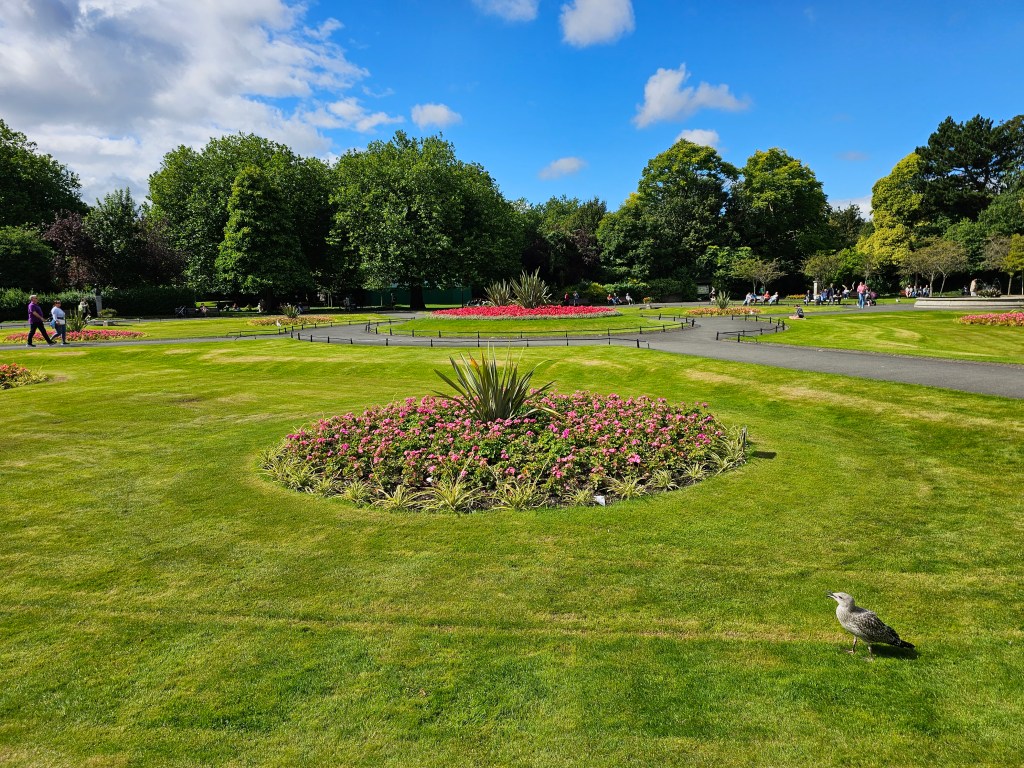
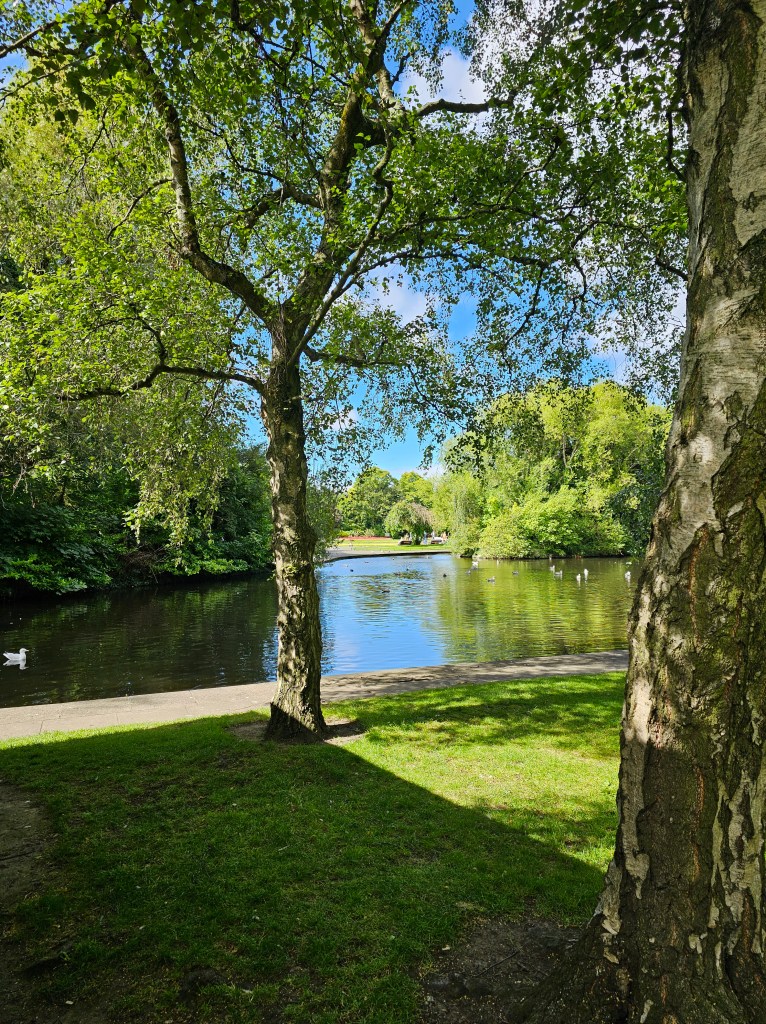
    There are parks throughout Dublin. Here is one.

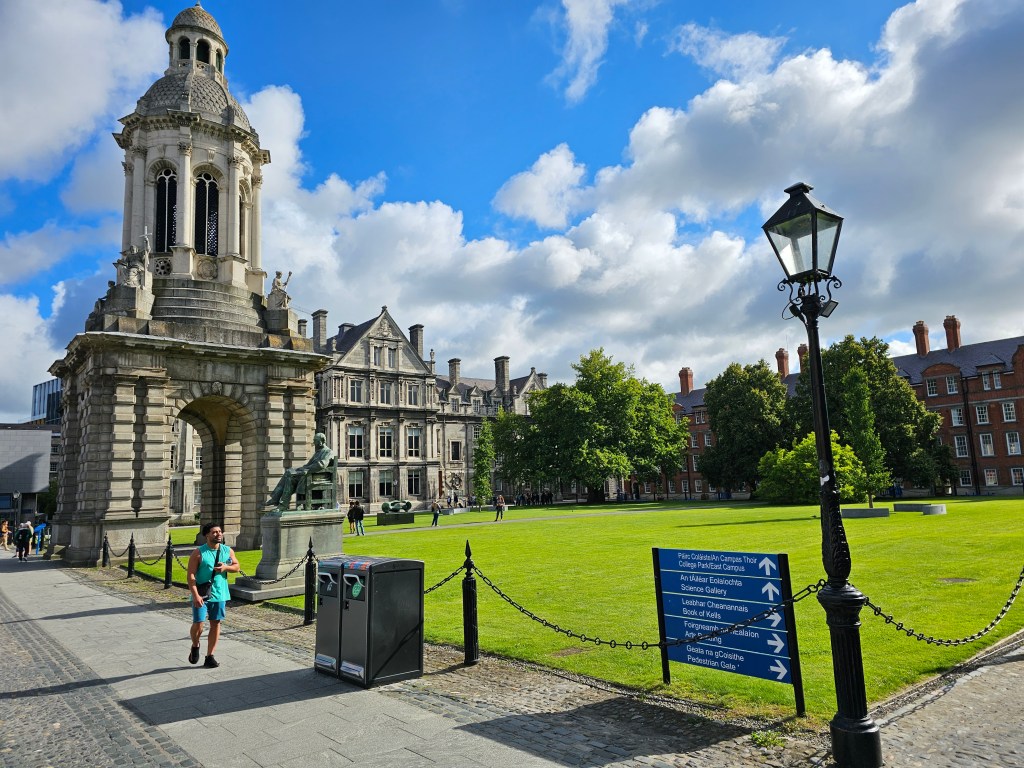
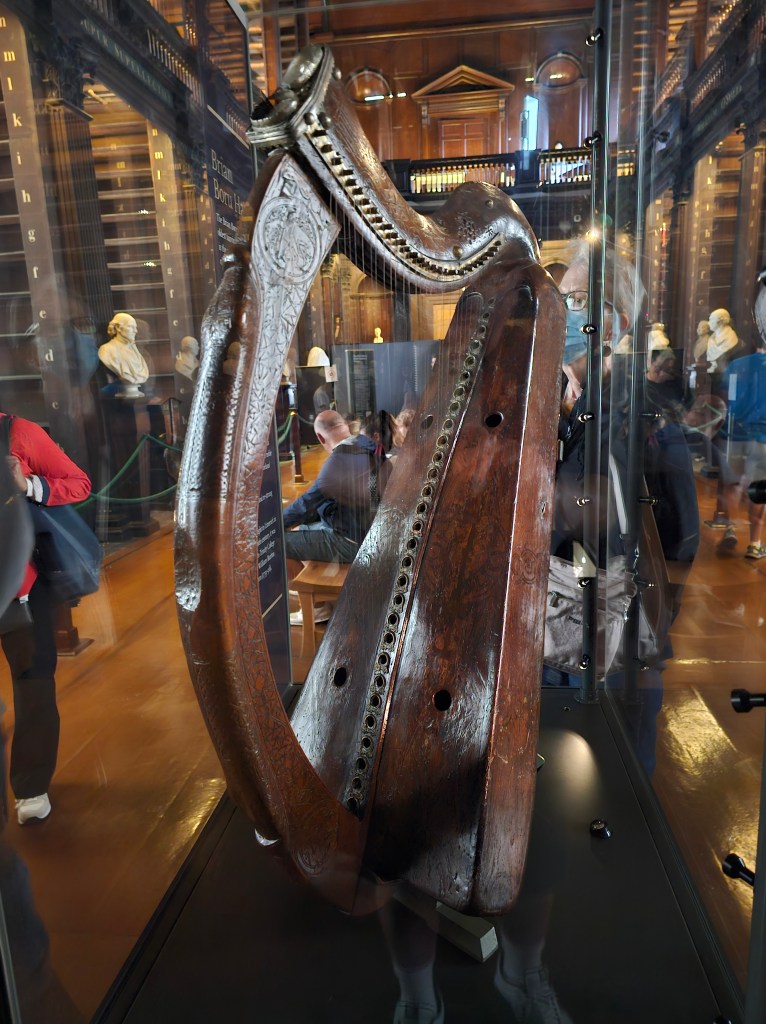
    Trinity College. Started by Elizabeth 1st in 1598 I think. Catholics were not allowed to enroll for several centuries. The library (see below) is a wonder. I’ve also shown the Harp of Bryan Boru, an early Irish king. Okay, it really isn’t his!

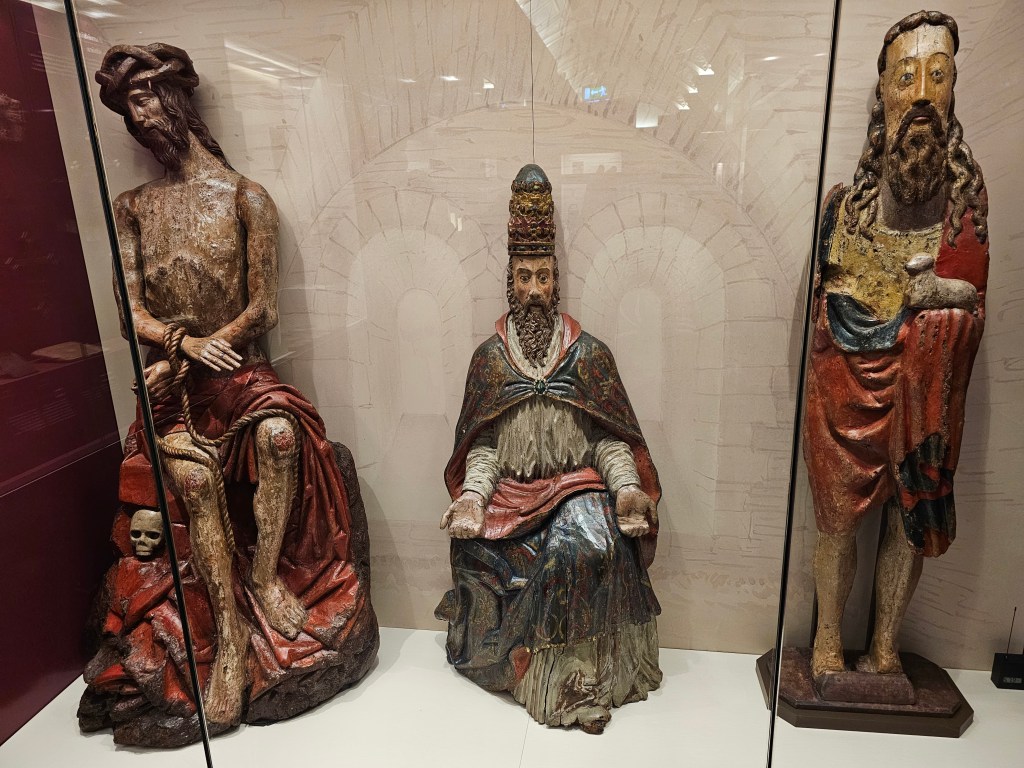
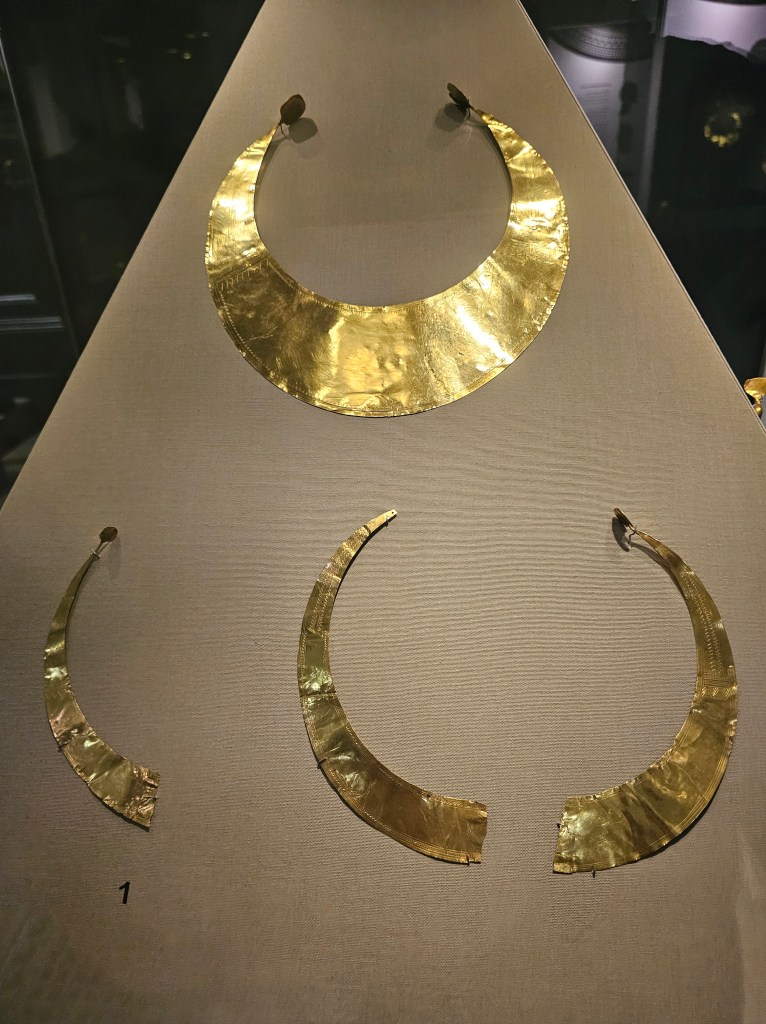
    We spent time in the Museum of Archeology. Fascinating place in a gorgeous building. Several items pictured below.

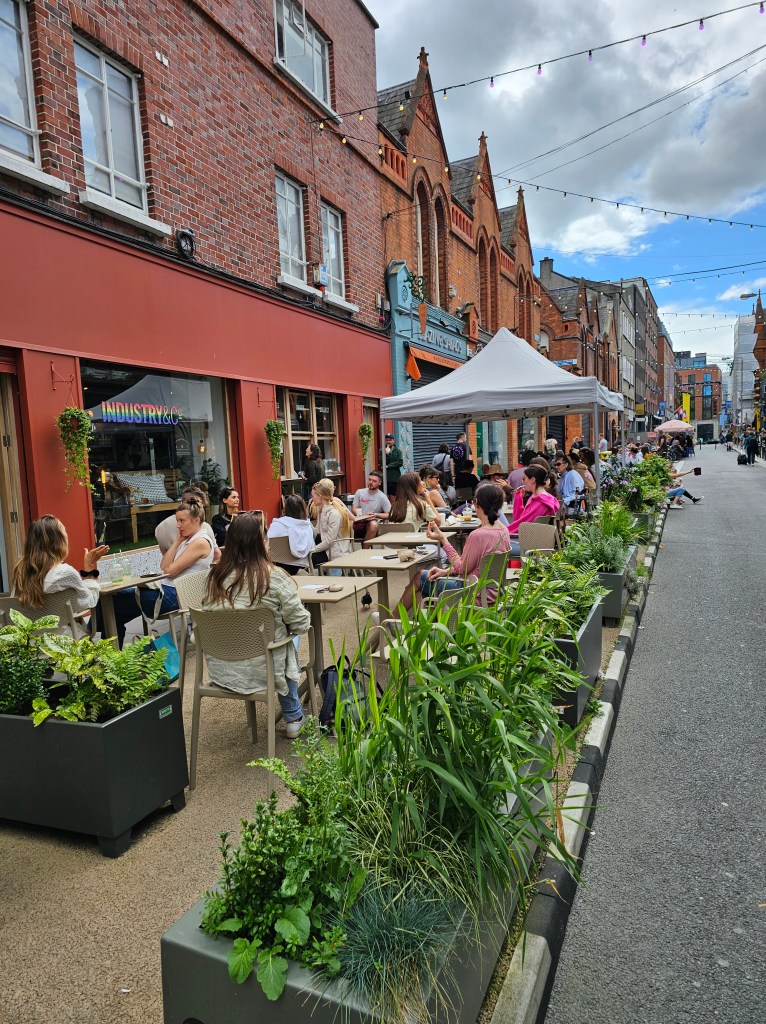
    We’ve had great weather and beautiful parks to explore. More than that, there is such a party atmosphere all the time with many outdoor places to eat and drink, music pouring out of many pubs, and much beauty. A fascinating city.

    Last night as I heard so many languages and dialects on the thronged streets, I mused that I just might be in New York. Dublin is no longer a backwater city, as it was during my last visit in 1969.

  • Dublin!

    August 13th, 2023

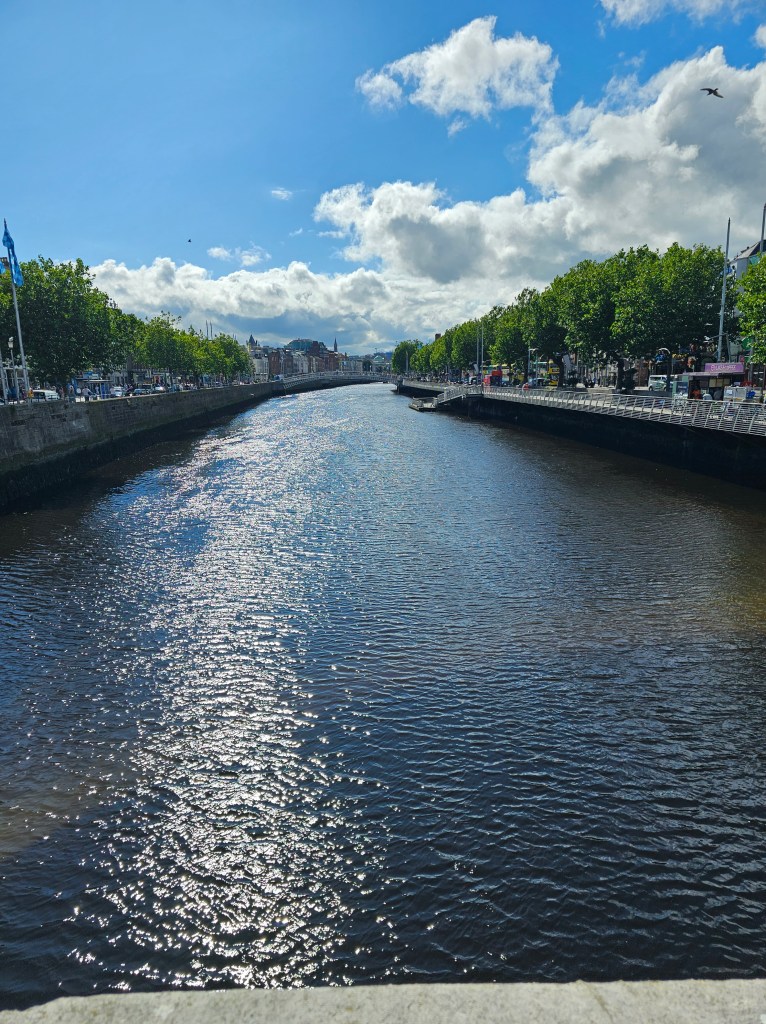
    This is the River Liffey, running through the center of the city. The Vikings first raided the place and then settled here in the 800s. It has been the site of British power and, more recently, the heart of the Republic.

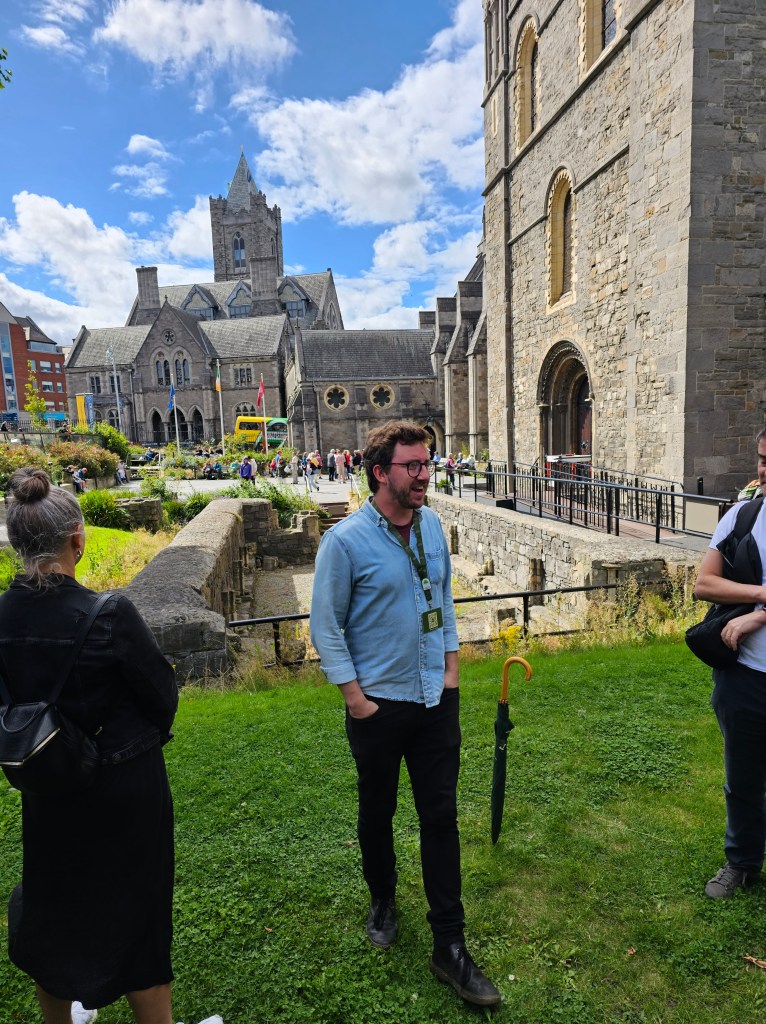
    Had a wonderful tour of central Dublin yesterday. Great guide. So much history of my tribe!

    August is tourist month for sure. The Temple Bar district is hopping with people, pubs, music, and excitement. Dublin is far different than it was in 1969 … my last visit.

    More to come!

←Previous Page
1 … 17 18 19 20 21 … 31
Next Page→

Blog at WordPress.com.


Loading Comments...
 

    • Subscribe Subscribed
      • Tom's Musings
      • Join 41 other subscribers
      • Already have a WordPress.com account? Log in now.
      • Tom's Musings
      • Subscribe Subscribed
      • Sign up
      • Log in
      • Report this content
      • View site in Reader
      • Manage subscriptions
      • Collapse this bar