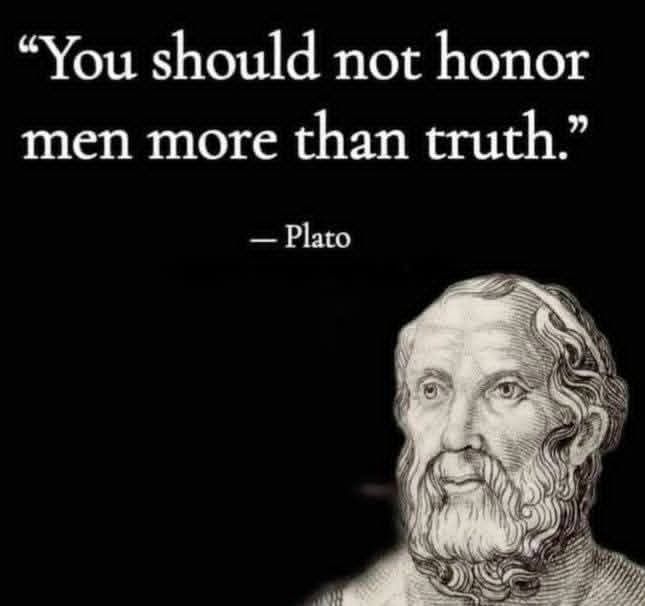
Some of you may recall that I started this blog after I had, once again, been banned from Facebook for life. It turns out that my several lifetime bans were mere illusions even though they sounded permanent at the time. After a rather long hiatus, I once again worked my way back on, mostly out of spite, some time earlier this year. Within a few weeks, I was back up to the number of maximum friends permitted … 5,000. As of today, my total friends and followers is approaching 5,800.
Better still, they now seem to be leaving me alone. My guess is that they found the task of enforcing their version of so-called truth while eliminating inappropriate behaviors on their platform a task beyond even the pay scale of Mark Zuckerberg, not that they were ever any good at it.
The attempts by Facebook, or Meta if you will, to police their own network were comical beyond belief. I have no idea what atrocities they permitted to remain on their site, but I was routinely punished for posts that were utterly harmless, either being genuinely funny or perhaps a tiny bit provocative.
How could I be banned for posting a picture of Jesse Owens getting a medal during the 1936 Olympics in Berlin? But I was! Or be banned for an ironic post saying that all Democratic voters would vote on Tuesday, election day, while all Republican voters should vote the next day. That obvious joke got me penalized.
The powers at Meta must believe that the MAGA crowd is even dumber than they look. Either that, or the tech- bro uber powers suddenly started injesting stupid pills.
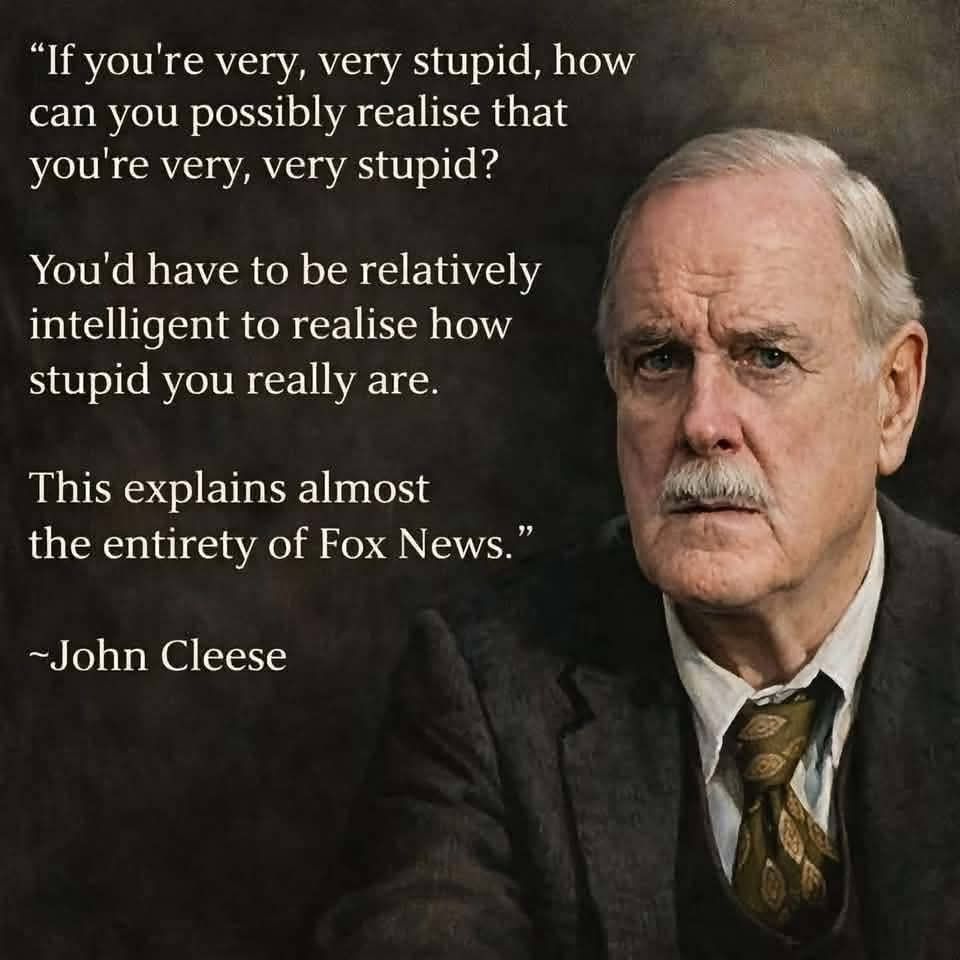
I strongly suspect, however, that I should give them the benefit of the doubt. It is a Herculean task to monitor the billions of posts on their site. Perhaps no one could have done such a task well. Still, it must be acknowledged that their own performance was especially pitiful. In the end, those sad and frustrating days when each post might (sometimes was) be my last did motivate me to start sharing my thoughts in this form. Perhaps I should thank Mr. Zuckerberg for the nudge.
In any case, my complaints on this matter got me thinking on a related blessing … that of having an active, decidedly inquisitive, mind. Until this most recent election, I had grown weary of watching millions of people vote against their own interests. In one election after another, we saw less affluent and poorly educated white males vote for candidates, and for an agenda, that clearly violated their own personal needs, situation, and interests. I am indeed aware of all the explanations for this. Yet, I keep wanting to shout … ‘what’s wrong with these cretins, can’t they think for themselves.’

Time after time, they fell for what seemed to me and my friends to be the oldest misdirection play in the book. You distract working- class voters with some emotional, yet largely trivial, issue while engaging in a redistribution of wealth and opportunity from their aggregate pockets to an egregiously rich elite. Since the Reagan revolution, about $80 trillion dollars has been diverted from the working classes to a small cabal of winners. Today, that laboring class enjoys their smallest portion of the economy’s production im history while the owners of capital enjoy their largest share of the whole pie. And those trends have been escalating recently, at least until the latest election.
This neo-liberal revolution has occurred with the willing support of many of the very people being fleeced. Have you ever wondered why the more sparsely populated counties (and states) in the nation are the most conservative. Look at any map depicting recent voting patterns. The reddest counties and states are disproportionately located across the south and sparsely populated states in the west. These are also places where educational sophistication is decidedly lacking. If you cannot think clearly, you can fall for most anything.
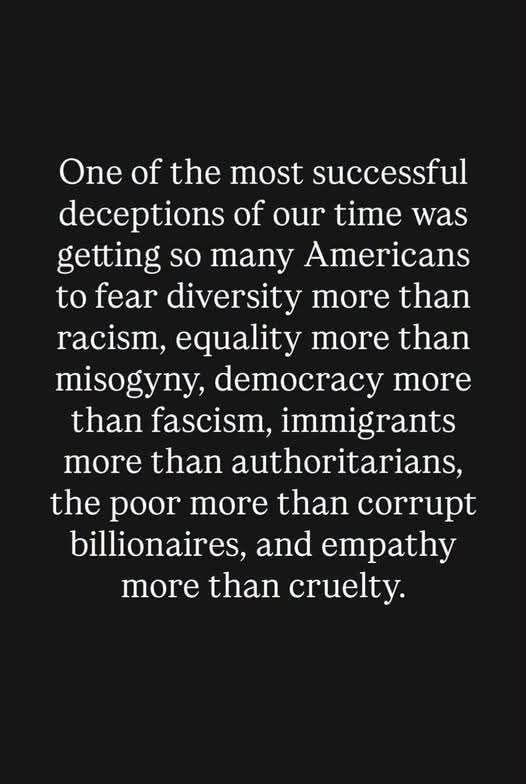
That reality got me thinking. How did I become me? I grew up in liberal Massachusetts. Everyone around me was a Democrat. Still, I was entombed in a conservative, white, Catholic, working class culture in which a form of narrow minded tribalism prevailed. Not only were the usual class and racial divisions alive and well in my world, but religious and ethnic relations were decidedly hostile. The Catholics saw themselves as superior while a hierarchy of white ethnic Catholic groups actively vied for respect within their very own tribal world. It was not a cultural milieu from which acceptance of others and wide liberality might emerge.
But that’s is exactly what happened for me, and at an early age. I went from a rule following youth studying to be a priest to a college rebel leading anti war protests almost over night. The question remains … how, and why? Was I hard wired in that direction? Was their something in my nurturing environment that was critical?
I think a neighbor of mine recently made an offhand comment that provided a clue. He grew up in a remote, rural part of Northern Wisconsin to become an eminent phycian and researcher who has long been convinced that Trump is a Russian asset, which is getting quite hard to dispute.
While revealing his past, my neighbor mentioned how fortunate he was to stumble upon an attraction to what he termed a ‘a life of the mind.’ He went from a rural school house from which few fellow students went on to higher education to achieve a national reputation as an infection disease physician and top research scientist at the University. Through his long and distinguished career, he brought this essential attribute with him.
I focused on his seminal thought … his attraction to a life of the mind. There was something there that struck me as essential and critical to what I had become and what the people I admired most also seemed to possess. It was not material success, nor even any career achievements. Many folk had advanced themselves via sheer will and aggressive tactics. Yet, what these so-called successful people sought with desperation seemed, in the end, shallow, self centered, and lacking any larger meaning.
No, then there were the others which I admired … those special people (to me at least) who never stopped searching for answers to the great mysteries of life. They were the ones who read widely and passionately, not to achieve some metric of success, but to seek resolutions to quite impenetrable conundrums, knowing that the end of their search would lead only to additional queries. Very often their search for meaning and truth focused on ends devoted to the betterment of society. They had that basic quality rather unique to humanity … empathy!
These were the individuals whose minds were restless, where each conclusion typically led to even more questions. Such individuals constantly enjoyed debates within their own minds, constantly assessing and evaluating the world about them. For them, there were never any certainties. They relished ambiguity where others demanded certainty. They sought opportunities to figure things out on their own rather than seek authoritarian prescriptions.
Memory is a deceitful mistress, especially ancient truths. Still, I can recall devouring any printed material available to me at an early age. There wasn’t much at home but I would consume it with the passion of an addict. Though I spent too much time roaming the mean streets of my working class neighborhood, I would routinely make my way to our local library, a journey typically taken on my own. Even at a young age, my restless mind was at work, though mostly as a solitary obsession.
Immersing oneself in a life of the mind is not an easy place to be. Certainty is difficult to achieve. Doubt is a daily companion. One can, one really must, approach life’s questions from a variety of perspectives. One must see issues in nuanced and complex ways. This pushes the observer to look at issues from a variety of perspectives. While this can pose difficulties, or at least challenges, there is one good thing about this approach to life. You are never bored. At your fingertips is a cornucopia of impenetrable questions.

There is a possible downside. You might never be a conventional success in life. The neighbor I mentioned above is, in fact, a traditional success in his field. He is a better man than I. He had enough energy and discipline to never lose that inquisitive need he developed as a young man even as he enjoyed much professional notoriety. His mind continues to search for new questions to explore even in his mid- 80s.
While continuing an active clinical practice at the University of Wisconsin hospital, he reads widely and voraciously while constantly sending me articles he finds interesting. While I cannot hold a candle to his admirable accomplishments, we are driven by the same needs as we pursue similar, though elusive, windmills.
As I wound my way through an eclectic and serendipitous career, one thing stood out. I could not focus on the smaller, narrow academic issues which attracted my colleagues. I would tell others that I had the attention span of a gnat. I found the world about me to be what I considered a social policy candy store (policy being my arena). There were questions and challenges galore, many of which vied for my attention. Alas, too many were fascinating, their very degree of difficulty attracting me. Thus, I never could focus on just one.
And so, I found myself flitting from one issue to another. That is decidedly disadvantageous for a scholar but clearly beneficial if you wanted to approach more complex issues with some creativity … especially if you are drawn to what we call lateral thinking. And I believe that is how others saw me … a thinker who saw unusual connections among seemingly distinct phenomena.
While I realized I would never be a conventional scholar, I could never give up my restless mind and unquenchable curiosity. That would be like severing a critical part of who I am. Nor did I ever expect to solve the social issues and challenges that continued to fill my policy plate. It was the difficulties intrinsic to the several problems on that plate that intrigued me, especially the fact that those policy questions I confronted throughout my career were multi- dimensional in character. They involved a host of technical, political, emotional, and administrative aspects. The intricacies were both endless and fascinating.
Most importantly, I was never bored. And by finding a way to stay within a university culture (by raising much of my own resources), I could remain free to pursue virtually any topic that fascinated me while tapping the best and brightest around me. The research entity to which I was most closely attached, gave me national credibility and access to talent from across the country and even the globe. It was perfect for a restless character like me.
Well, I really have wandered afield today. So, let me return briefly to where I started. There may be many downsides to the pursuit of a life of the mind. But there is one upside. You are never bored as long as you have access to books and perhaps a few other people likewise afflicted, and the people might not be all that critical.
Even in my 80s, I still have the best debates within my own head. They are a source of endless stimulation, fascination, and even entertainment. My mind remains a lively location where I will continue to sift and winnow the endless questions that intrigue our species.
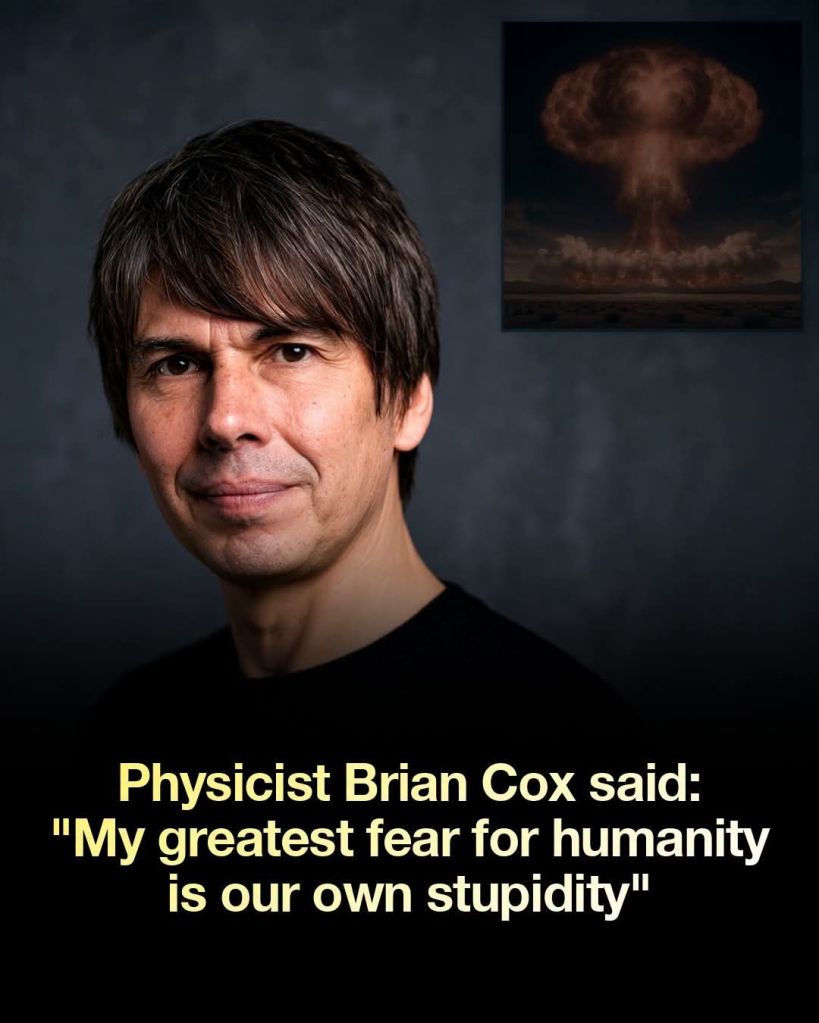
Professor Cox has nailed my great fear as well. As social Media and weave their tentacles ever more tightly around us, tests indicate we are getting dumber over time. Our ability to think is our species greatest gift. We should nurture it, treasure it. If we permit our minds to decay, what is left to us?
We are called homo – sapiens for a reason. Our critical thinking skills are what have separated us from other species. It would be sad, perhaps fatal to our futures, were we to permit our advanced technologies to slowly erode our cognitive skills. I am horrified that the MAGA crowd, as authoritarian regimes trend toward, attack our universities and our educated elite. Banning books and deriding liberal learning in the pusuit of power is, indeed, a likely formula for ultimate self-destruction.
Let me end this with a bit of free advice: let us all strive to cultivate ‘lives of the mind’ to the extent that each of us can.

