I am back!
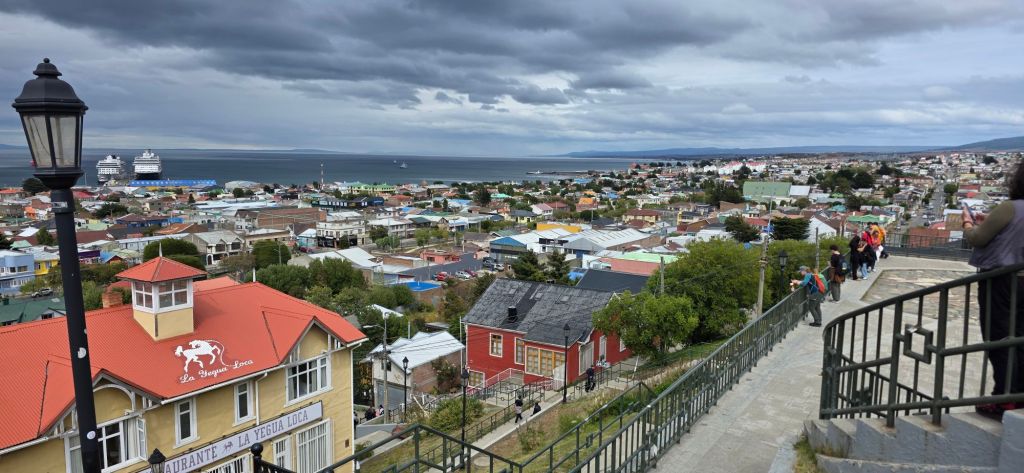
Punta Arenas, in Chile, was the first stop as we headed into the Pacific ocean on our way north to the Capitol of Santiago. Like Ushuaia, this also was first settled as an ideal site to store prisoners. There was nothing but miles of impassable mountainous terrain to the north. It also has grown with the tourist boom but, in addition, enjoys a surrounding area more conducive to the usual economic pursuits.
This settlement was later augmented by immigrants from Croatia and Russia. Aiding in its growth was a strategic placement on the Magellan Straights, a connector between the Atlantic and Pacific oceans. Trade, especially prior to opening the Panama Canal in 1914, found this a convenient stopping point.
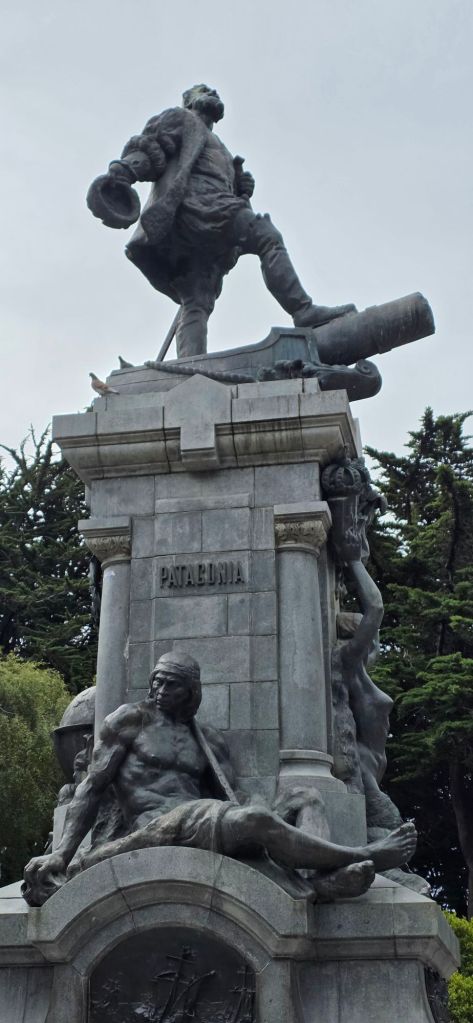
The city lays claim to be the most southern city of more than 100,000 residents in the world. Take that…Ushuaia, Argentina. Magellan is treated as a hero here with many things named after him. I find that odd since he never completed his circumnavigation of the world, getting himself killed in the Phillipines. But there it is.
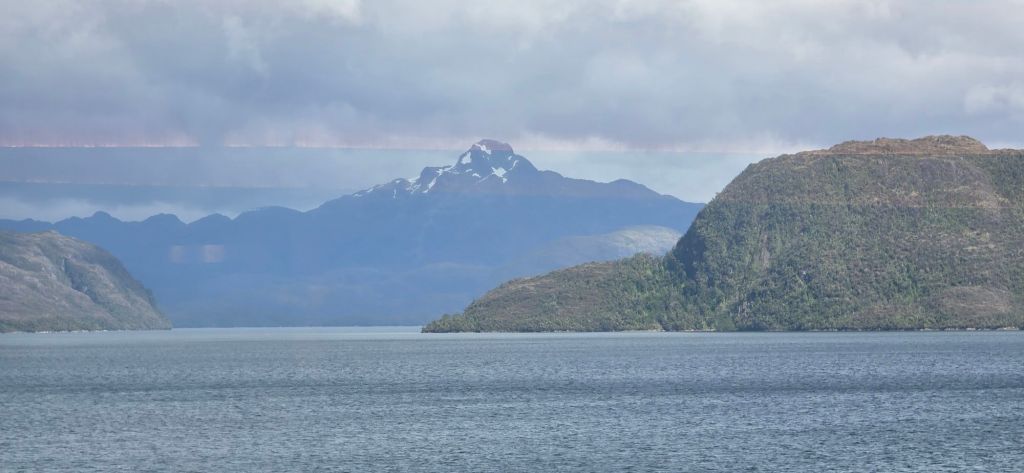
Upon leaving Punta Arenas we began our journey through seemingly endless archipelago that offered us continuing vistas of breathtaking beauty. In case you didn’t know, Chile is long and narrow with the southern tail composed of countless islands. We wound our way through this maze as we headed toward our next destination … the Amalia Glacier.
Amalia Glacier is the 2nd largest glacial field in the world, if I recall correctly. The total size (we can only see a small portion of it) is immense. I recall it being noted that enough water is trapped in this vast sea of ice to satisfy the world’s population for several decades. Seems improbable but that’s what they say.
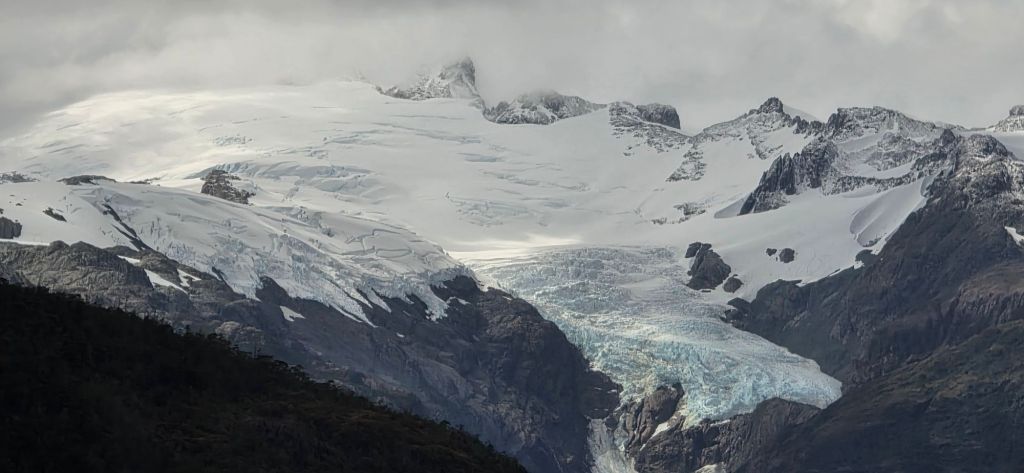
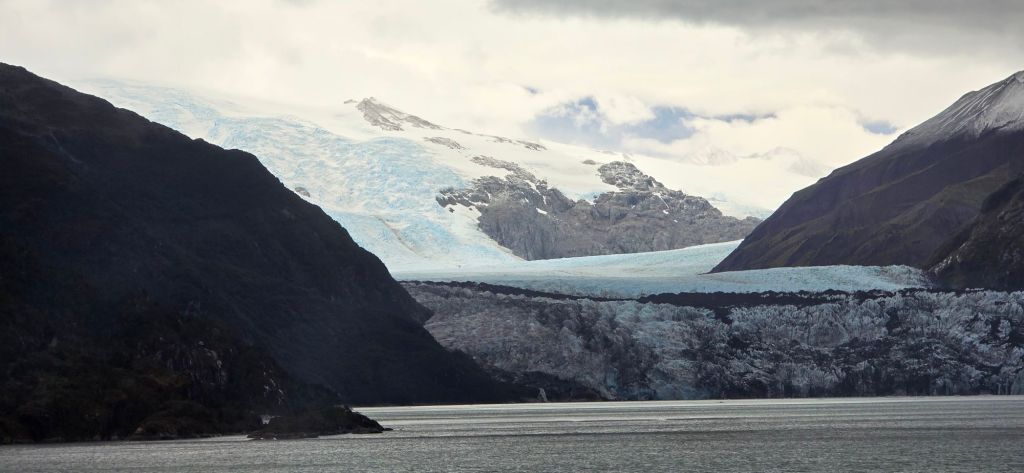
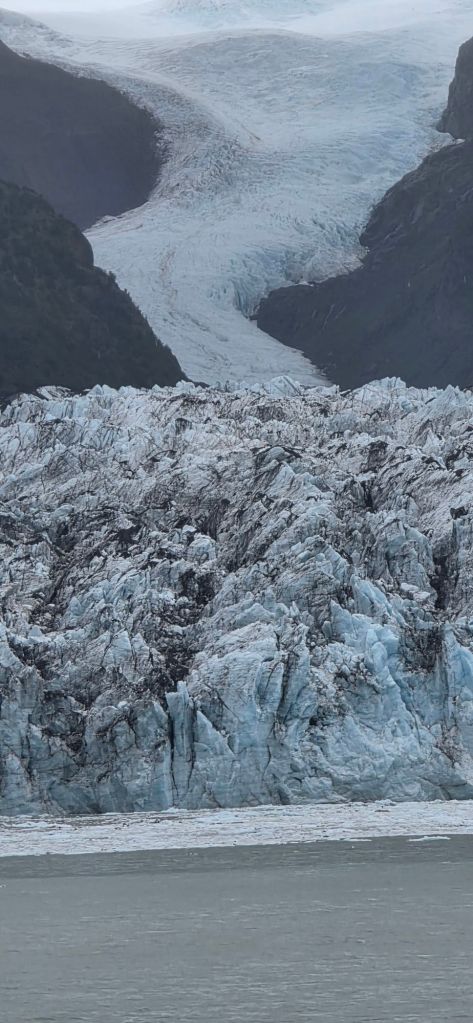
Alas, as in much of the world, the glaciers of South America are receding. Someday, not too far in the future, no one will be able to gaze upon these marvels.
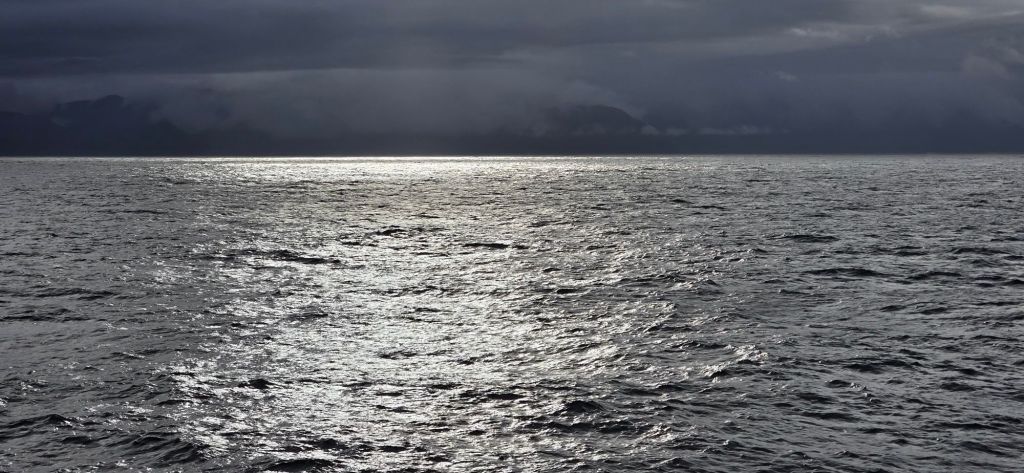
From this magical place, we push on over the vast seas. I can only imagine how endless, enchanting, and yet insidious they must have seemed to the mariners of old. I must admit, the waters out there are seductive. I find myself entranced by the endless sways, the incessant mutations of color and mood. It is like a narcotic. One can imagine why young men took to the seas despite the hardships and dangers.
Our next stop was at Puerto Montt and the nearby lake named Llanquihue. What is remarkable about this area is how it was settled. In the mid 19th century, the Chilean government made generous offers to skilled German farmers and craftsmen … offering land, subsidies, and tax breaks if they would emigrate and develop this area. They wanted Catholic settlers but got mostly Protestants. That aside, the project worked. Like the Italian, Croatian, and other ethnic communities found elsewhere on this journey, the German influence is found everywhere.
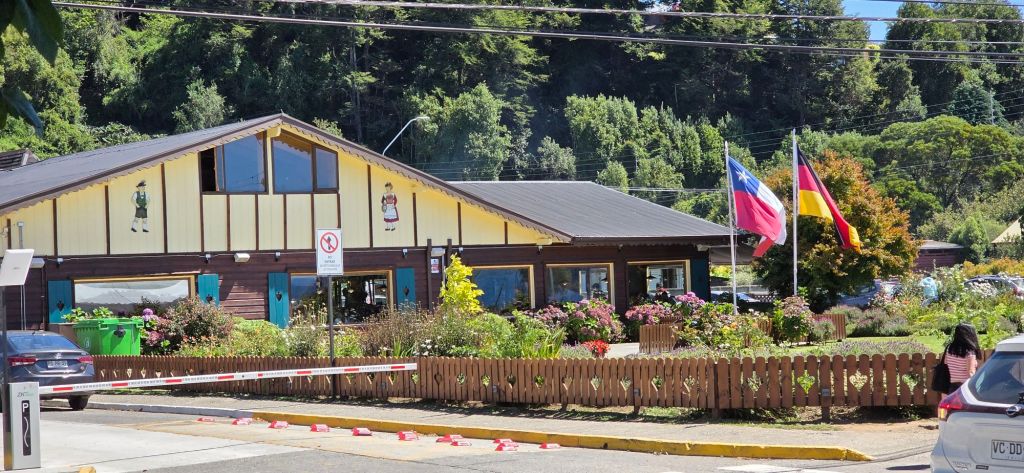
Llanquihue is the largest lake in Chile and is surrounded by volcanic peaks. The temperate climate makes it a lovely vacation spot. The entire area is growing rapidly, attracting refugees from hot, arid Santiago to the north.
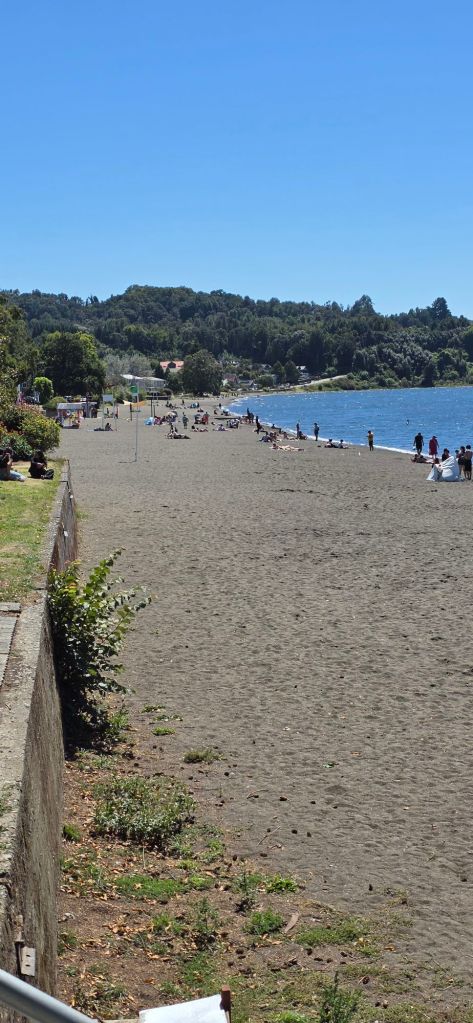
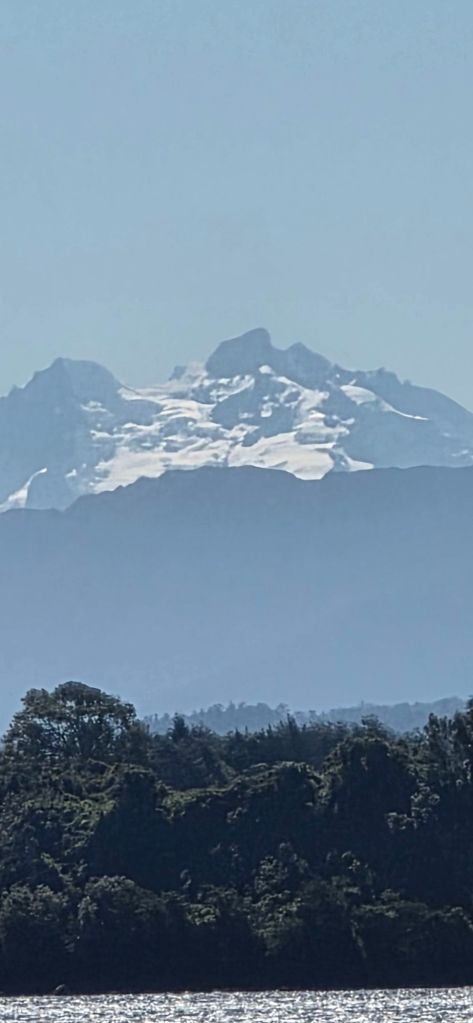
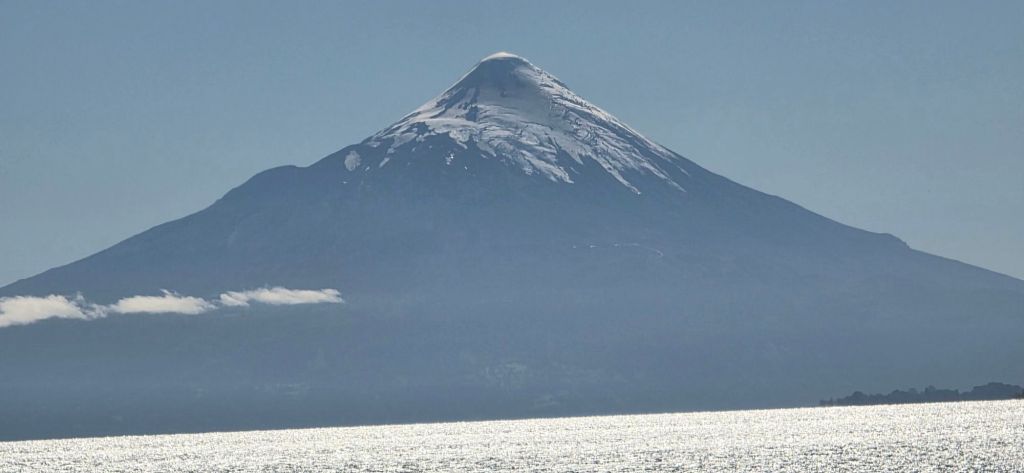
What screams for your attention, however, are the peaks across the lake. There are several active volcanoes 🌋. The first pictured above is located in Argentina. Did I mention that Chile is a narrow country? 😀
The last one is a typical cone shaped volcano. It erupted only a decade ago and might do so once again in a couple of decades. The last blow threw so much ash into the air that the Buenos Aires airport, a continent to the east, closed down. Beauty and danger combined. That often is the case, isn’t it?
 Tom's Musings