
We essentially are circling Iceland in a clockwise direction making several stops on the way. Each stop is at an unpronouncible town ranging in size from a high of 20,000 folk to today’s stop which contains only 700 souls … the population on our ship (1,400 passengers and crew) comes to twice that size.
Each stop so far involves smallish settlements located deep within large fjords. The mountains that soar above the waters edge provide both shelter from the elements along with magnificent visual tableaus. When they coined the term God’s country, this is what they had in mind.
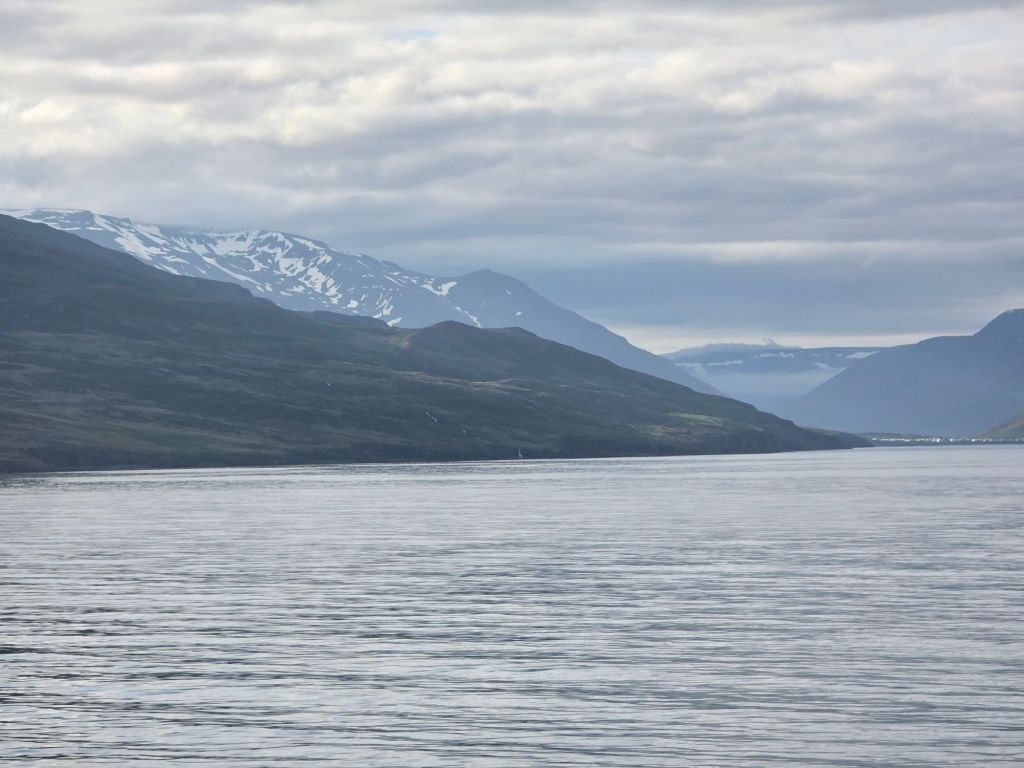

Ironically, 80 percent of Greenland is covered with a permanent (more or less) ice cap. The glaciers on Iceland, on the other hand, cover about 10 percent of the land. Still, the elements can be demanding. Even summer temps struggle to get into the 60s, even while being assisted by near 24 hour daylight.
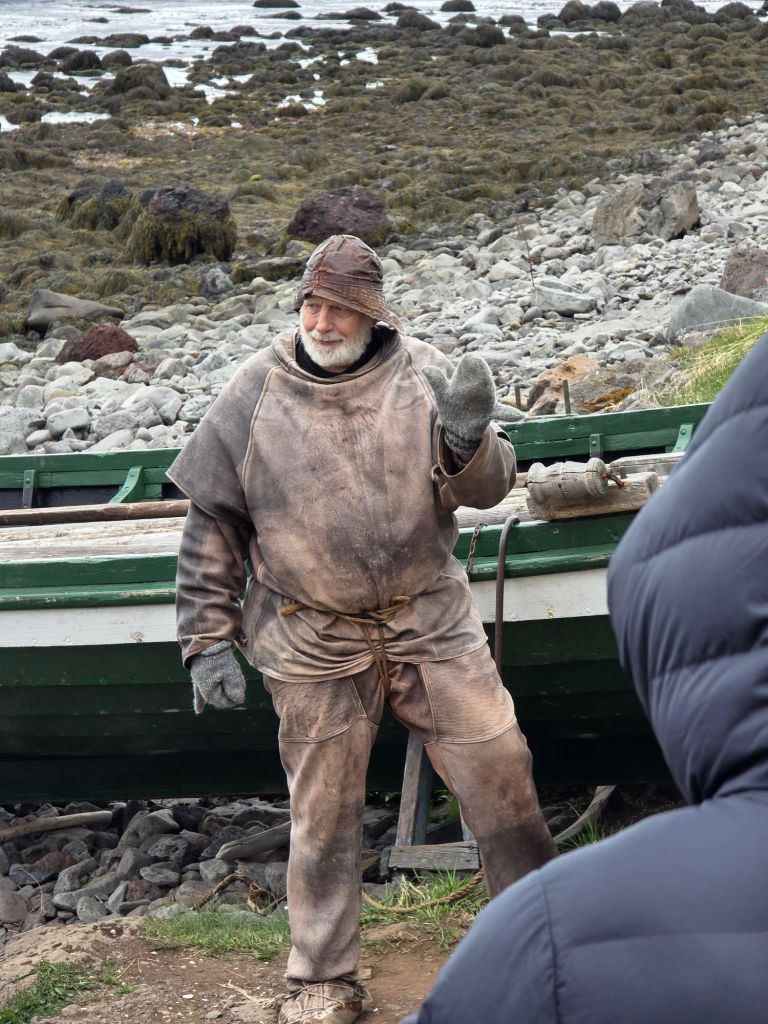
For the earlier settlers, life was harsh. Rugged men went out in small boats in dangerous conditions to fish for food, or for the whales and seals from which fuel for kerosene lamps might be obtained. People huddled together in rough abodes covered with turf as protection against savage winds and storms. In winter conditions, an overturned iceberg might spell death for the crew of six that manned the small oar-powered craft. Tough men indeed. I would not have lasted a week. Hell, I would not have lasted an hour.
Actually, the first immigrants we know much about were the 8th century Irish monks who stumbled on this land of fire and ice. The fire comes from active volcanic activity while the ice is self explanatory. The first thing the monks did was to erect an Irish pub (just kidding, I think). The Vikings next found this enchanted land in the 9th century. The first Parliament almost anywhere, the Althing, was established in the year 930. They instinctively were a democratic lot. In 1262, the 1st Norwegian king gained titular control of the Island. For a long time, Denmark and Norway competed for control. Slowly, though, the Icelanders moved toward independence. In 1848, Denmark began to give up some daily control. By 1874, they had gained some degree of home rule, something that was further extended during the chaos of WWI. Full independence was achieved toward the end of WWII when the island was in the hands of the Allies and Denmark remained in control of the Nazis. The 800,000 sheep on the island were ecstatic at the news. Iceland joined NATO in 1949 and is a member on the EU.
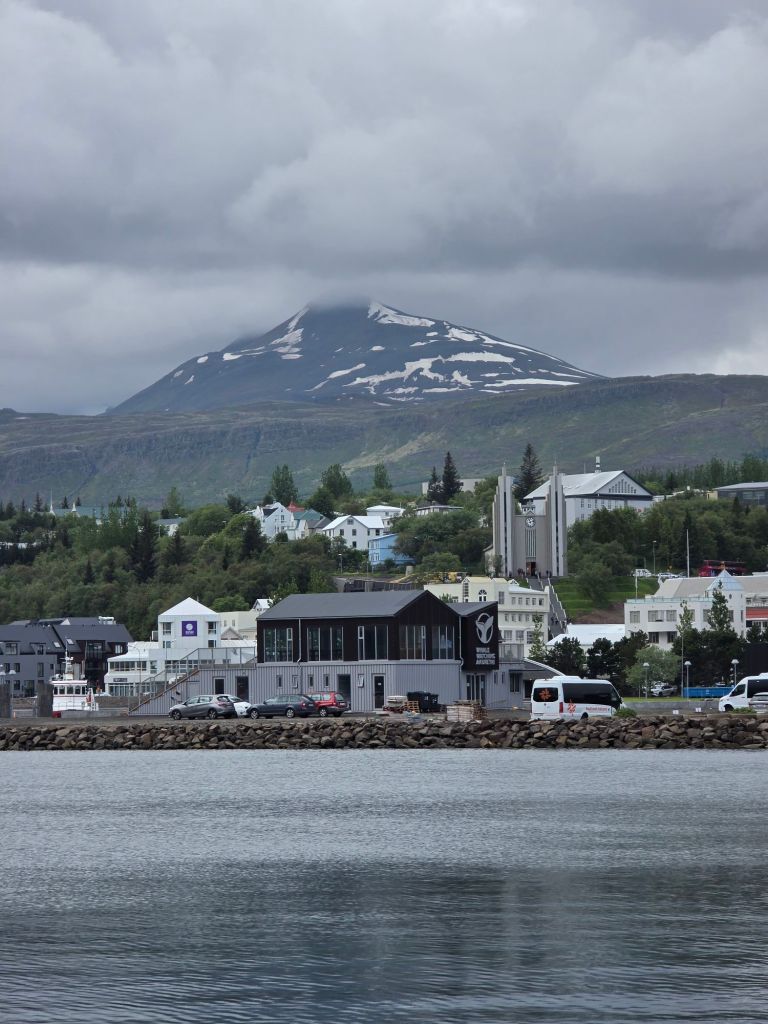

Today, Iceland is a modern, cosmopolitan nation. Some 20 percent of all Icelanders come from non-Scandinavian ancestry. They even have Indian restaurants and eateries that focus on kebabs of various kinds … much preferable to whale and seal meat of earlier diets..
What marks Icelandic government today is the strong role played by females. In the early 1970s, the women of Iceland went on strike for equal rights under the law. They succeeded! At the same time, the ERA (Equal Rights Amendment) movement in the States stalled and then floundered. In 2008, during the finance and housing crisis that resulted in a near global credit collapse, Iceland was particularly hard hit. The male dominated banking and finance systems came under extreme criticism. This economic crisis served to finalize the feminist revolution of recent years with women asserting greater control even of the nation’s financing systems. Today, the Island basically is run by women who hold virtually all the top positions of power.


From what I see, the women must be doing something right.

 Tom's Musings