I keep thinking that each recollection of times past will be my last. Then, however, another thought or image intrudes. Once again I say this will be the last one. But then it isn’t.
In my last blog, I noted two transition points in my life that, even all these years later, remain as seminal transformative moments. My Peace Corps experience is one. My college experience at Clark University is the second. Oops, I just thought of a 3rd, when I quit drinking some four decades ago. Sorry, one more personal blog may be coming.

Why the Clark experience? A lot of people attend college. Most have some fun, perhaps lose their virginity, and a few might even work hard and actually study (I was not one of those). The majority gain some knowledge (if lucky) or a credential that advances their later career aspirations and earnings potential.
All that is good. For me, though, Clark was the moment I became myself. It was way beyond any ordinary educational exercise. It was more of a fundamental metamorphosis where the caterpillar mutates into a butterfly. Now, that was a labored metaphor for sure. Still, it is very true in several important respects.
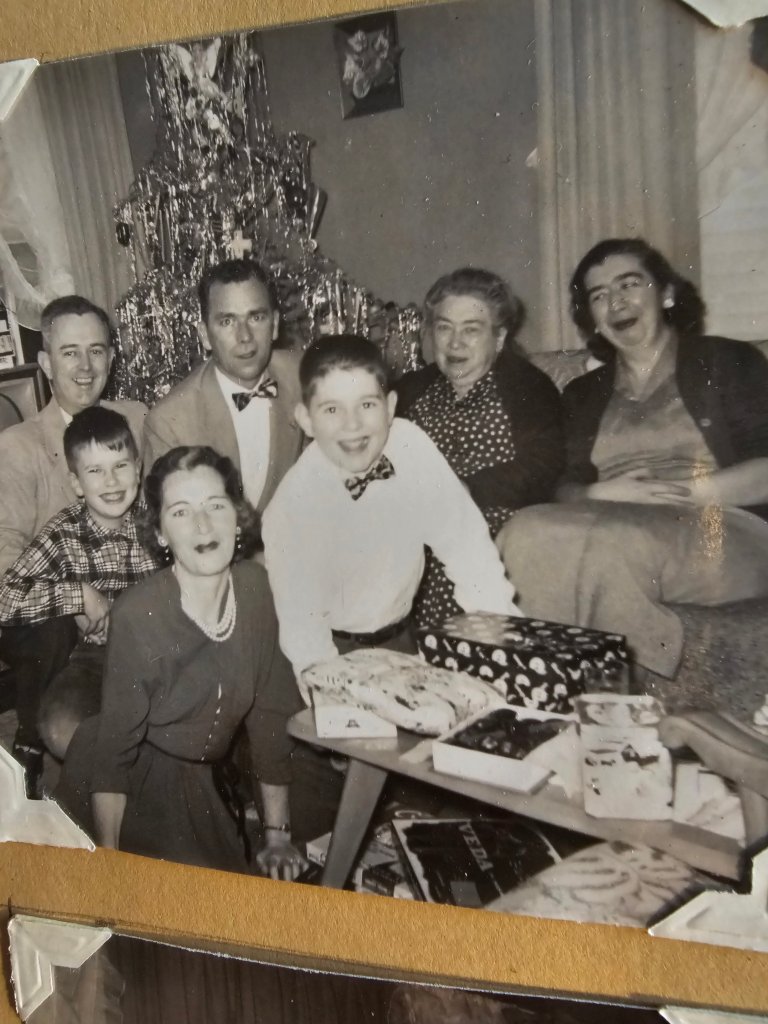
I am the doofus little kid with the big smile on the left, surrounded by extended family members. It was your average working class Catholic family (blue collar and minimally educated) with the exception of my uncle Bill at whose feet I am seated. He was the one member of that generation to go to college and have a white collar job, becoming a regional sales manager for Nabisco. Still, it was a very typical family in the post WWII era.
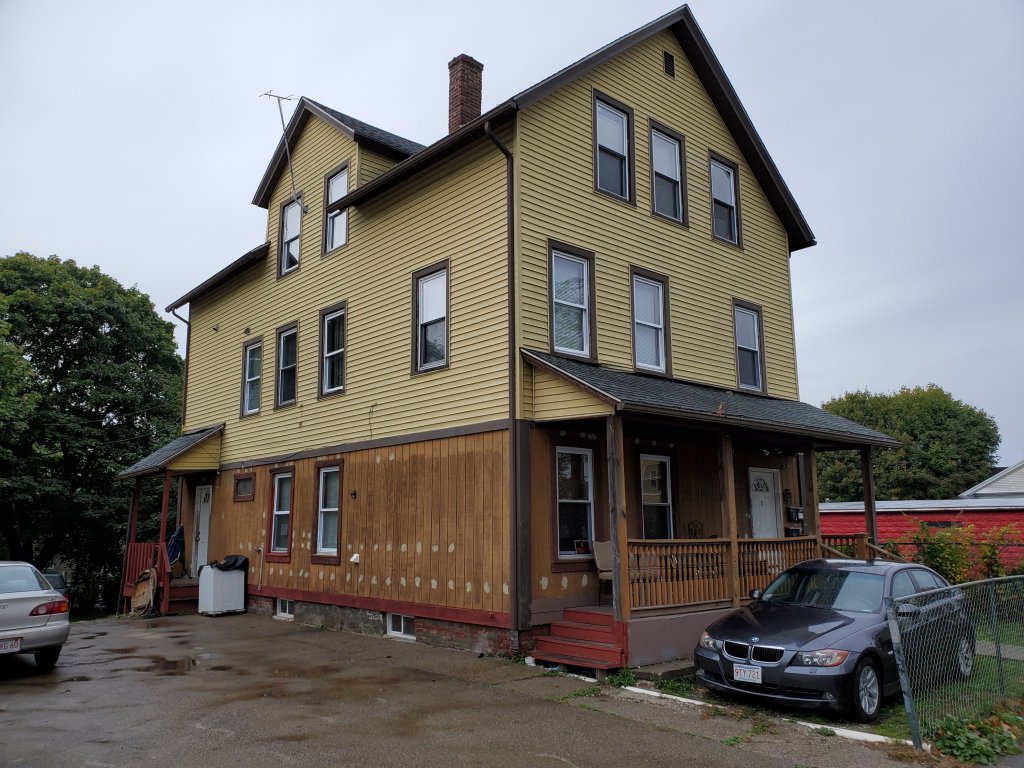
I grew up in the first floor flat of this three-decker on Ames St. in Worcester. The street was teeming with kids, mostly Irish (the Clancy’s and the Monohan’s etc) with a few Lithuanians thrown in. Virtually everyone had blue collar jobs, were Catholic, and voted Democratic mostly because WASPs (white, anglo-saxon Protestants) were the enemy). When you rode the bus past one of the five Catholic, ethnic churches on Vernon Hill, many on board made the sign of the cross. It was a tight-knit community where most thought and believed the same.
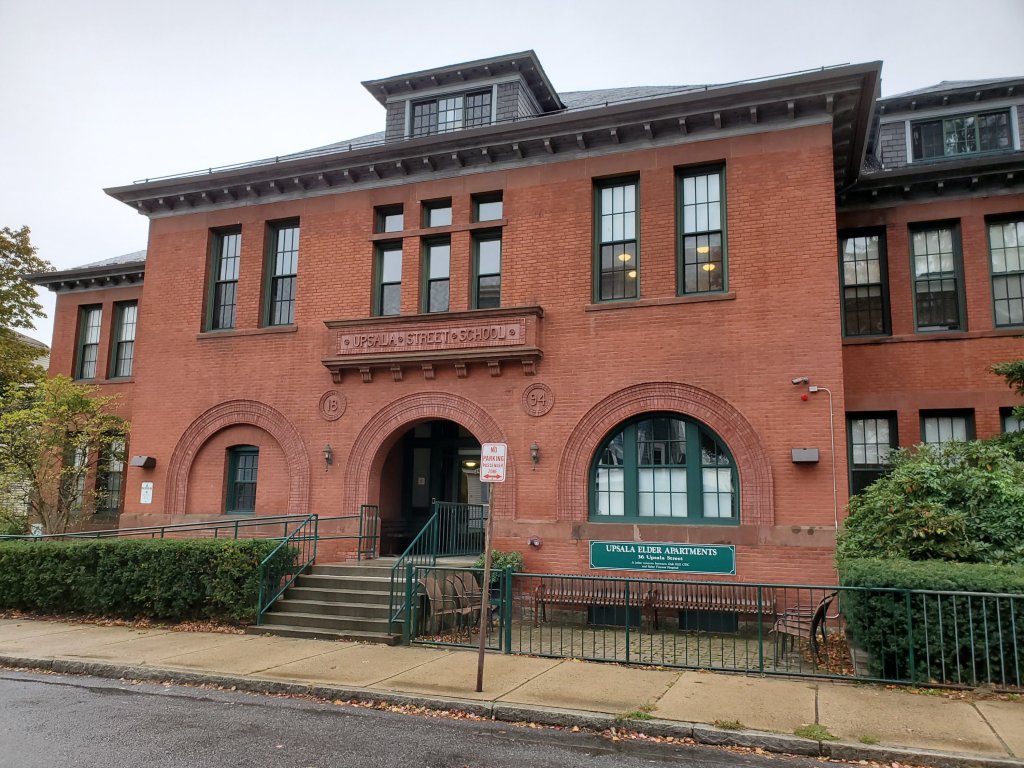
I went to Upsala Street grammar school, now a set of residential condos. My cousin asserts we were taught well there. I have no recollection of that, though I felt very average if not behind academically in a neighborhood of few scholars in the making. For some reason, when I graduated to Providence Street Junior High, I was placed in an advanced class. (I always thought that happened due to an administrative error.) There were only 5 boys and 20 girls in this class. Once again, I was an average student (at best) among the boys. I have no idea about the girls who remained total ciphers to me, but I assume the majority of them were superior to me. That would not have been difficult. There was absolutely no sign of intellectual promise in me.
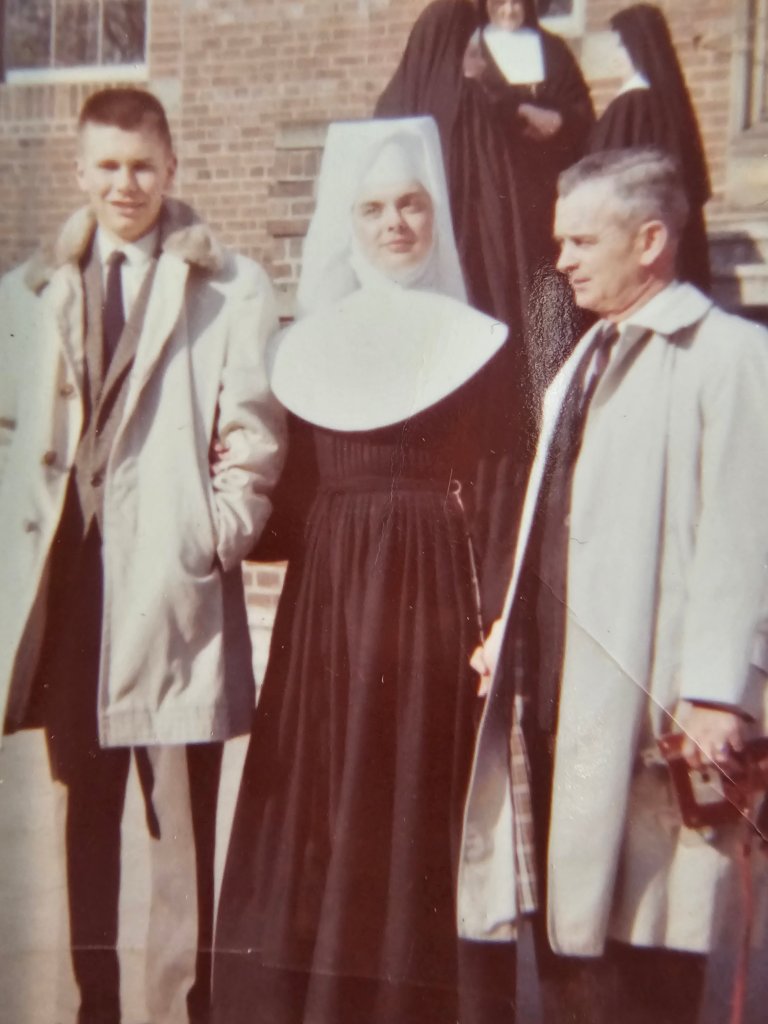
I took religion seriously, as did several in my family. Above, I am with my female cousin who entered a convent. I worked hard on being a good Catholic, though I should have noticed the warning signs as I embraced increasing doubts about many church teachings. Her time as a nun was short as she sickened and passed away in her early 20s. Perhaps that contributed to my doubts about a just Deity.
For high-school, I took the entrance exam for St. John’s Prep, the best Catholic School in Central Mass. It was still taught by the Xaverian Brothers then. They were demanding and no nonsense. You acted out and they would whack you across the face. If you were stupid enough to tell your parents, they would whack you on the other side of your head, just to maintain a sense of balance.

I must have been educated well since almost everyone in my class went on to college. It simply was expected. But we were also regimented in the faith and in Catholic values. It is still considered an excellent school, though I no longer contribute financially to them as I did for many years. I find many so-called Catholic values (re. Gays, same sex marriage, abortion, etc.) reprehensible and divisive now.
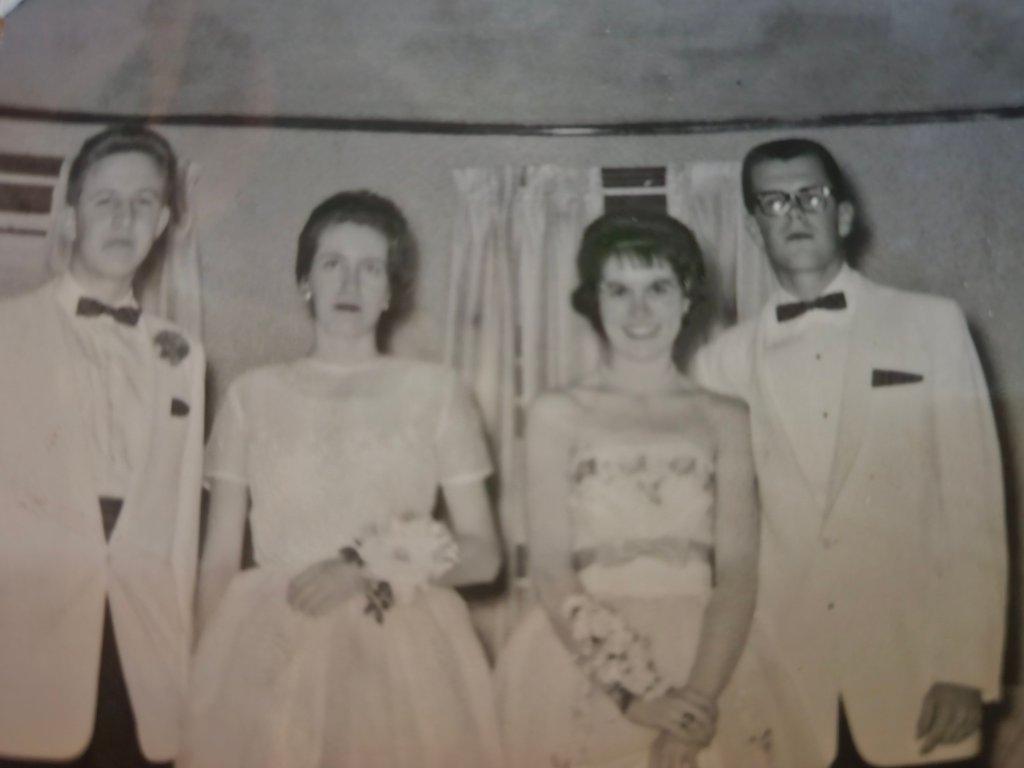
Above, we are off to my senior prom. I’m with my one high school girl- friend (Maribeth), a good Catholic girl. That is, I had zero chance of scoring. The other guy is a classmate from Chili. His parents sent him to the U.S. since they feared a leftist coup around the time Castro came to power in Cuba. I now hate to think of what their politics might have been, but he was a good kid.
As I’ve said before, I was headed to Holy Cross College, a good Catholic School that I could see from our back porch after we moved from Ames St. But I detoured into the Maryknoll Seminary where I intended to save the dispossessed of the world as a Catholic missionary. My favorite movie then was The Keys of the Kingdom, a story of a Scottish missionary priest who spends his life in pre-Communist China. It starred Gregory Peck, and I cried every time I saw it.
But then, after leaving the seminary which was located in a Chicago suburb, I arrived at Clark University. That happened only because Holy Cross did not permit Spring admissions. It proved a stroke of unexpected luck.
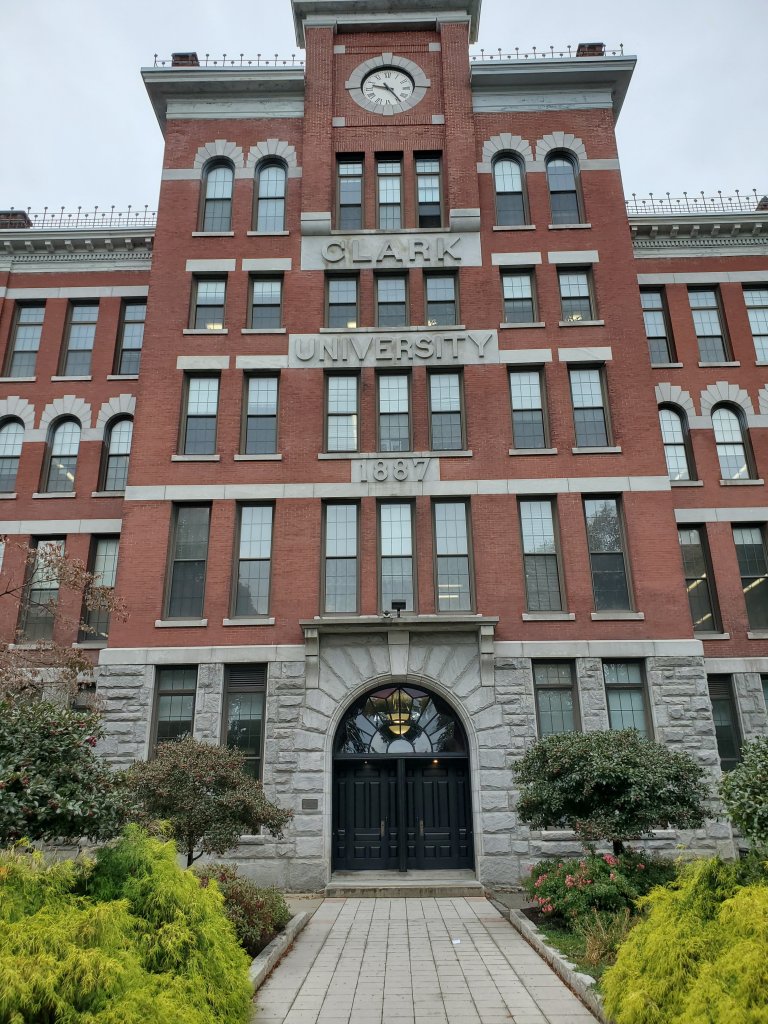
That serendipitous event dramatically changed my life’s trajectory. I entered as a typical ethnic, working class, Catholic young man with many of the provincial attitudes and dispositions of that culture. Okay, that was not quite true. I already had this do-gooder streak in me and nascent rebellious thoughts, but I yet harbored many narrow beliefs embedded from the provincial world of my youth. I thought the world divided into good and bad (we were the good guys). I had been most willing to leave the seminary to enlist in the military during the Cuban Missile crisis.

Clark was founded in the 1880s as the 2nd Graduate School in the U.S. after John’s Hopkins. By the time I matriculated in the spring of 1964, it had grown into a well respected, though not a top-tier, liberal arts school. The psychology department was first-rate. Sigmund Freud came here to give his American lectures (see statue above) and the American Psychological Association was founded at Clark. Physicist Robert Goddard launched the space age by developing the first liquid fuel rocket. More recently, it was written that Clark was a school where undistinguished students came and somehow were transformed into academics who could compete at elite universities. Amazingly, that was true of me.
There was an intellectual feel to the place, or at least I found my intellectual curiosity there. The people and the environment forced you to think. I would talk to my high school friends who went to Holy Cross. They were pushed academically but in a conventional manner. They were not expected to think independently nor with creativity. As the decade of the 60s emerged and the Vietnam War heated up, most of us at Clark in those years confronted all the encrusted beliefs with which we entered college. It was an emotional crucible in which we challenged our priors and reconstructed our world views. That process could be painful, yet exciting.
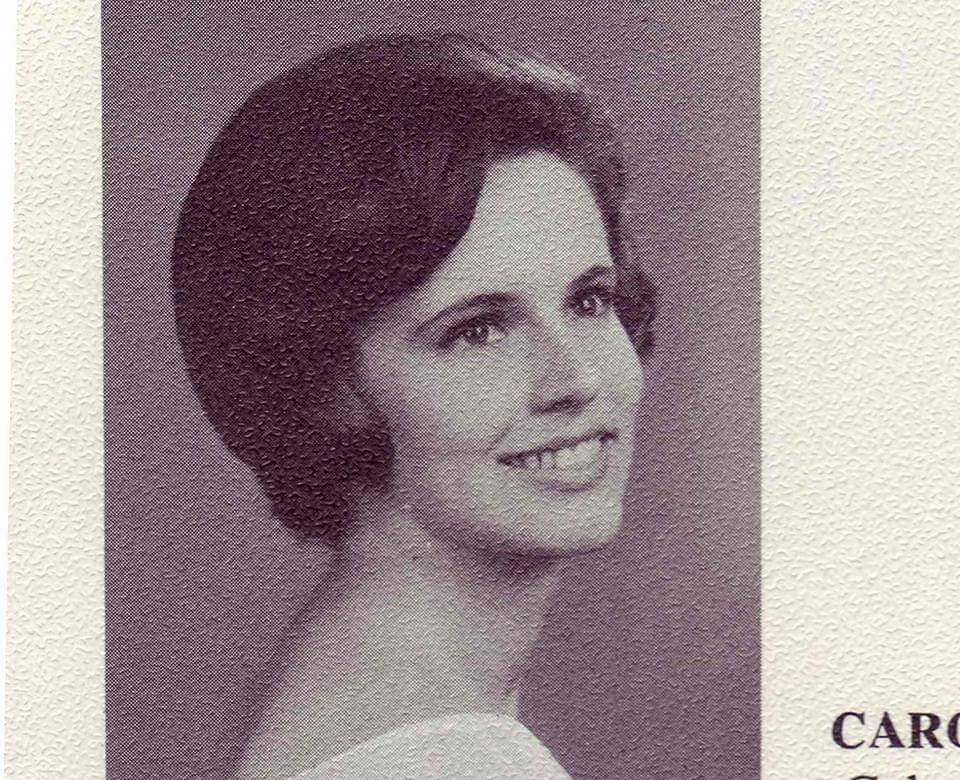
Carol (see above pic) was typical of those with whom I bonded. She was Jewish, whip smart, and grew up in an environment much different than my own. We first connected in what was to be a brief encounter after class one day, probably over some course assignment. That turned into a deep dialogue that lasted for hours. Though she was technically engaged to a guy living in another state, we became very close, very close indeed. As with others in our intellectual orbit, we spent hours debating the great issues of the day as we worked to arrive at our own core beliefs and develop our personal moral compass.
One day, before the anti-war movement had really taken hold, she and I joined probably the 1st anti-war March in Worcester. We barely escaped the angry mob surrounding us (who considered the marchers to be traitorous Commies), but there was no looking back. My prior support for the war (and in America’s purity) was one of the last pieces of my old world view to dissolve, after my belief in God and other such trivial matters.
My change of heart on America’s righteousness came after a day of debate with a fellow student (David) who, like me, had an NSF undergraduate grant to do independent research over the summer. We went at it for hours that day. In the end, I realized he was right and I was wrong. Both David and Carol would go on to get doctorates from Harvard. I always thrived around smart people.
Clark was a place that pushed you intellectually. It was small so that you could get to know faculty and the grad students. In fact, some of my better friends were grad students. In addition, it was not locked into a rigid world view like most Catholic schools were. You largely were expected to question all and figure things out on your own. For the first time as a student, and as a person, I began to thrive.
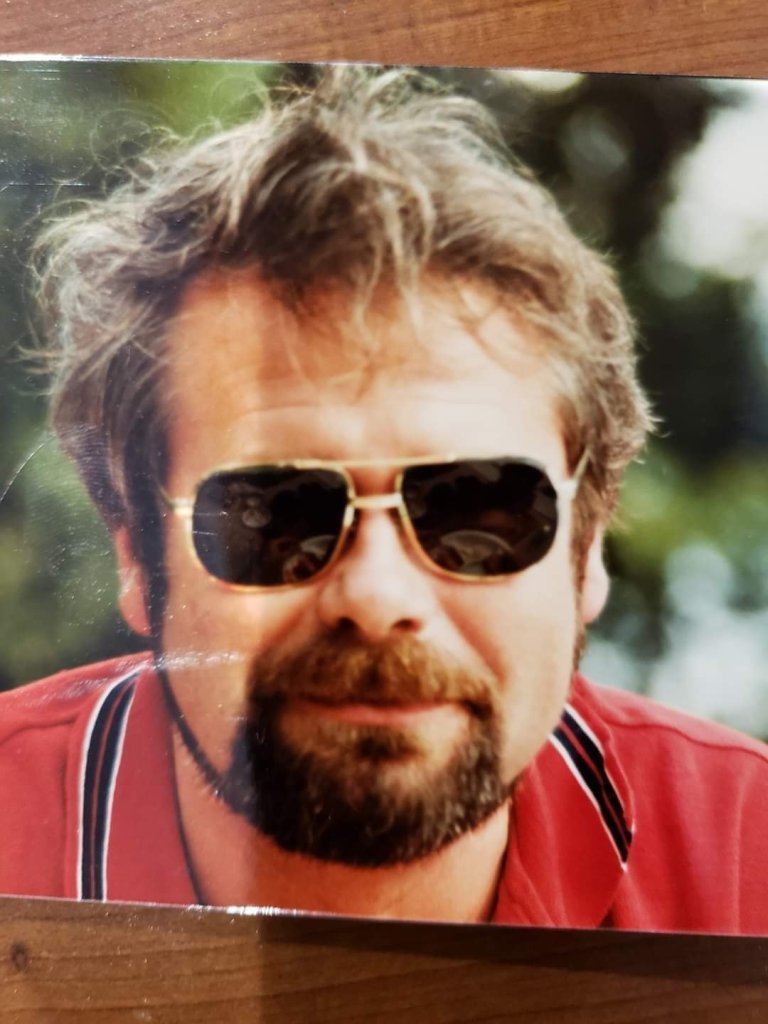
I cannot say I evolved into a complete adult there. But I had started on a new trajectory. I abandoned psychology when I had to kill the rats at the end of my summer research project. But my intellectual curiosity had been sparked. I would never stop asking questions for the remainder of my life. By the time this above pic was taken, I was at the University of Wisconsin at the beginning of a long career as teacher, researcher, consultant, and (my favorite role) policy wonk. I never stopped asking questions and never ceased trying to change the world. I didn’t necessarily succeed in that, but it was one hell of a journey.

Again, you can find the longer version in A Clueless Rebel.
 Tom's Musings