Coming to the end of my adventures in the north of Ireland. And a grand tour it was. A few highlights!
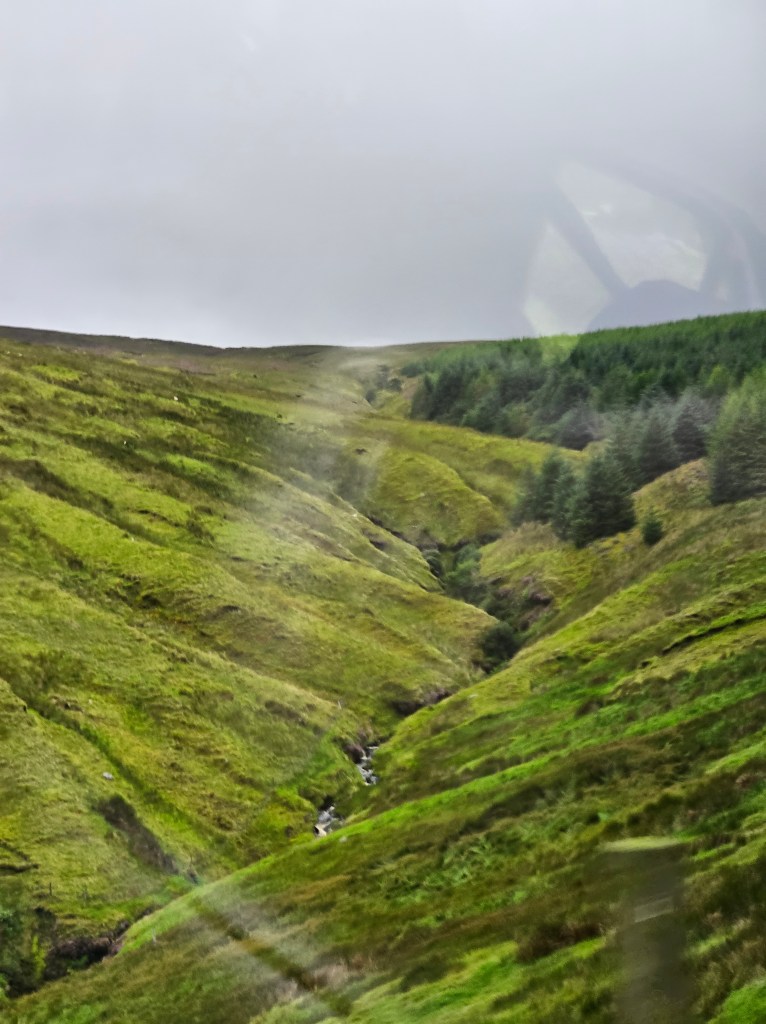
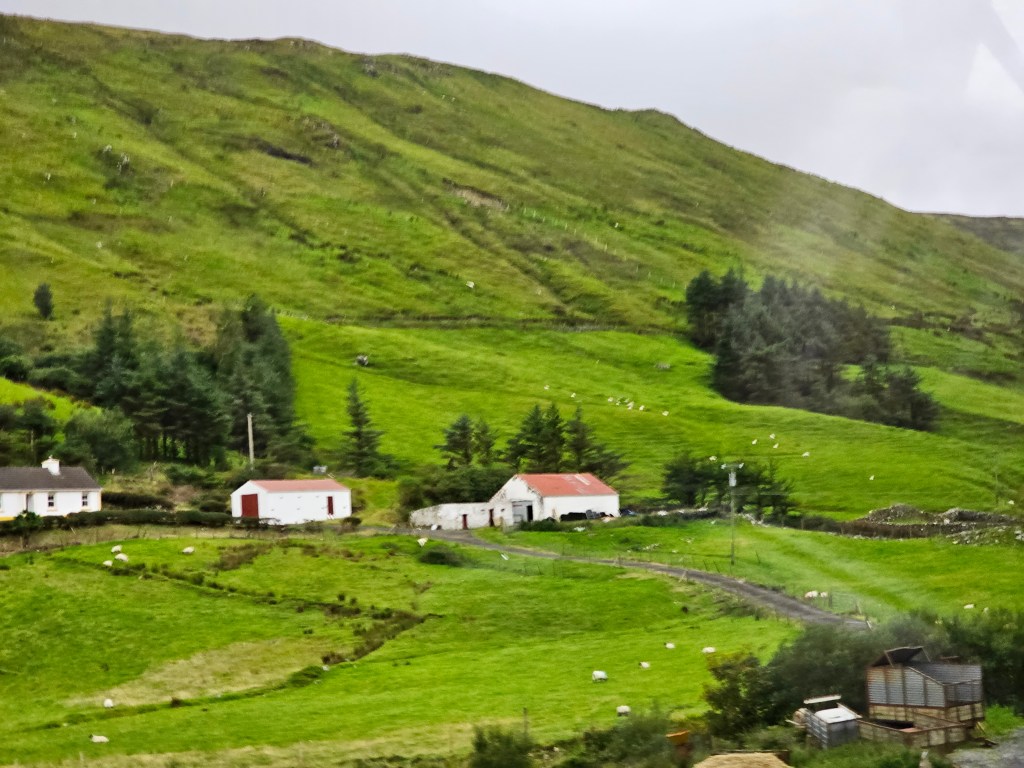
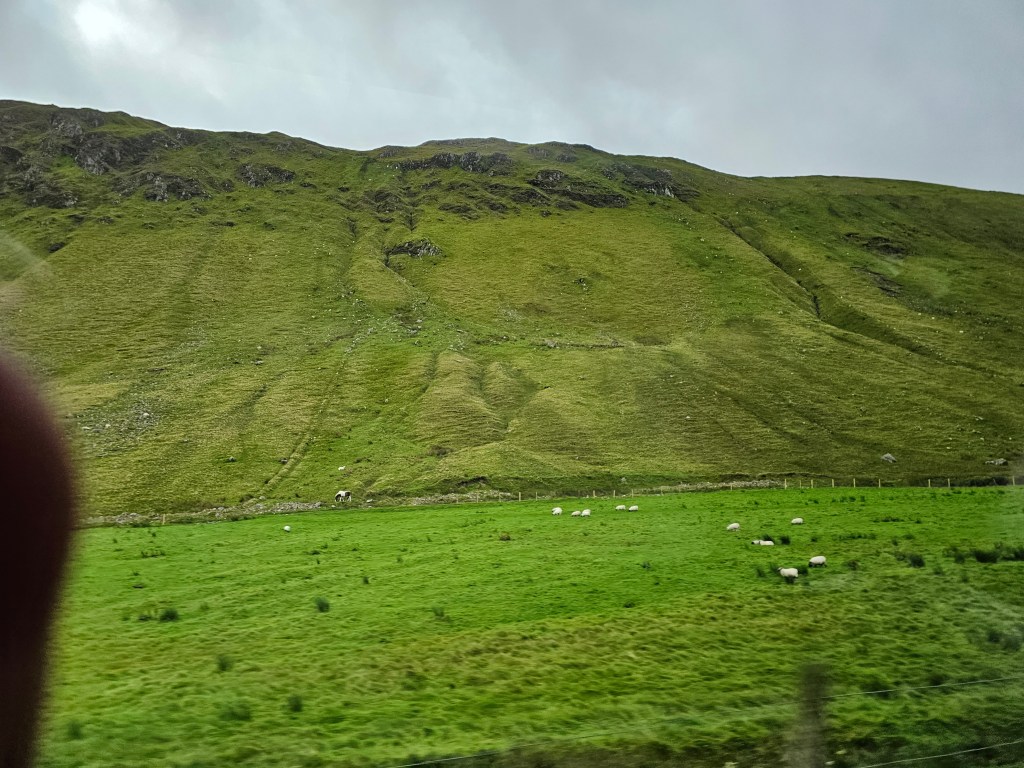

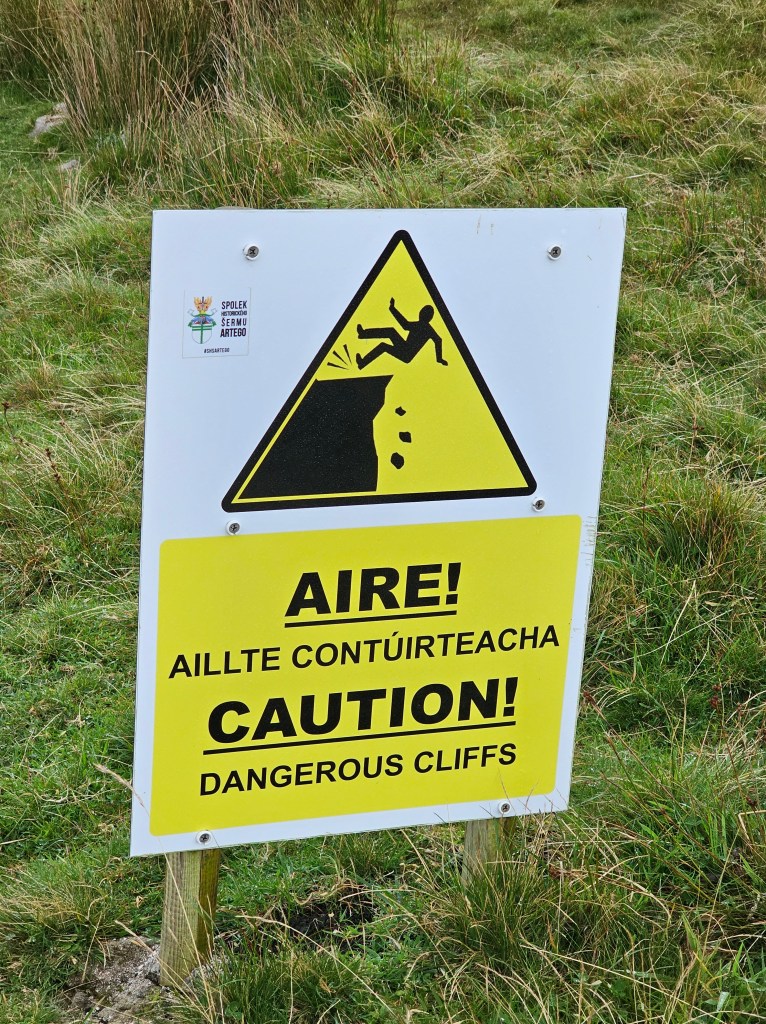
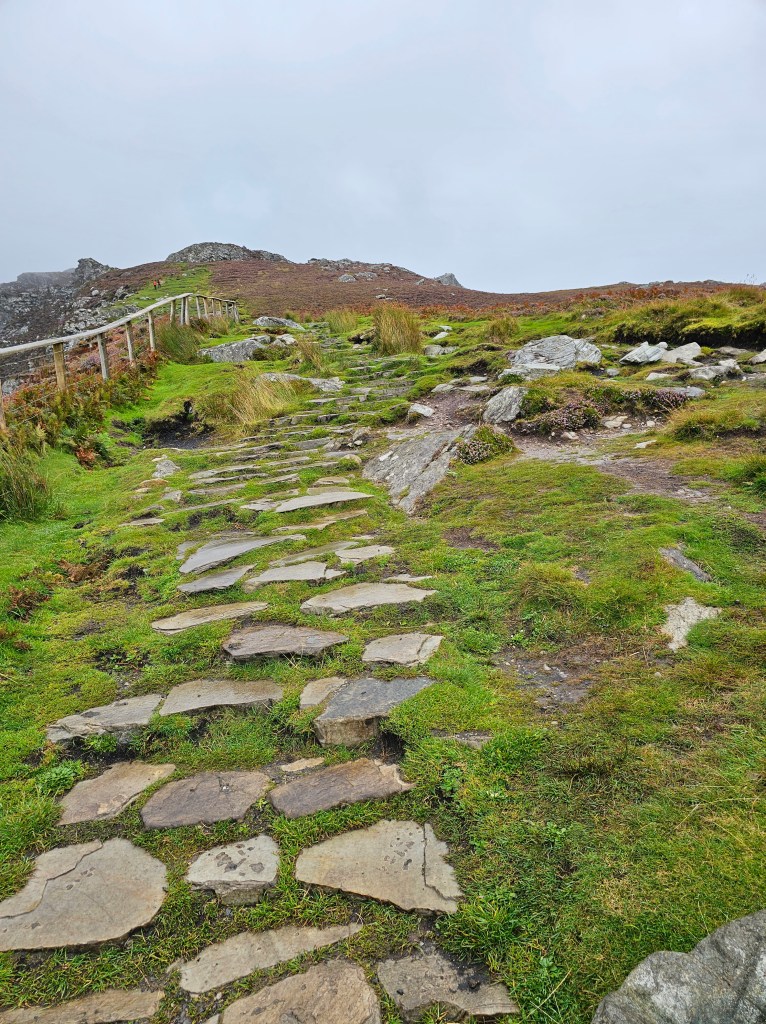
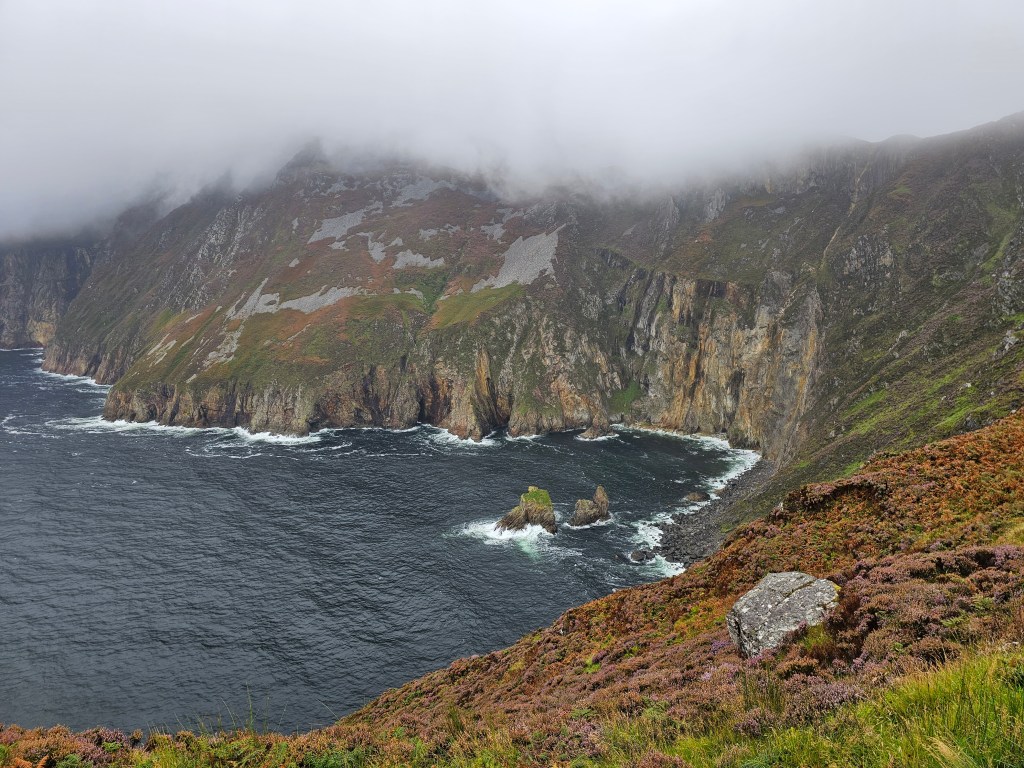
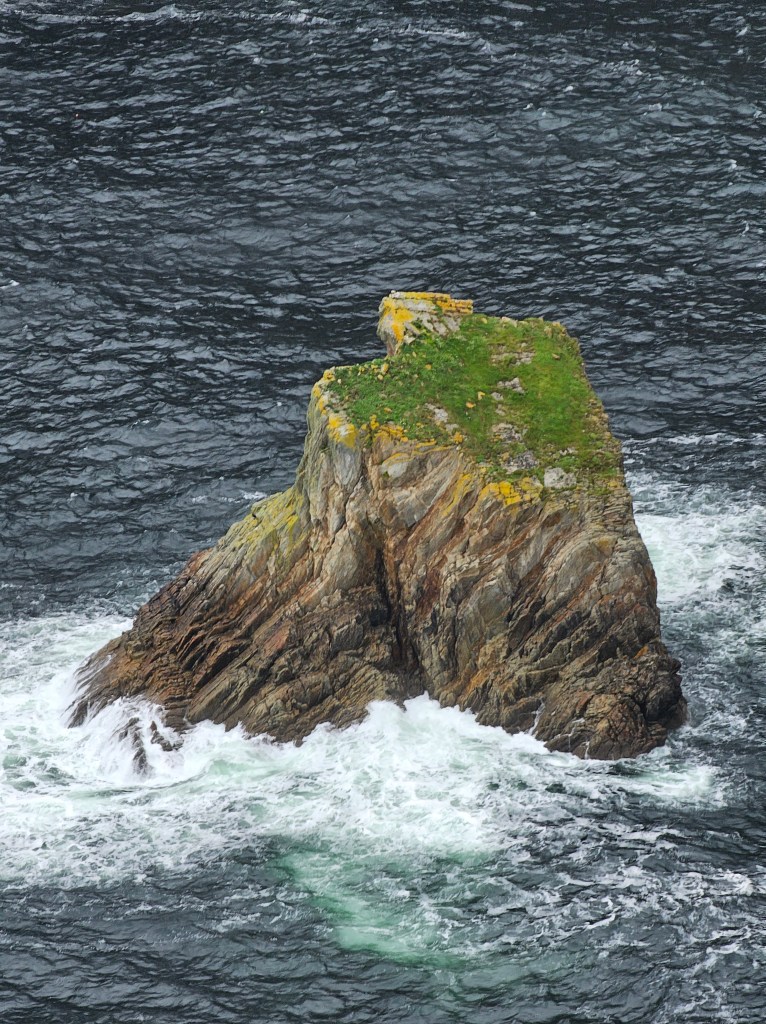
Now on to one of the highest ocean side cliffs in Europe.


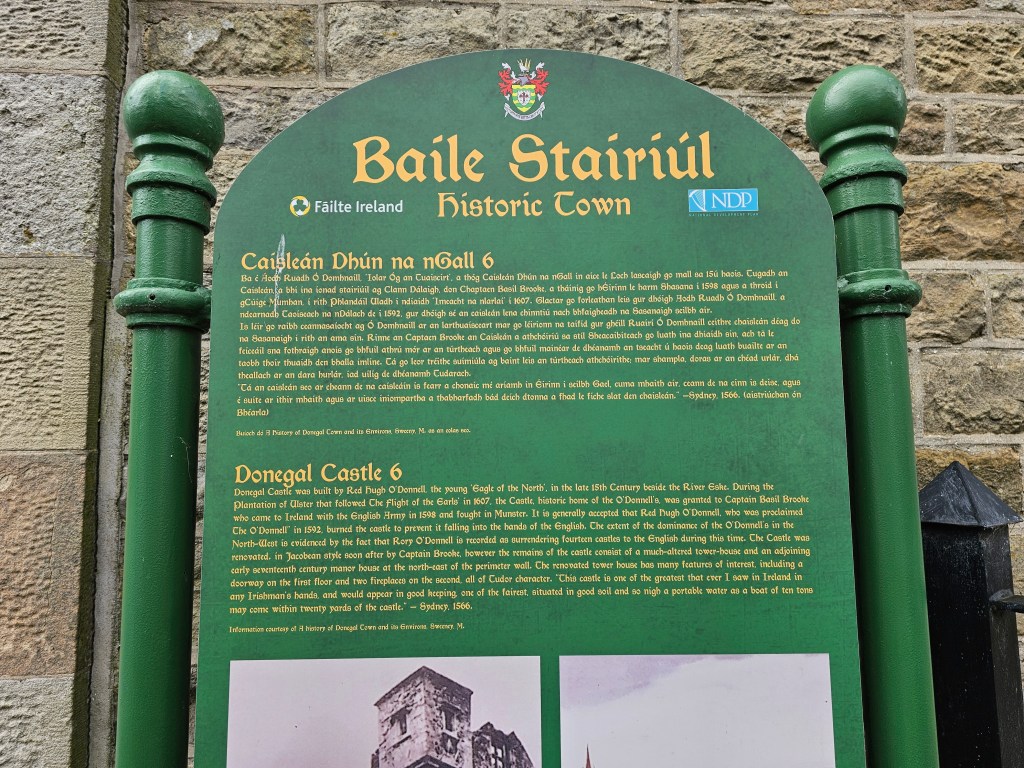
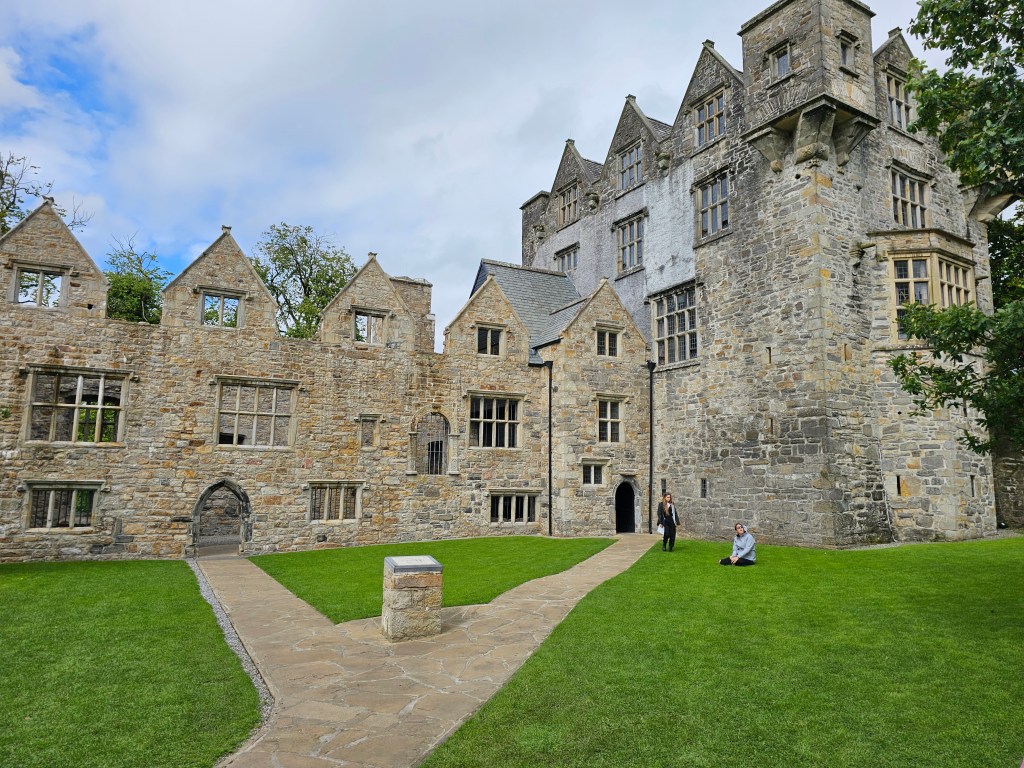
The castle in Donegal played a key role the defeat of the Irish chieftains and the English conquest of Ireland.

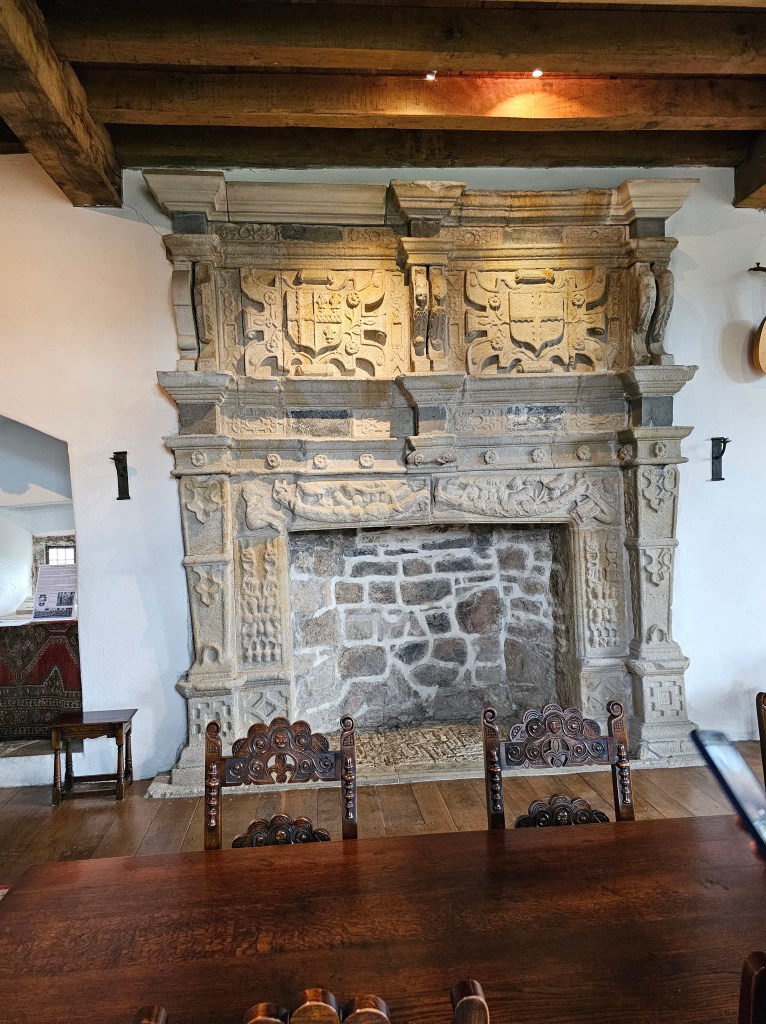
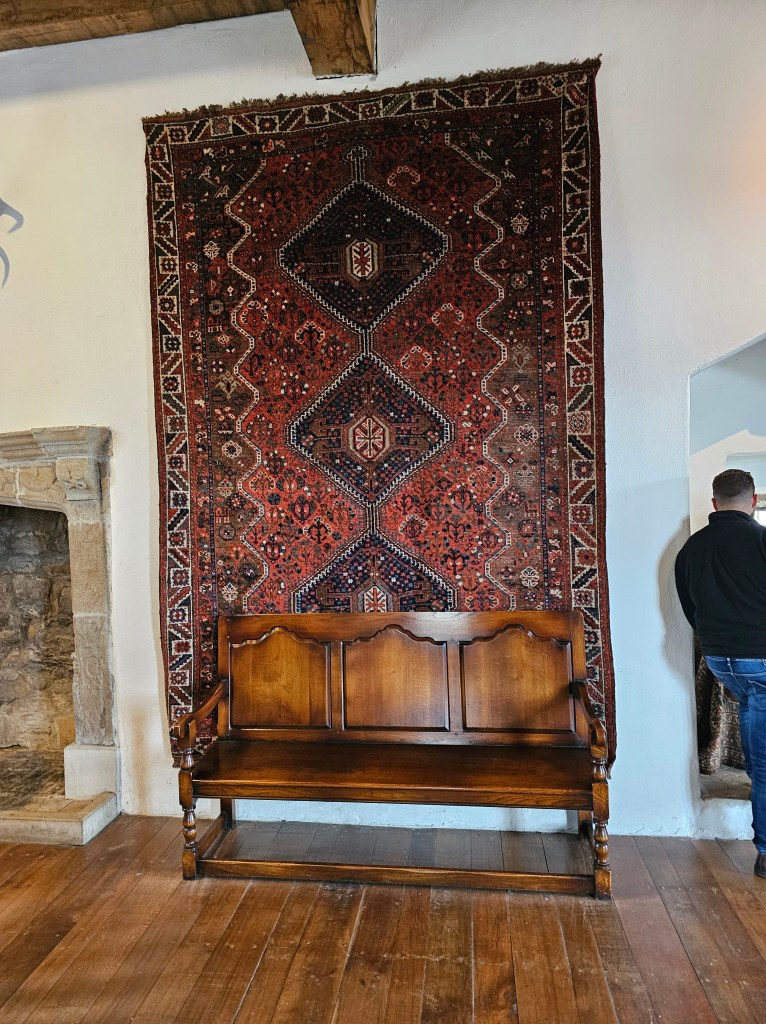
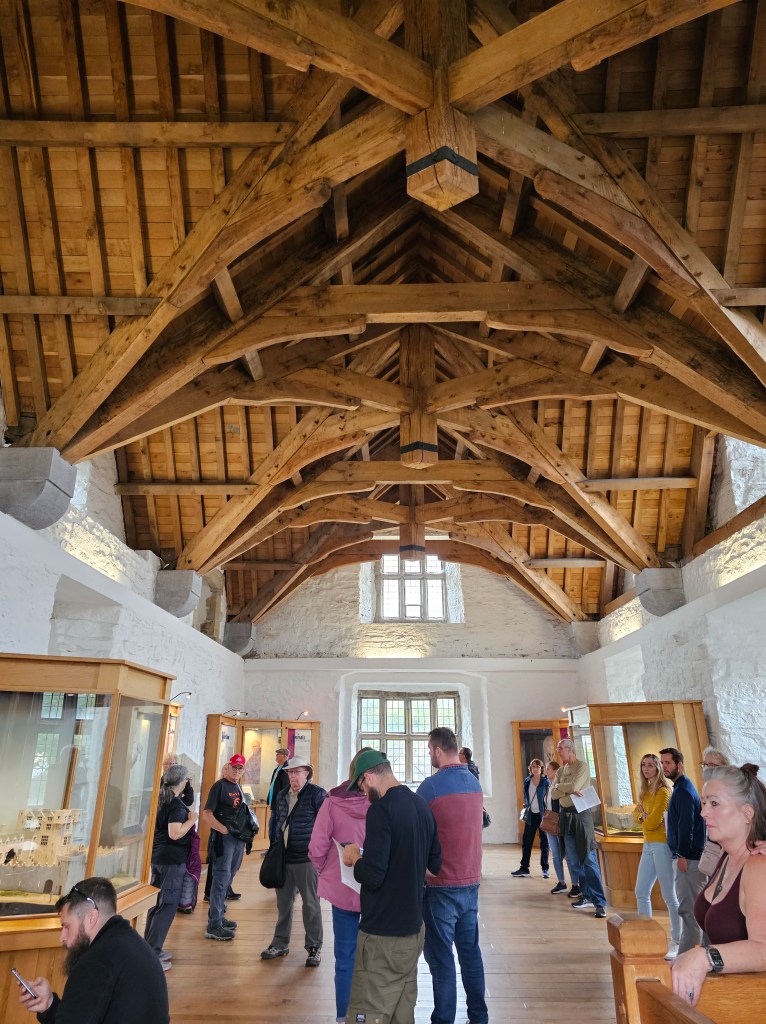
The O’Donnell clan had ruled the castle and area for several centuries. But in the late 1500s, the ‘nine year war’ started as Elizabeth 1st decided to settle the Irish question once and for all. She didn’t like a Catholic nation to her west. It might be the back door that one of her Catholic enemies, France or Spain, might use to threaten England.
After several years of stalemate, she sent a larger army to the Emerald Isle. At the request of the northern Chieftans, Spain sent an army to reinforce their Catholic allies. But through misfortune or misunderstanding, the Spanish force landed in Kinsale and not Donegal as expected. That was at the other end of the island. The northern chieftains marched South but, exhausted when they arrived, were defeated by the English army.
By this time, Elizabeth had died and James was on the throne. She would have had the Irish traitors drawn and quartered, with their heads on spikes. But James spared the lives of the Chiefs, gave them some of their land back, and made them Earls. However, they would have to renounce their culture, their language, and their religion as part of the deal.
In the end, that proved too much for them. The chiefs fled to Spain and Italy, looking to raise armies and money to return and reclaim their ancestral lands. However, they never returned and this episode became known as the ‘flight of the Earls.’
In 1610, James began the ‘plantation’ of Ulster province, most of which is now known as Northern Ireland. Plantation is another word for colonization. He brought in thousands and thousands of Scottish and English Protestants to take over the land. That was the beginning of the religious and cultural conflict that was most recently expressed in the ‘Troubles,’ and which remains today in a more subdued form.
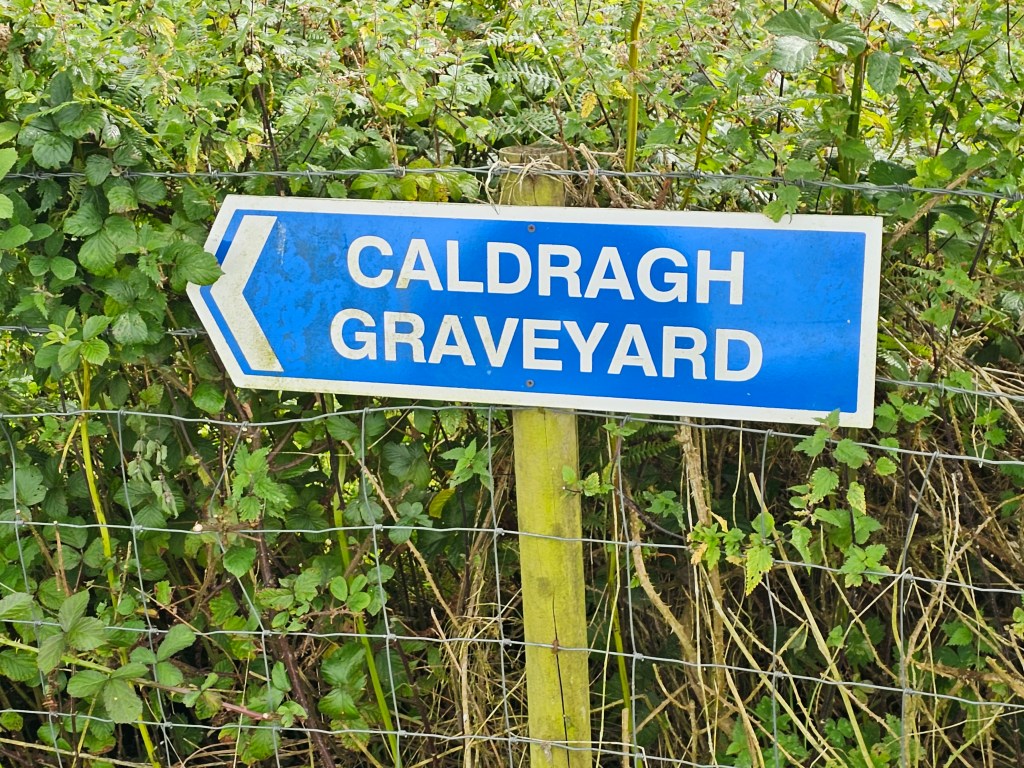
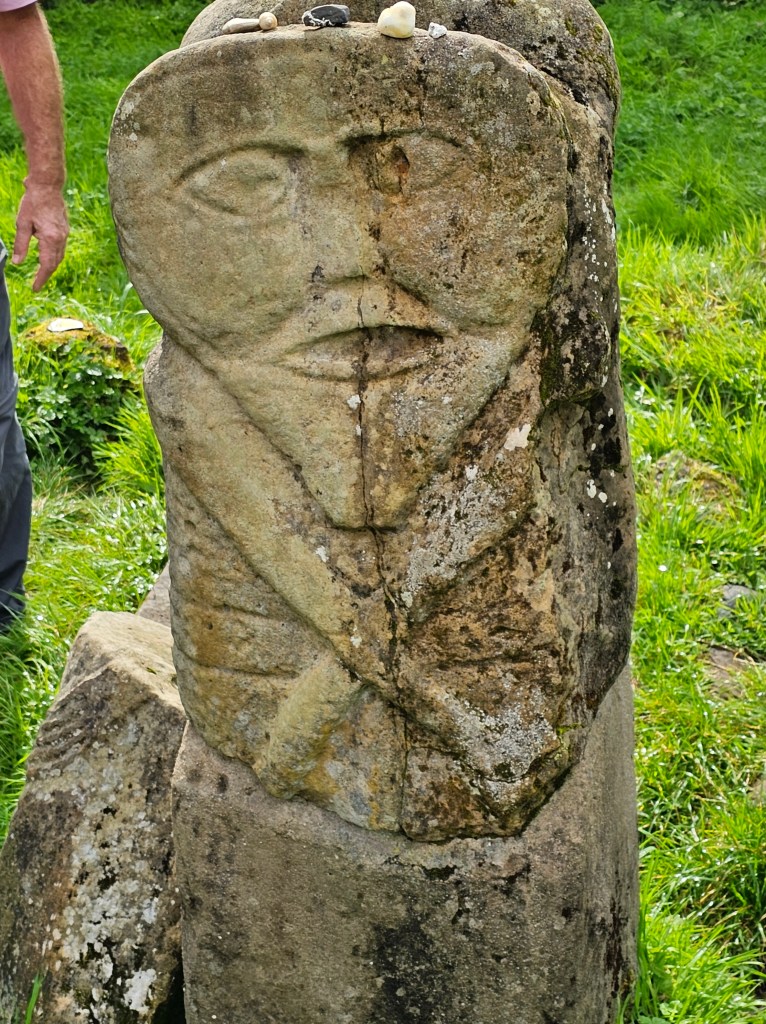

We next head east. A quick stop at an ancient graveyard. The Janus stone dates to pre-christian era while the other is a recent marker dating to 1810.
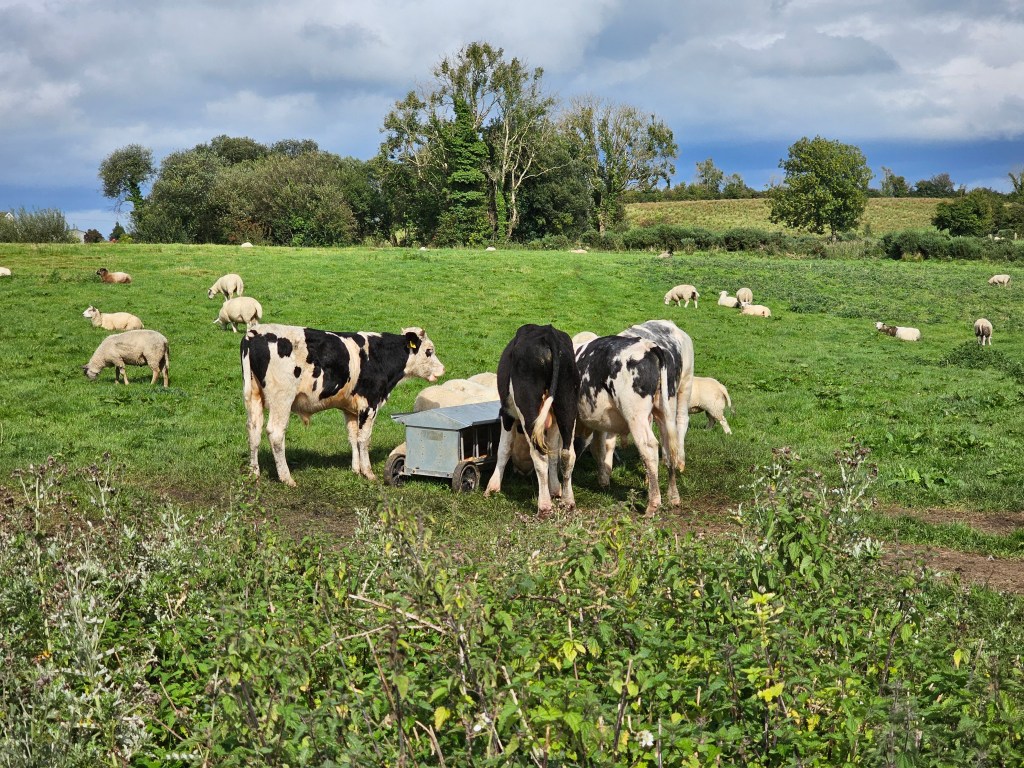
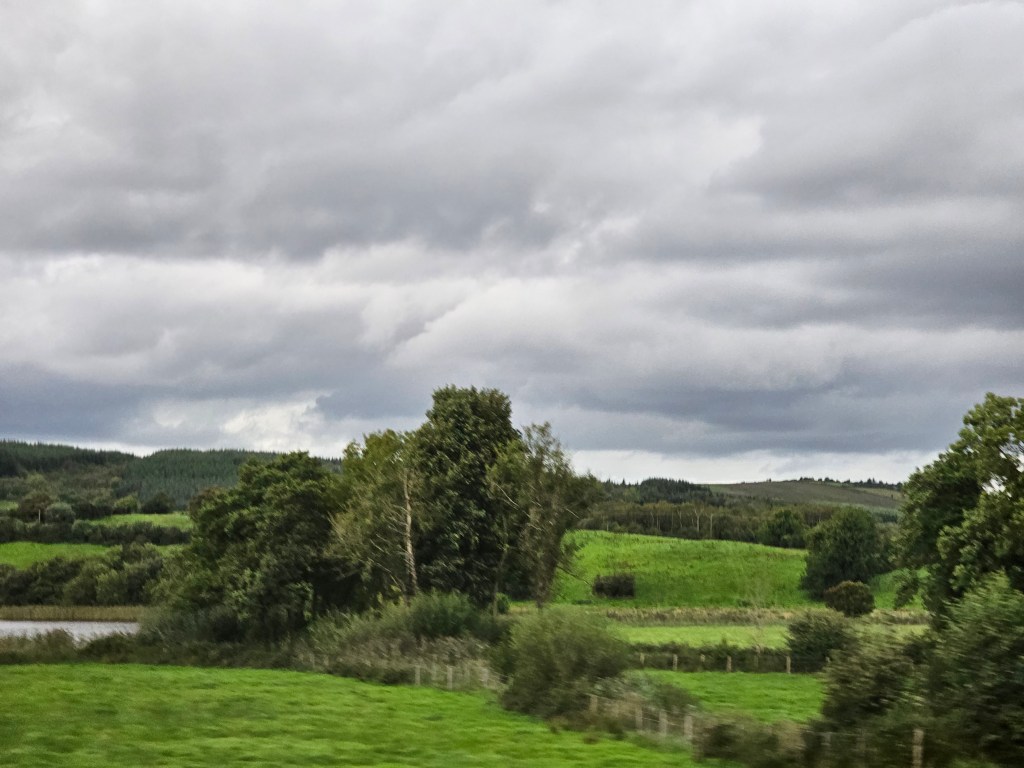
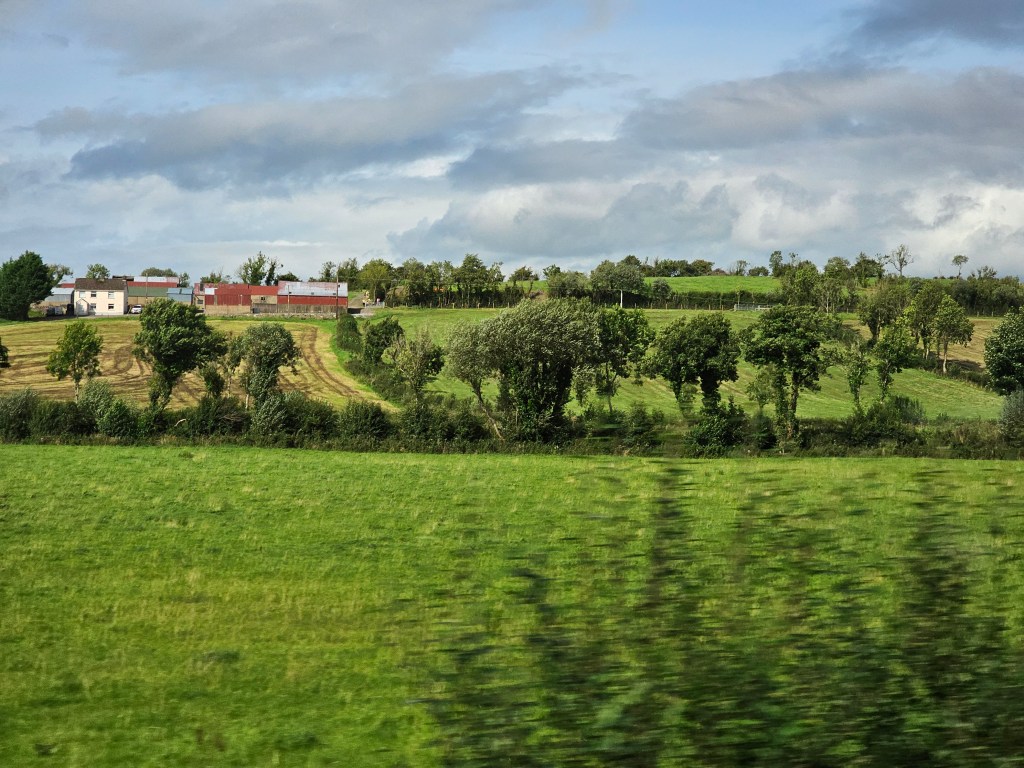
Then we are back on the road heading toward Dublin and typical scenes from the Irish countryside.
 Tom's Musings